Guide
What Cold Does to a Naperville Garage Door Spring
Naperville sits in a cold climate band with housing mostly built 1960-2003. Here's what that combination does to torsion springs and what to do when one breaks.
Local detail
What the Weather Here Does to It
Naperville sits in a cold moderate climate band, and that matters more for your garage door than most homeowners think. Steel torsion springs lose flexibility as the temperature drops. Metal contracts, the coil winds tighter than it was set for, and the extra tension pushes a spring that's already near the end of its cycle count past its limit. That's why the phone rings more on the first hard cold snap of the year than on any other day. It's not that cold weather breaks good springs. It's that cold weather finds the spring that was already close to done and finishes the job.
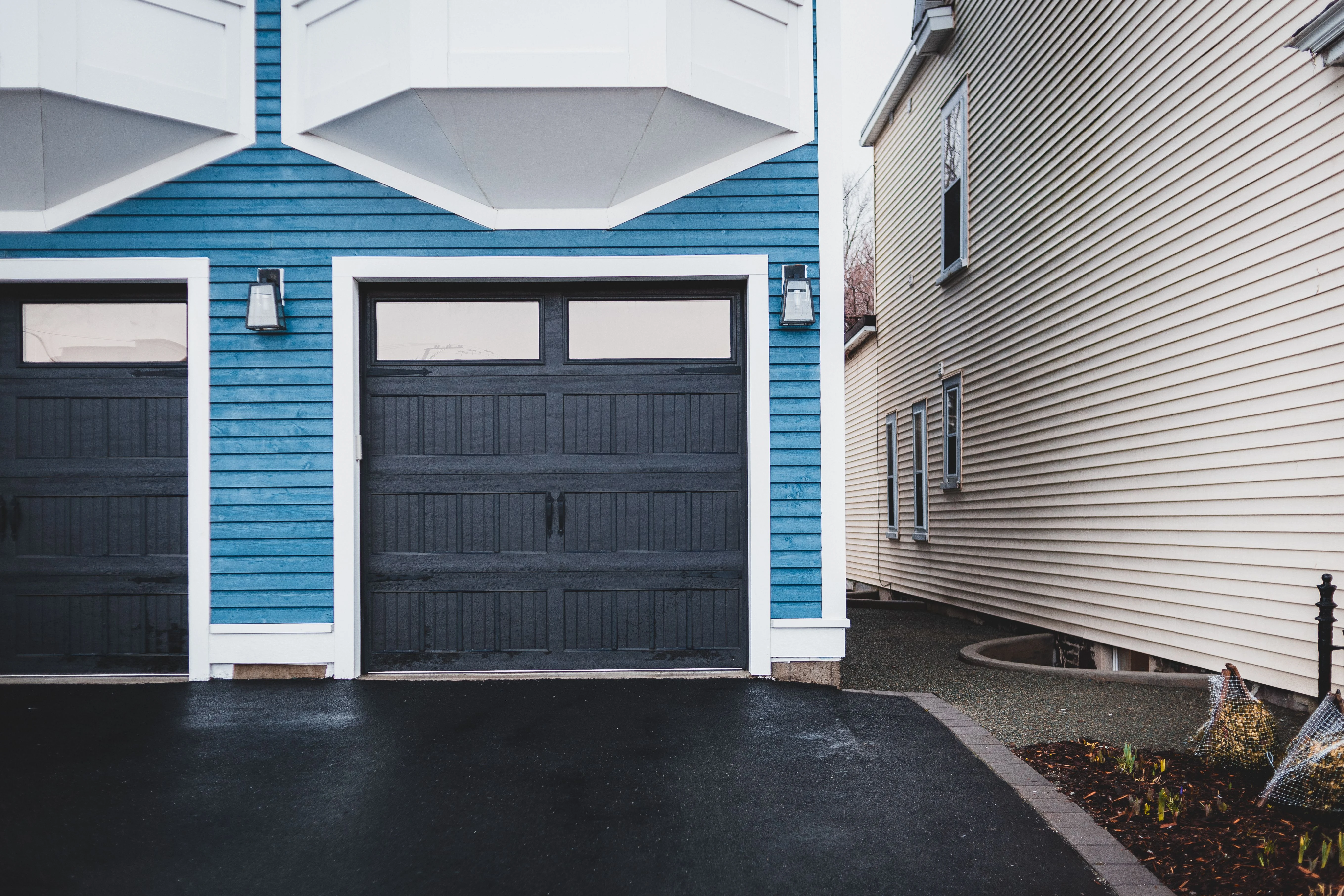
Houses in this area were built between 1938 and 2003, with most of the stock going up in the 1960s and 70s across the roughly 80 named subdivisions and areas that make up greater Naperville. A spring installed when a 1968 or 1972 house was built, or even one replaced during a remodel in the 80s or 90s, has had decades of cold Illinois winters to wear it down. Add in a spring nearing its rated cycle count and a cold morning, and you get the classic loud bang followed by a door that won't lift.
The fix isn't insulating your garage, which mostly just slows the temperature swing rather than stopping it. It's knowing your spring's age and not waiting for the cold to make the decision for you.
The area
When to Call Someone
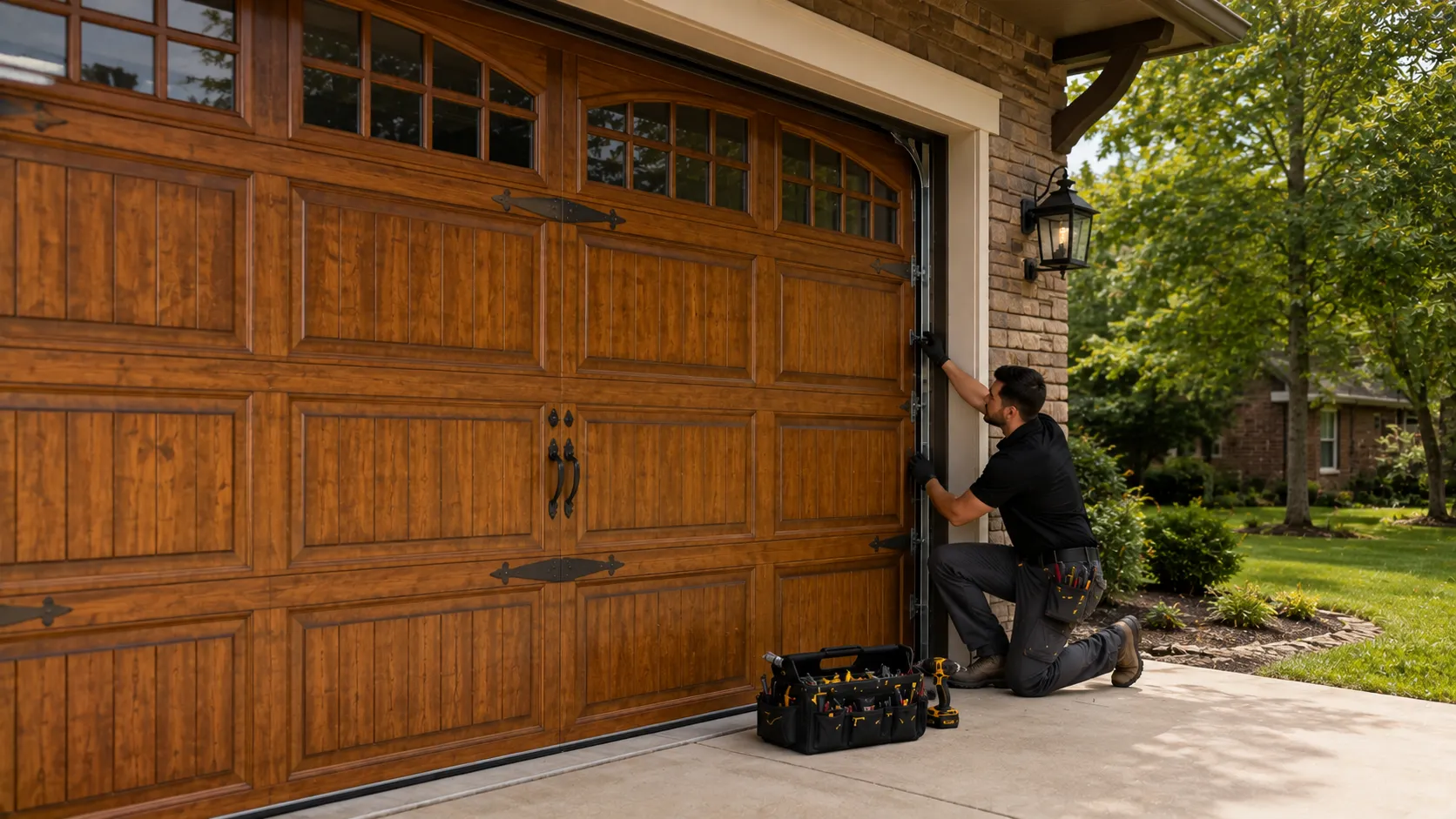
If your door won't budge and you hear that sharp bang from the garage, that's almost always a broken torsion spring, and it's not a DIY fix. The springs on a garage door hold enough tension to cause serious injury, and that risk doesn't change with the size of your house or the age of your spring.
Call right away if: the door won't open at all, one side of the door hangs lower than the other, or you can see a visible gap in the coil of the spring itself. Those are all signs the spring has already let go.
Call soon, not urgently, if: the door is noticeably harder to lift by hand, the opener strains and makes a grinding or straining noise before the door moves, or you hear a rhythmic creak on the way up. That's a spring on its way out, and in this climate, it tends to go on the coldest morning of the week, not the mildest.
One honest note: if you're not sure whether what you're hearing is the spring, the opener, or the track, don't guess by pulling the emergency release cord and trying to lift the door yourself in freezing weather. A door that's fighting you already has something wrong with it, and cold hands and a heavy door are a bad combination.
What we find
The Problem
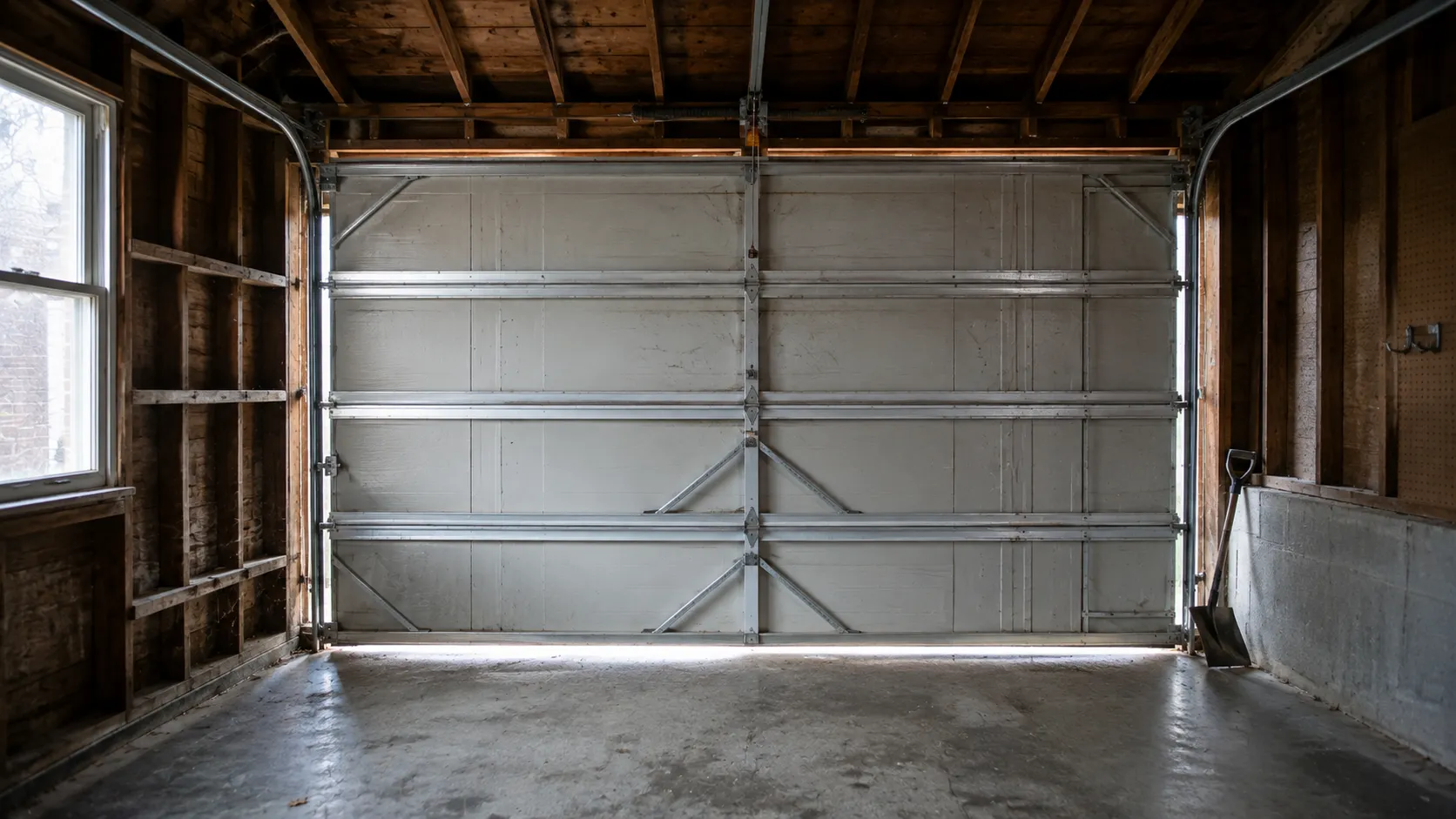
Most of the springs failing on Naperville calls right now are original or first-replacement springs on houses built in that 1960s-70s wave, or on the older end of the 1938-2003 range. A spring rated for a certain number of cycles doesn't care how many years have passed, only how many times the door has gone up and down, but cold weather adds stress that a cycle count alone doesn't capture. Cold steel is less forgiving steel.
The income and household numbers for the wider area, over 244,000 owner-occupied houses among nearly 489,000 households, tell you this isn't a niche problem. It's a volume problem tied to how much of the housing stock is now 20 to 60 years old and was never built with garage door hardware in mind that would outlast the house.
We don't stock every spring size on the truck for every job, and if your door uses an odd or older wind pattern, that can mean a short wait on the part rather than a same-visit fix. That's the honest limit here: we'd rather tell you that up front than promise a fix we can't deliver that day.
How we work
Where People Go Wrong
The most common mistake isn't ignoring a bad spring, it's replacing only the one that broke. Torsion springs are almost always installed in pairs, and if one has failed from age and cold-weather stress, the other one is on the same clock. It didn't break yet, but it's carrying the same cycle count and the same decades of winters.
The second mistake is treating a cold-weather spring failure as a one-time bad luck event instead of what it usually is: a part that was already near the end of its life, finished off by a cold morning. If your house falls into that 1960s-70s wave that makes up most of Naperville's stock, and you haven't had the spring looked at since it was installed, cold weather isn't the cause. It's just the trigger.
The third is waiting until the door won't open at all before calling. A door that's straining, creaking, or closing unevenly is telling you something before it fails completely, and catching it before a hard freeze is easier than catching it after.
Questions
Common questions
Why does my garage door spring always seem to break in the cold?
Cold steel is less flexible, and Naperville's cold moderate climate band means real temperature swings each winter. A spring that's already near the end of its rated cycles gets pushed past its limit when the coil tightens in the cold. The cold doesn't cause the failure on its own, it finds the spring that was already close to done.
How old are most garage door springs in Naperville houses?
Housing in the area was built between 1938 and 2003, with most homes going up in the 1960s and 70s. That means a lot of original or first-replacement springs are now decades old and have been through many cold-weather cycles, which is why failures cluster in the coldest weeks.
Should I replace both springs if only one breaks?
Torsion springs are installed in pairs and wear on the same schedule. If one failed from age and cold stress, the other has the same cycle count and history. Replacing just the broken one usually means a second call, often on another cold morning, when the matching spring gives out too.
Can I open the door myself if the spring breaks in freezing weather?
You can use the emergency release, but a door with a broken spring is very heavy and unbalanced, and cold hands make it worse. If you're not sure whether it's the spring or something else, it's safer to leave the door as-is and call rather than force it open.
Ready when you are
Need a garage door sorted in Naperville?
Naperville Garage Door Pros repairs and installs garage doors, springs and openers in Naperville, IL and the surrounding area.