Boulder Hill, Naperville IL
Garage Door Service for Boulder Hill Homes
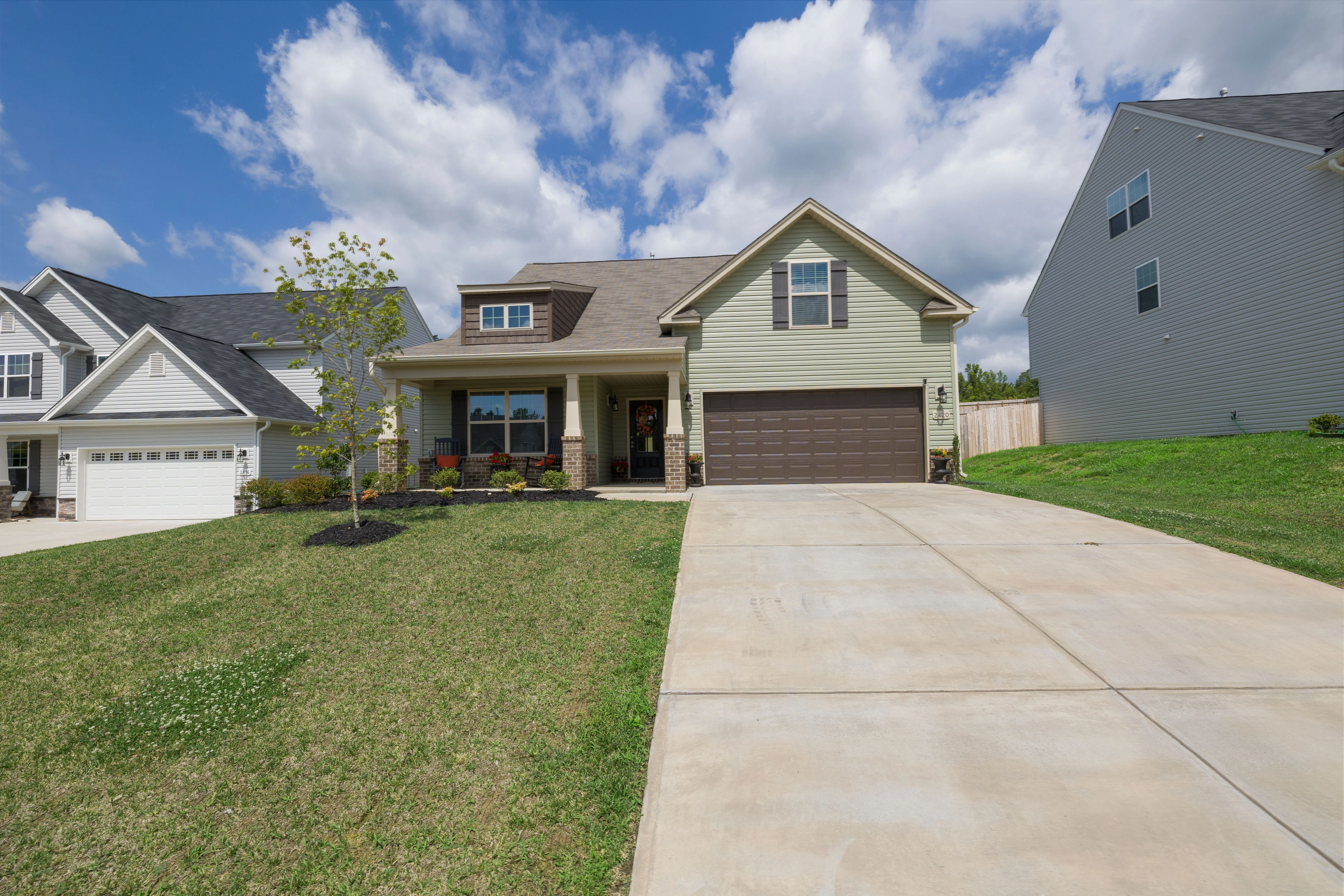
Boulder Hill homes mostly date to 1970, a few years ahead of the wider area's 1976 median. That gap shows up in the spring hardware and openers we find on service calls here.
Local detail
What Was Built Here
Boulder Hill's housing stock centers on 1970, a bit earlier than the 1976 median across the wider Naperville service area. That six-year gap sounds small until you're standing in front of the hardware. Homes built right around 1970 sit at the front edge of the 1960s-70s wave that makes up most of the area's stock, which means more of the doors we see out here are original installs or first-generation replacements rather than the newer builds that show up closer to the 2003 end of the region's range. A 1970 house has had roughly five decades of Illinois winters working on its garage door track and spring anchor points, and that's a lot of freeze-thaw cycles on the same steel.
With about 3,000 households in Boulder Hill, this isn't a huge pocket, but it's a consistent one - the build years cluster tightly enough that once we've worked on a few doors on a block, we generally know what we're walking into on the next one. That's different from a subdivision with mixed decades where every house is a surprise.
The area
What That Means for Doors
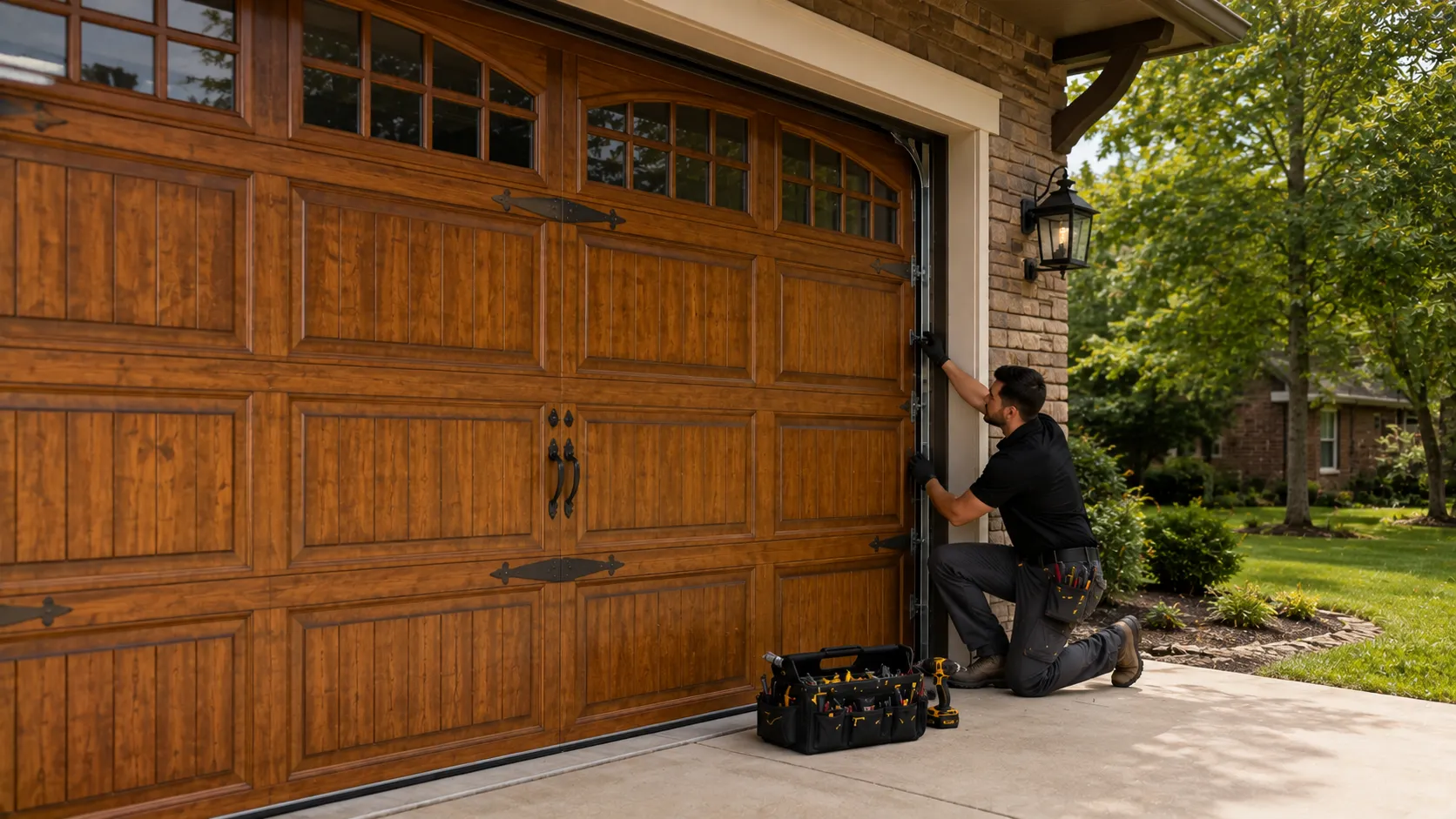
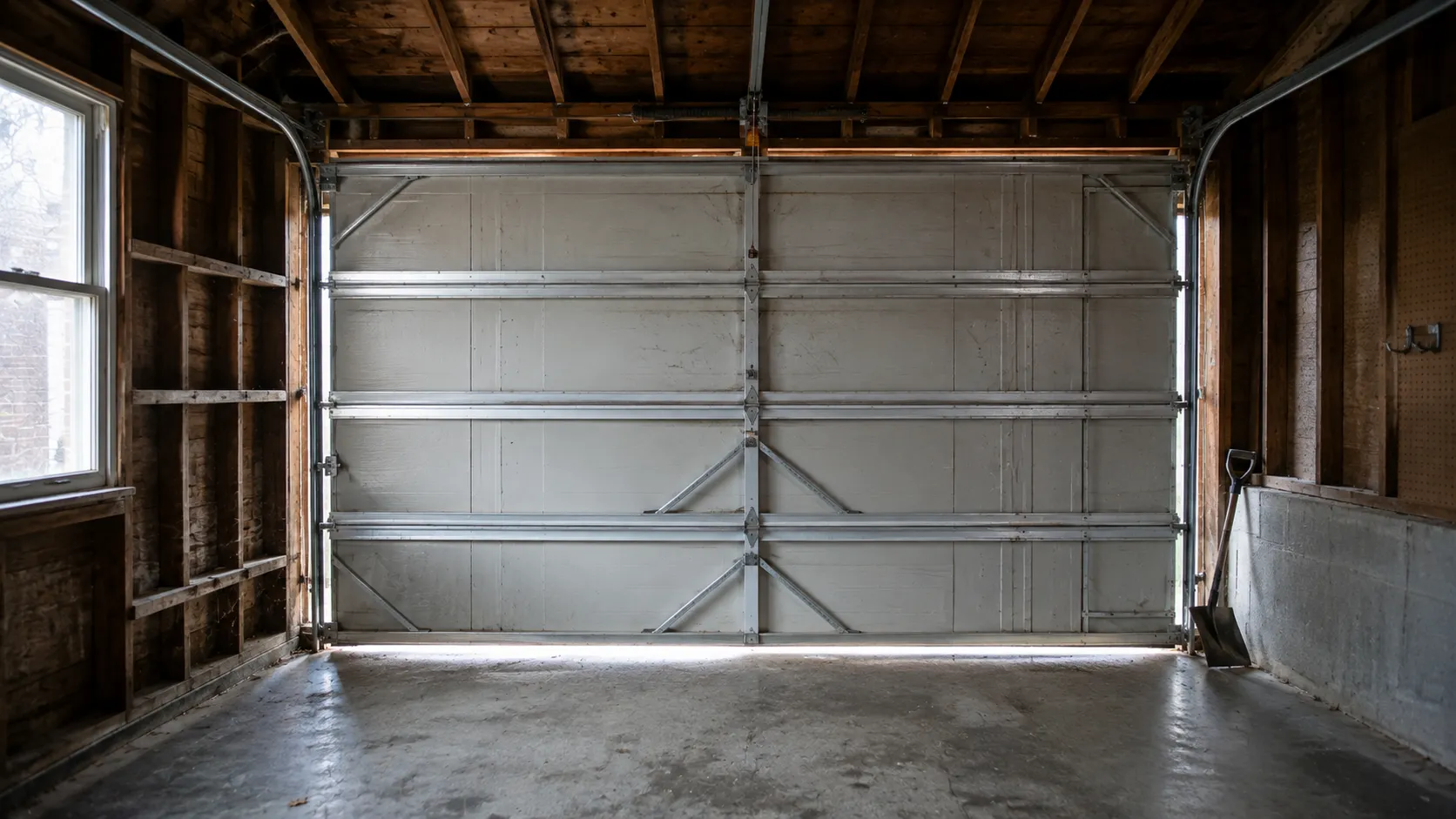
A door installed around 1970 usually means an extension spring setup or an early torsion conversion, not the standardized torsion systems that came standard on later builds. The steel gauge on doors from this era also tends to run heavier and the panel sections narrower, so replacement panels from a big-box store don't always match without some fitting work. Openers from this vintage, if they haven't already been swapped once, are chain-drive units with none of the safety reversal sensors that became mandatory later - if your opener still has no photo-eye sensors near the floor, it predates 1993 federal requirements and is worth replacing on safety grounds alone, not just convenience.
The area sits in a cold-moderate climate band, and steel that's been through fifty-plus winters of contraction and expansion is more likely to have hairline stress at the weld points where the track brackets meet the jamb. That's not a doom-and-gloom prediction, just a pattern we watch for on doors this age. One honest limit here: if a door's track is bent from decades of settling rather than a single impact, straightening it is often a losing bet - replacing the track is usually cheaper than fighting a warped rail twice.
What we find
How We Get to You
We run out of Naperville, about 9 miles from Boulder Hill, so there's no depot or drop-in storefront in the neighborhood itself - a technician drives out from our home base for every call. That distance is short enough that it doesn't change how we schedule the day, but it does mean we're not idling around the corner waiting for a call; the truck comes from Naperville each time.
Boulder Hill sits among a cluster of nearby communities we also reach at similar distances - Lisle and Warrenville are each about 5 miles out, Woodridge is 6, and Winfield and Darien both sit around 9 miles, same as Boulder Hill. We mention that only to be straight about how the coverage works: it's a radius drawn from one shop, not a network of local offices.
How we work
What People Here Ring About
With household incomes in Boulder Hill running around $76,935 - noticeably below the $99,525 median for the wider service area - a lot of calls here are about getting a working door back in service rather than a full replacement. That shapes the conversation: more spring swaps and roller/cable repairs on the original door, fewer straight-to-replacement jobs. It's not a knock on the neighborhood, it's just what the numbers say about how people here tend to spend on a repair versus a rebuild.
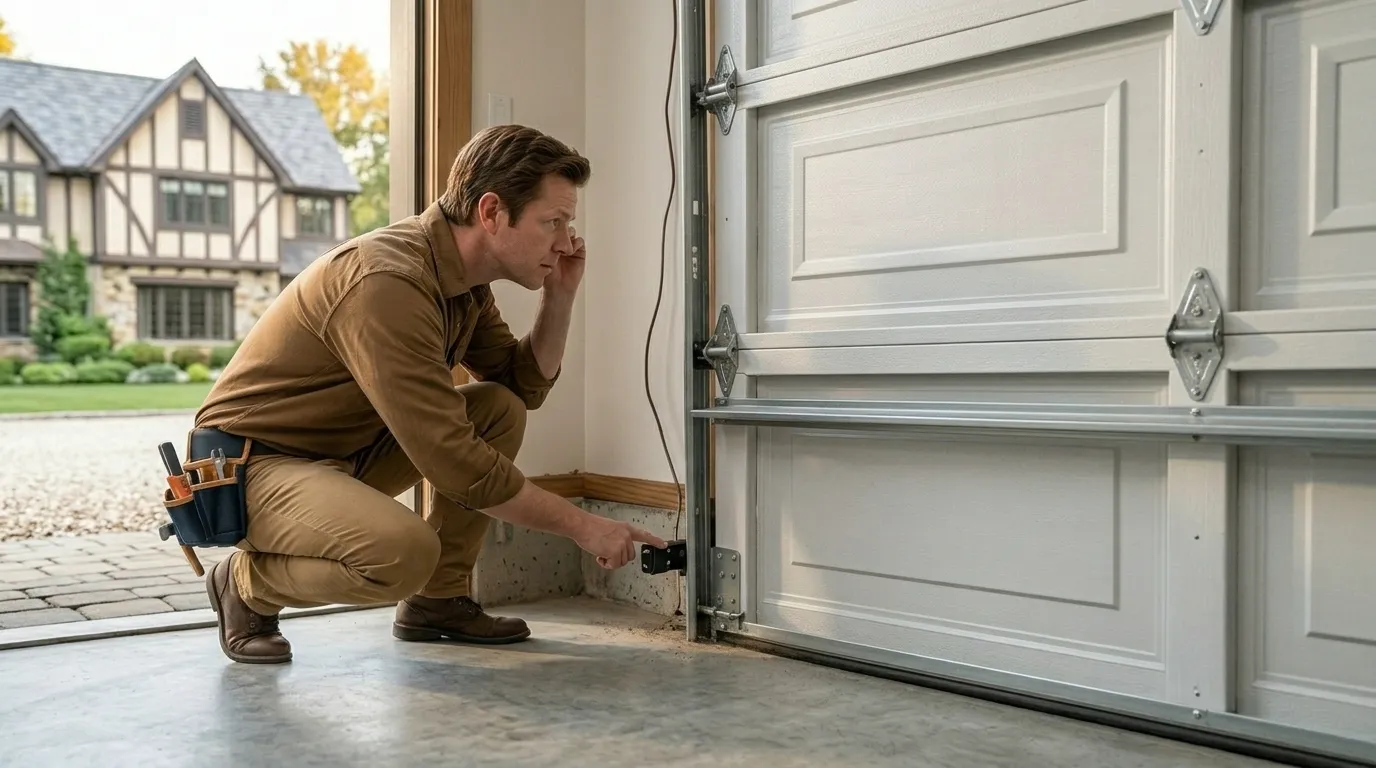
Given the 1970 build cluster, the most common calls are broken extension springs, chain-drive openers that have stopped reversing properly, and tracks that have drifted out of alignment after years of settling. We also get calls about panels that have rusted through at the bottom where sprinklers or snow melt sit against the steel - a slower failure than a snapped spring, but one that shows up a lot on doors this age.
Service areas
Other areas we cover near Boulder Hill
Questions
Common questions
Do you have a shop or crew based in Boulder Hill?
No. We work out of Naperville, about 9 miles away, and drive a truck out for each Boulder Hill call. There's no local depot here, just a consistent service radius from our home base.
Why does my 1970s garage door keep breaking?
Doors from this era usually run extension springs or early torsion setups that have been through fifty-plus years of temperature swings. The steel and weld points have more fatigue than a door installed in the last two decades, so springs, rollers and cables wear out faster and more often.
Should I replace my whole door or just fix the spring?
Depends on the door. A snapped spring alone doesn't mean the door is done, and many original 1970-era doors still have solid panels worth keeping. But if the track is warped from long-term settling rather than a single hit, replacing the track usually costs less than trying to straighten it twice.
Is my old opener safe?
If your opener has no photo-eye sensors near the floor, it likely predates the 1993 federal safety-reversal requirement. That's a real safety gap, not just an inconvenience, and it's worth addressing regardless of whether the door itself still works.
Ready when you are
Need a garage door sorted in Naperville?
Naperville Garage Door Pros repairs and installs garage doors, springs and openers in Naperville, IL and the surrounding area.