
Guide
Weather Seals and Draughts on Naperville Garage Doors
Naperville homes built mostly in the 1960s-70s lose seal integrity fast in this cold climate. Here's what draughts under an old garage door actually mean and when to call.
Local detail
What the Weather Here Does to It
Naperville sits in a cold-moderate climate band, which means the bottom seal on your garage door goes through real freeze-thaw cycling every winter, not just a cold snap or two. The rubber gasket that sits in the aluminum retainer track hardens and cracks after enough seasons of that swing, and once it cracks, cold air and meltwater find the gap under the door.
Most of the housing stock around here dates from 1938 to 2003, with the median build year at 1976 and the bulk of it going up in the 1960s and 70s across the roughly 80 named subdivisions in this area. A door and its seal installed with a house built in that window has likely been replaced once already, sometimes with a seal that doesn't match the original track profile. That mismatch is where you get draughts that seem to come from nowhere - the seal looks fine standing in the driveway but doesn't compress evenly against a slab that's shifted a little since 1976.
On older tracks, the seal also sits lower than modern astragal seals are designed for, so a universal replacement bought off a shelf can leave a visible gap at the corners even when it's brand new. That's a fit problem, not a material problem, and it's specific to houses this age.
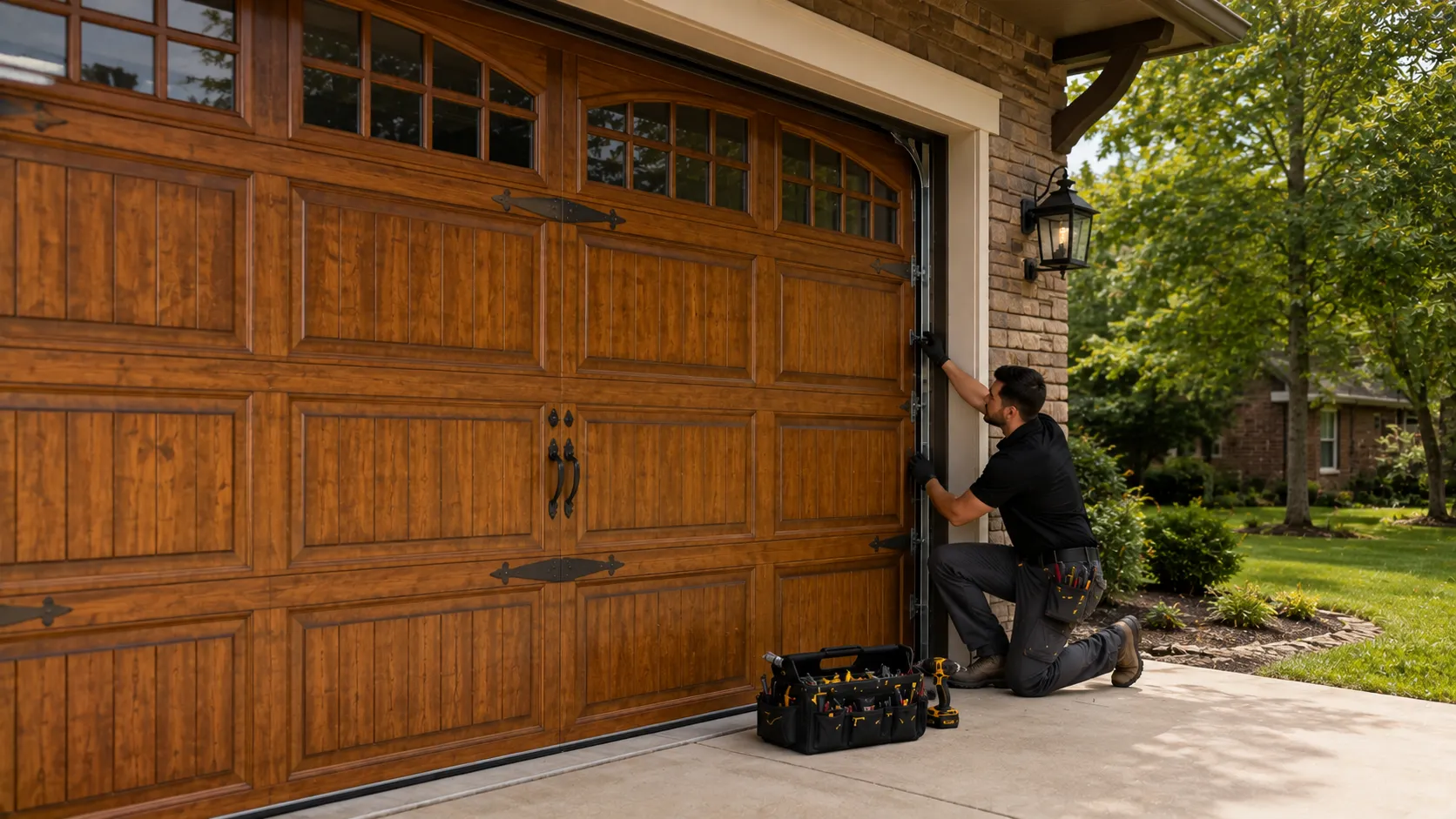
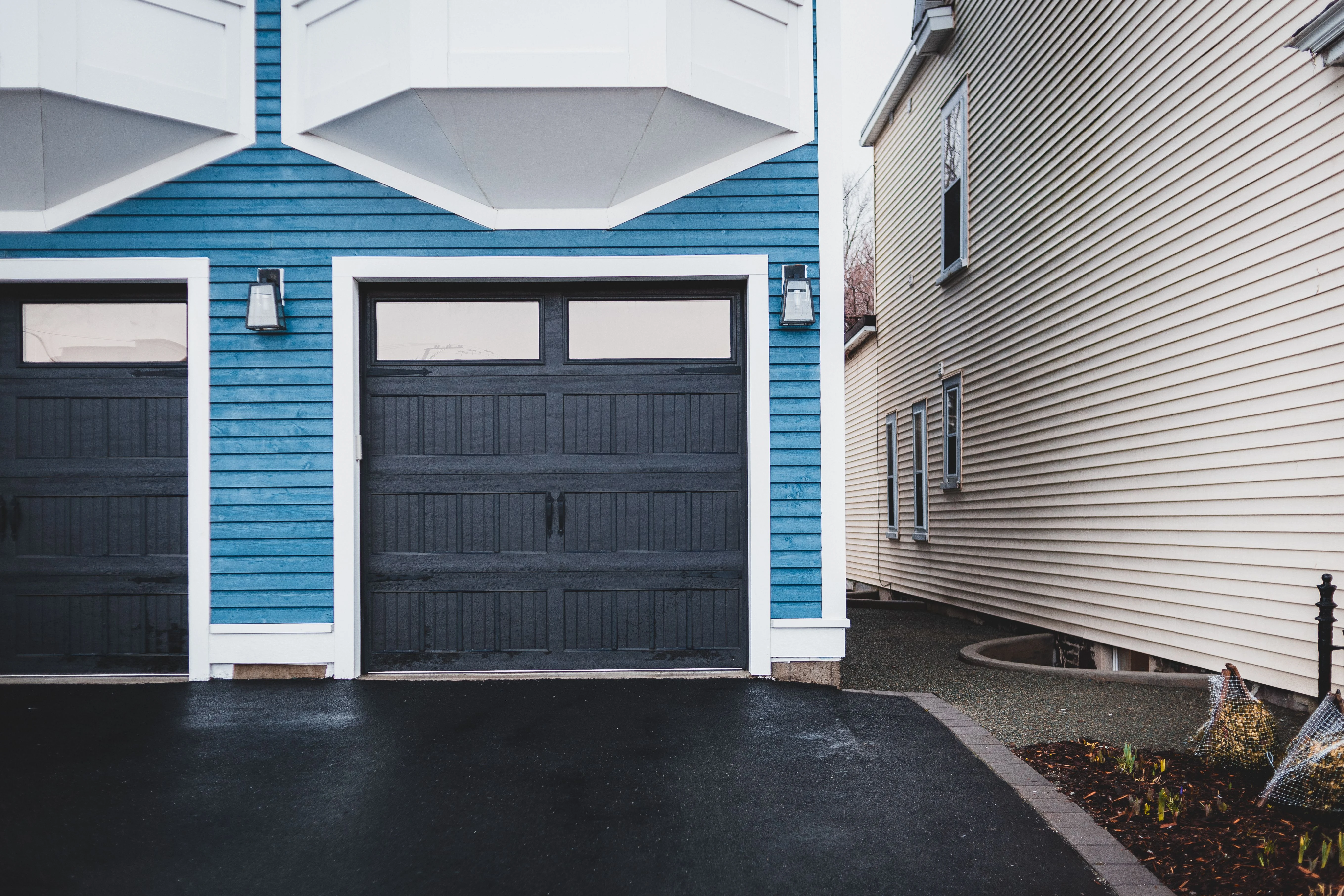
The area
When to Call Someone
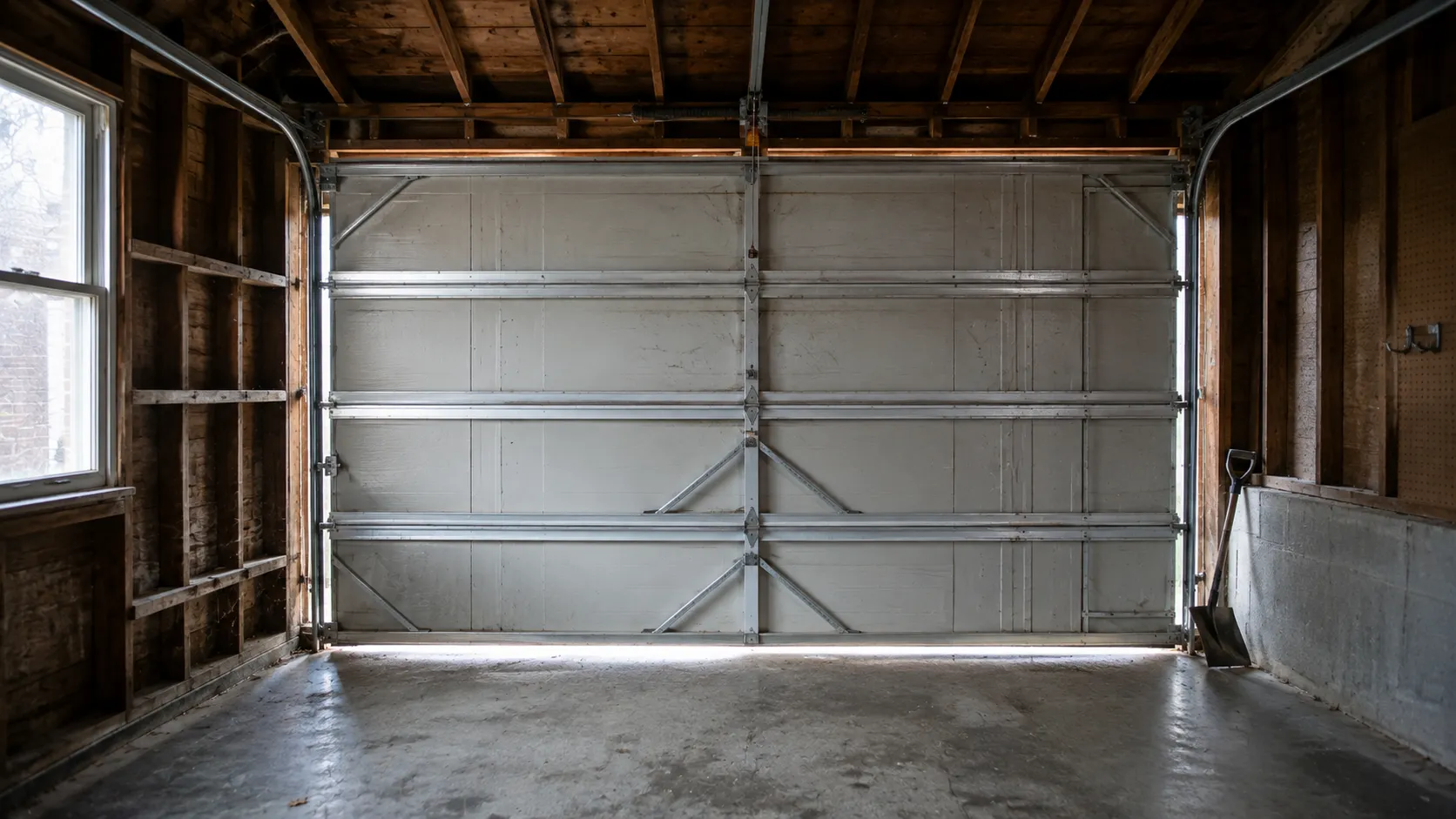
Call if you can see daylight under the door at the corners after a fresh seal replacement - that's a track fit issue, not something more caulk will fix. Call if the draught is worse on one side of the door than the other, which usually means the slab has settled unevenly, common enough in homes from the 1960s-70s era where the original pour wasn't always level to begin with.
Call if you notice frost forming on the inside of the door itself in the coldest stretches of winter. That's not a seal problem at all - it's a sign the door panel has no insulation value, which tracks for original doors from the 1938-2003 build range that predate insulated steel construction becoming standard.
You don't need to call for a seal that's just a little stiff in January and softens back up by March. That's normal behavior for rubber in a cold-moderate climate, and replacing it every year because it feels hard in the cold is money you don't need to spend.
What we find
The Problem
The core issue is that a lot of these doors were installed, or last resealed, on hardware and track dimensions that were standard decades ago and aren't standard now. When a homeowner in a house from the 1976 median build year replaces a worn seal with whatever's stocked at a hardware store, the new seal is often sized for current track profiles, not the older ones still on the door. It goes in, looks sealed, and still lets air through because the compression isn't right.
This is worse in houses that have had the original door replaced but kept the original track and jamb, which happens a lot in the older pockets of this housing stock. The new door doesn't quite match the old opening, and no seal, however good, fixes a geometry mismatch.
I'll say plainly: a seal replacement is a cheap fix and it's the right first move, but if the draught keeps coming back on the same door within a season, the seal was never the actual problem. That's worth knowing before you buy a third one.
How we work
Where People Go Wrong
The most common mistake is treating every draught as a seal problem when the door panel itself, especially on the older end of the 1938-2003 range, has no insulation and never will regardless of what's sealing its edges. Foam board or a insulation kit changes that; a new bottom seal doesn't.
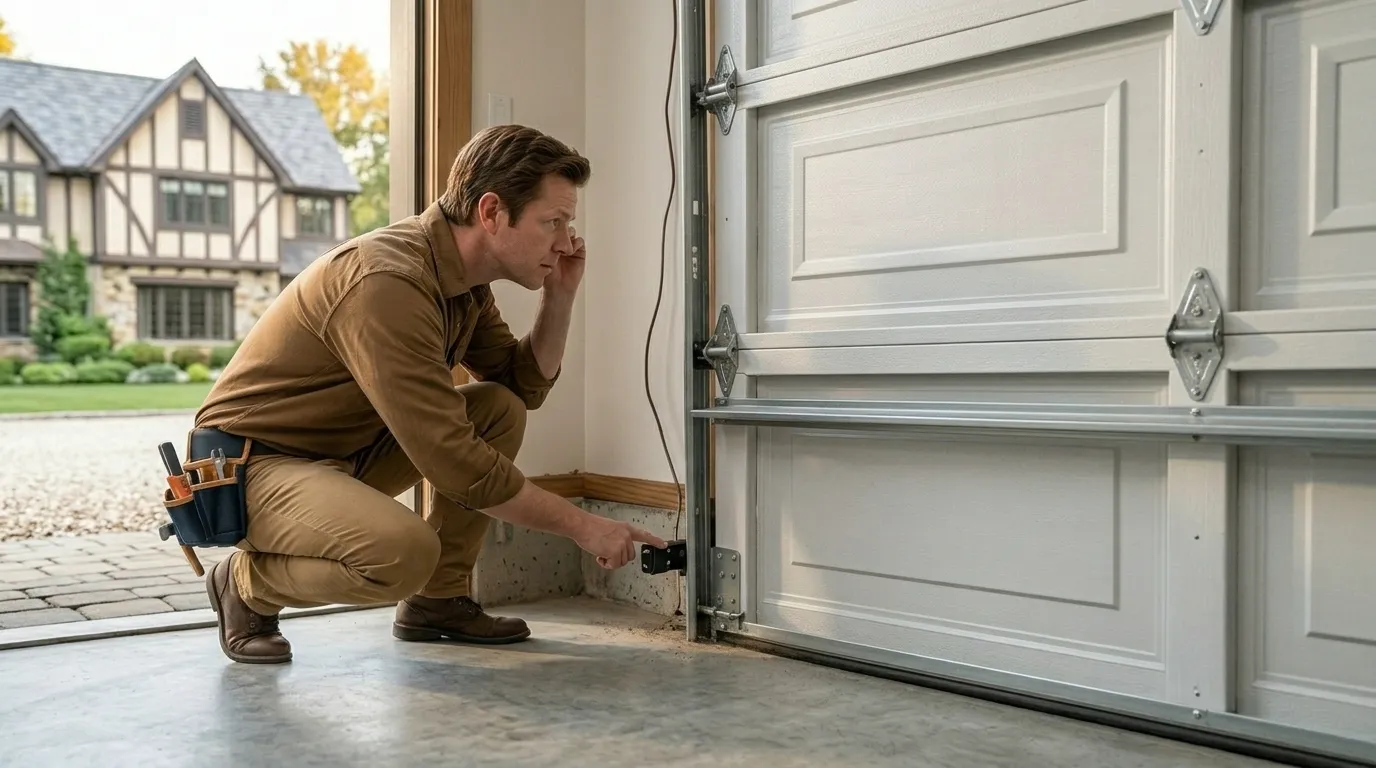
The second mistake is buying a universal seal without checking the retainer track width first. Tracks vary enough across this housing stock's decades that a seal bought by size alone can sit loose and never compress fully, which shows up as a draught that's intermittent rather than constant - worse on windy days, barely noticeable on calm ones.
The third is ignoring the top and side seals in favor of just the bottom. On a lot of these older installs, the side seal was never upgraded past the original thin vinyl strip, and that's often where more cold air comes through than the bottom ever does.
Questions
Common questions
Why does my garage door still let in cold air after I replaced the bottom seal?
On houses from the 1960s-70s stock common here, the track profile often doesn't match a standard replacement seal's compression depth. The seal can look installed correctly but not seat tight against the slab, especially at the corners, letting draughts through even though the rubber itself is brand new.
Is a draughty garage door a sign I need a whole new door?
Not usually just from a draught. If the panel itself has no insulation, which is common on original doors from the 1938-2003 build range, sealing alone won't fix the cold. An insulation kit can help before you jump to full replacement, unless the door has other problems too.
How often should I expect to replace the bottom seal in this climate?
There's no fixed schedule in the facts I can point you to, but a cold-moderate climate with real freeze-thaw cycling each winter is hard on rubber seals generally. If yours is visibly cracked or flattened, that's the sign to replace it, not the calendar.
Ready when you are
Need a garage door sorted in Naperville?
Naperville Garage Door Pros repairs and installs garage doors, springs and openers in Naperville, IL and the surrounding area.