Naperville, IL
Garage Door Service for Naperville's Older Housing Stock
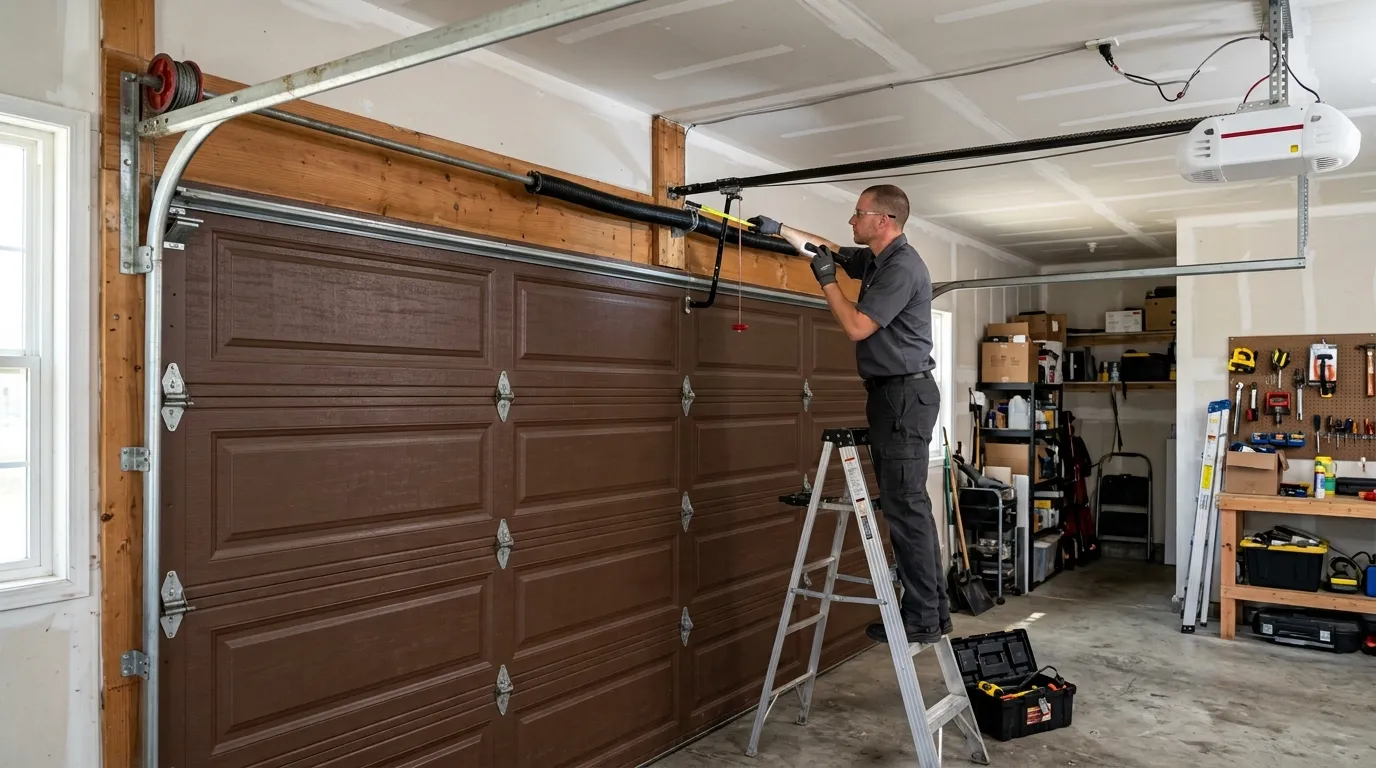
Naperville homes built between 1938 and 2003 carry hardware that ages differently than newer builds. We service springs, openers, and tracks built for that stock.
What we do
Garage door work in Naperville
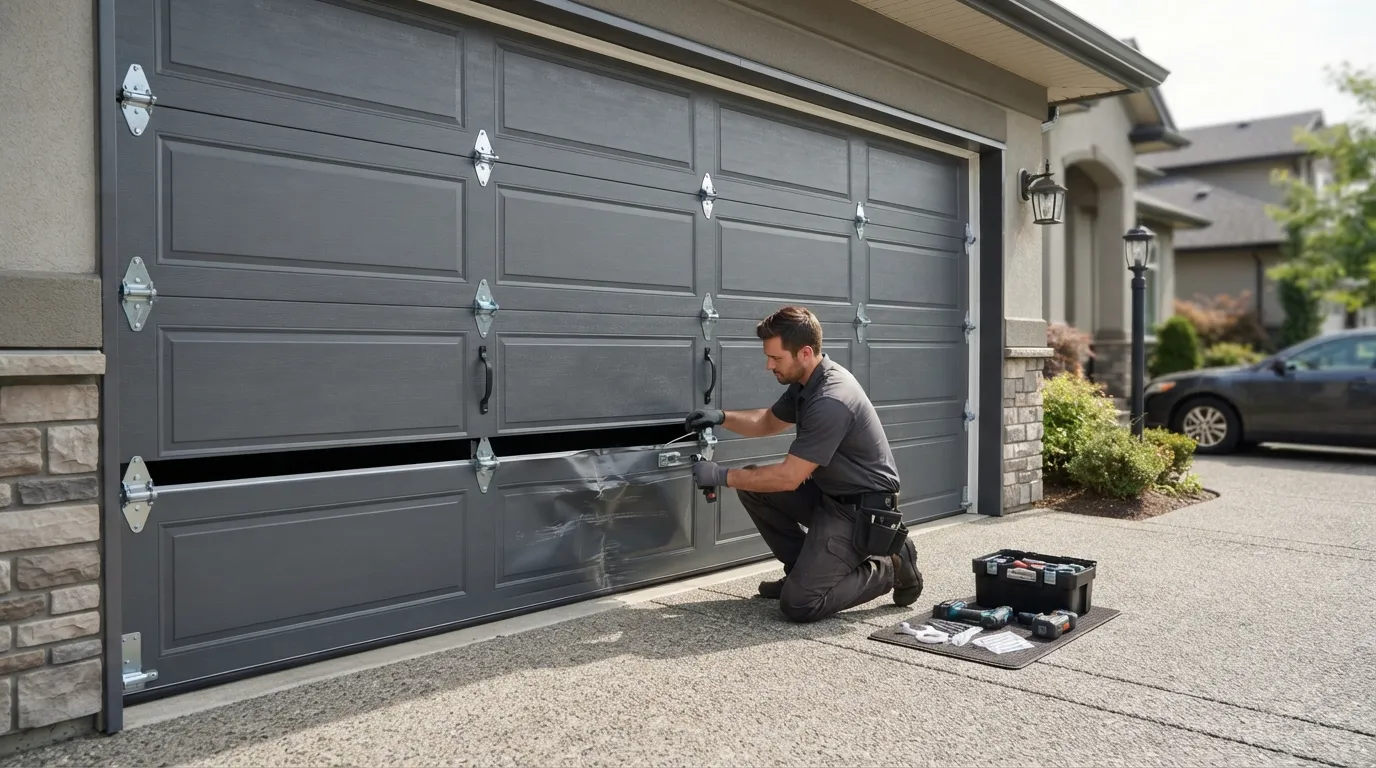
When Naperville Garage Doors Break: Repair Facts First
Homes here date mostly 1960s-70s, with originals back to 1938. Learn more →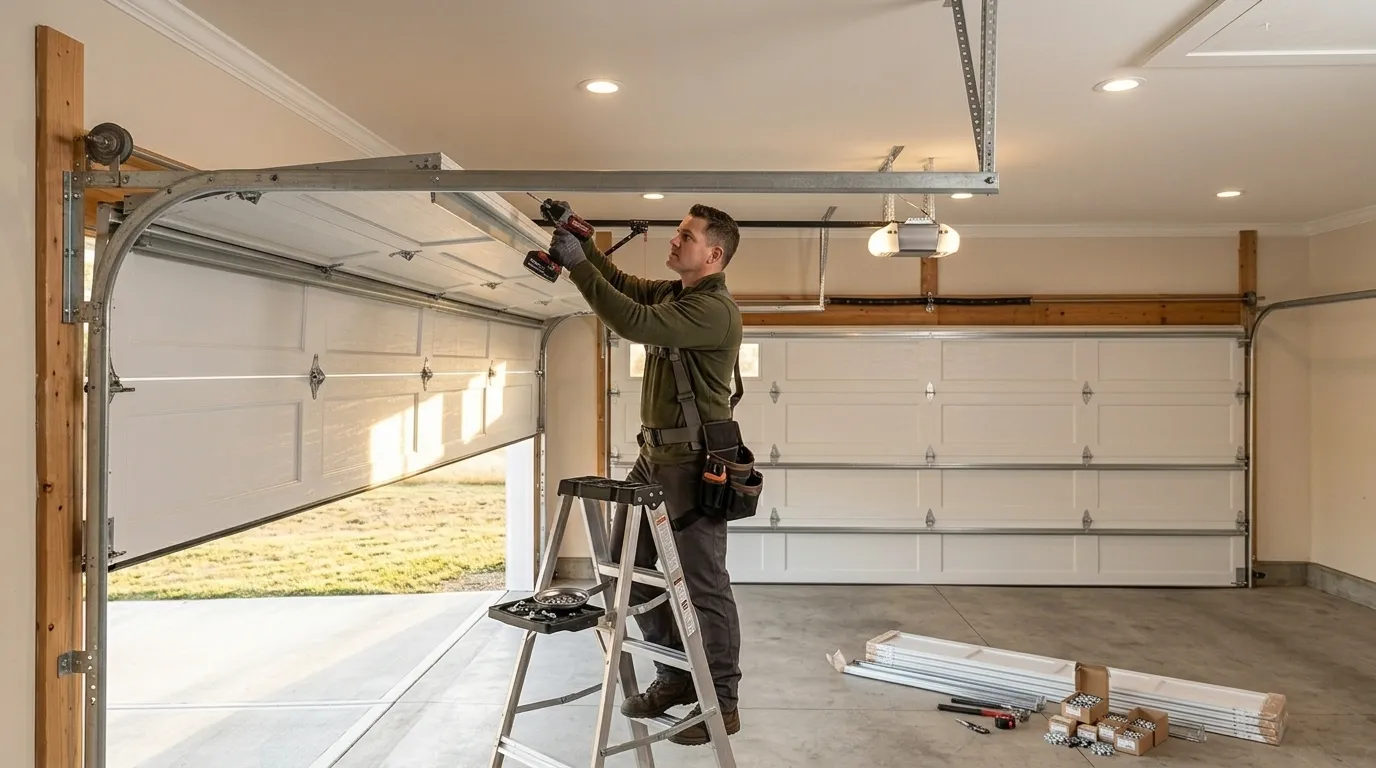
Installing a Garage Door That Fits a Naperville Home
New garage door installation for Naperville homes built between 1938 and 2003, matched to our region's cold winters and the load specs older openings need. Learn more →Local detail
What Causes It Around Here
Most of the trouble we see traces back to the age of the house, not bad luck. Naperville housing runs from 1938 to 2003, with the median build year sitting at 1976, and a lot of the surrounding stock across the wider area dates to the 1960s and 70s. That means a huge share of doors in town are on their second or third opener and original torsion springs that were never rated for the cycle count they've now put in.
Cold is the other half of it. This area sits in a moderate-cold climate band, which means steel contracts and expands through a real winter, not a mild one. Torsion springs lose tension faster in repeated cold snaps, nylon rollers crack instead of wearing evenly, and steel tracks pull loose at the brackets when a slab shifts with the frost. None of that is dramatic on its own, but it stacks up on a 1976-vintage door faster than it would on something built in the last ten years.
We also see a fair number of openers that were swapped once in the 80s or 90s but never paired with newer safety sensors, which is its own kind of service call. The fix isn't always full replacement - a lot of the time it's a spring, a set of rollers, or a track realignment. But if we're out at your place and the door is closer to 1938 than to 2003, we'll tell you honestly what's worth fixing and what isn't.
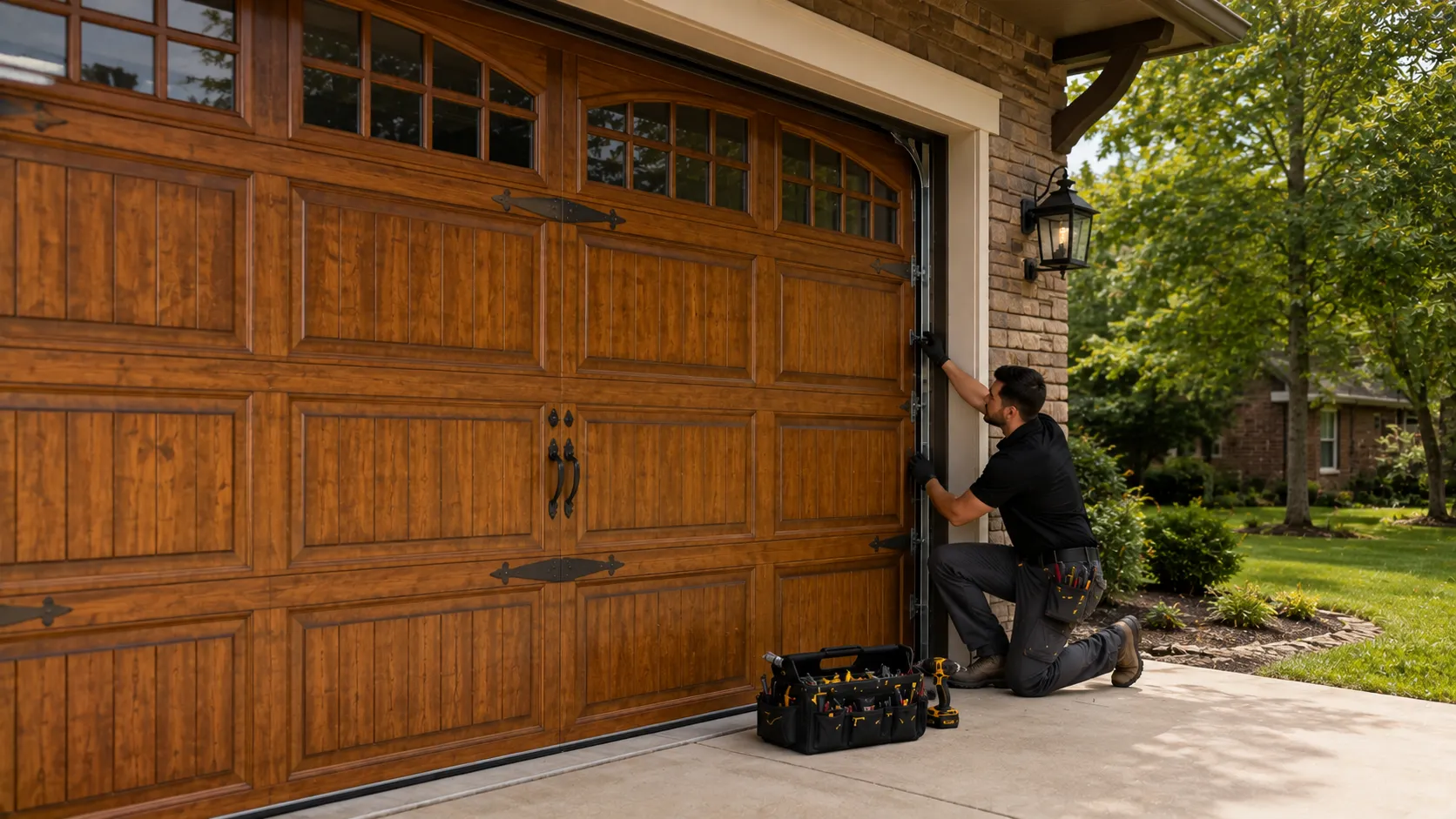
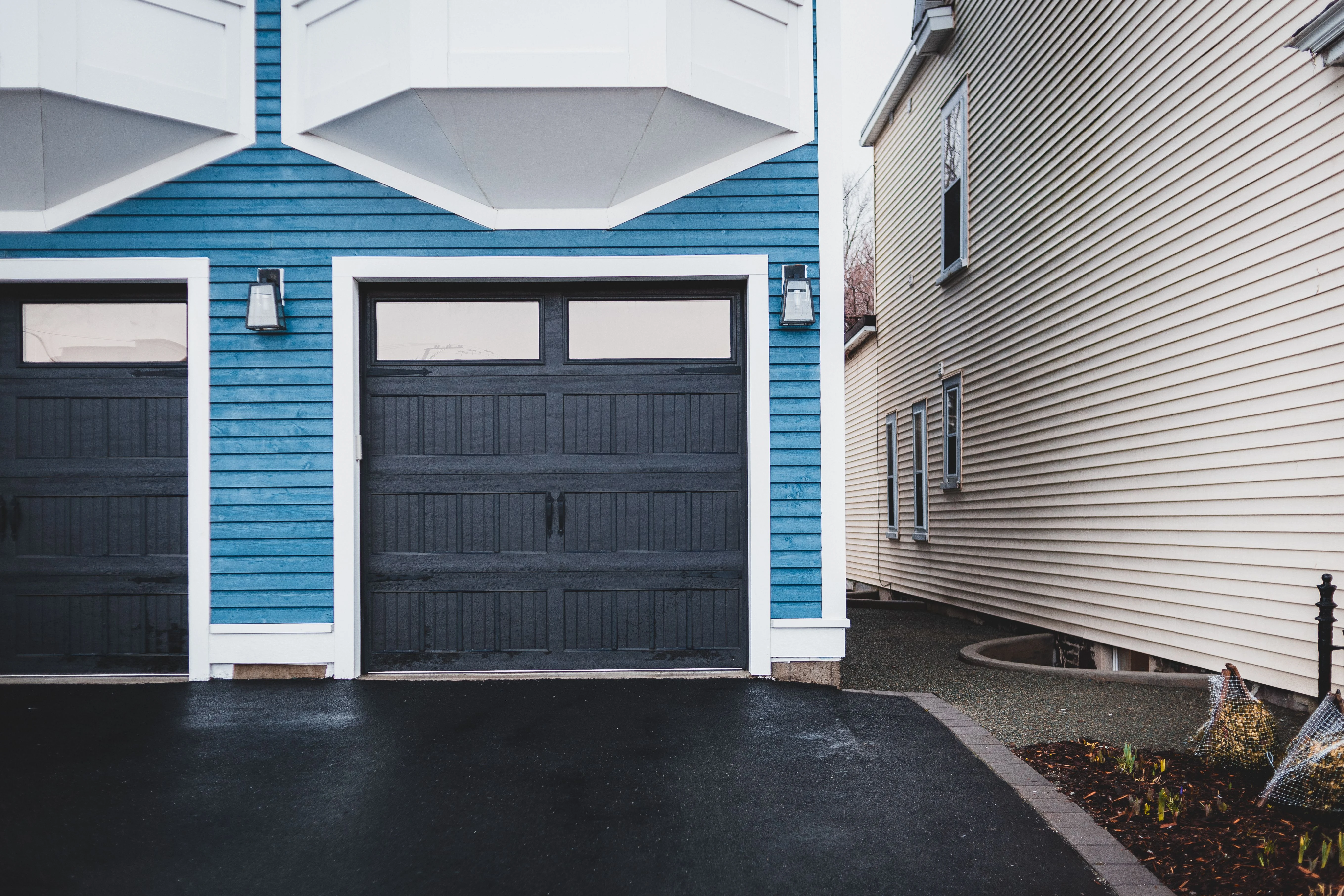
The area
Booking a Visit
Call or use the site to get on the schedule. Tell us the age of the house if you know it - a door on a 1976-built home behaves differently than one on a house finished in 2001, and knowing which one we're walking into lets us bring the right springs and rollers the first time instead of a second trip.
We work Naperville and the towns close by - Lisle, Warrenville, Woodridge, and out to Winfield and Batavia. If you're closer to Oak Brook or Hinsdale, we still come, it's just a longer drive. Same-day isn't something we promise here since we don't have a documented response window to point to, but we'll tell you honestly where you land in the queue when you call.
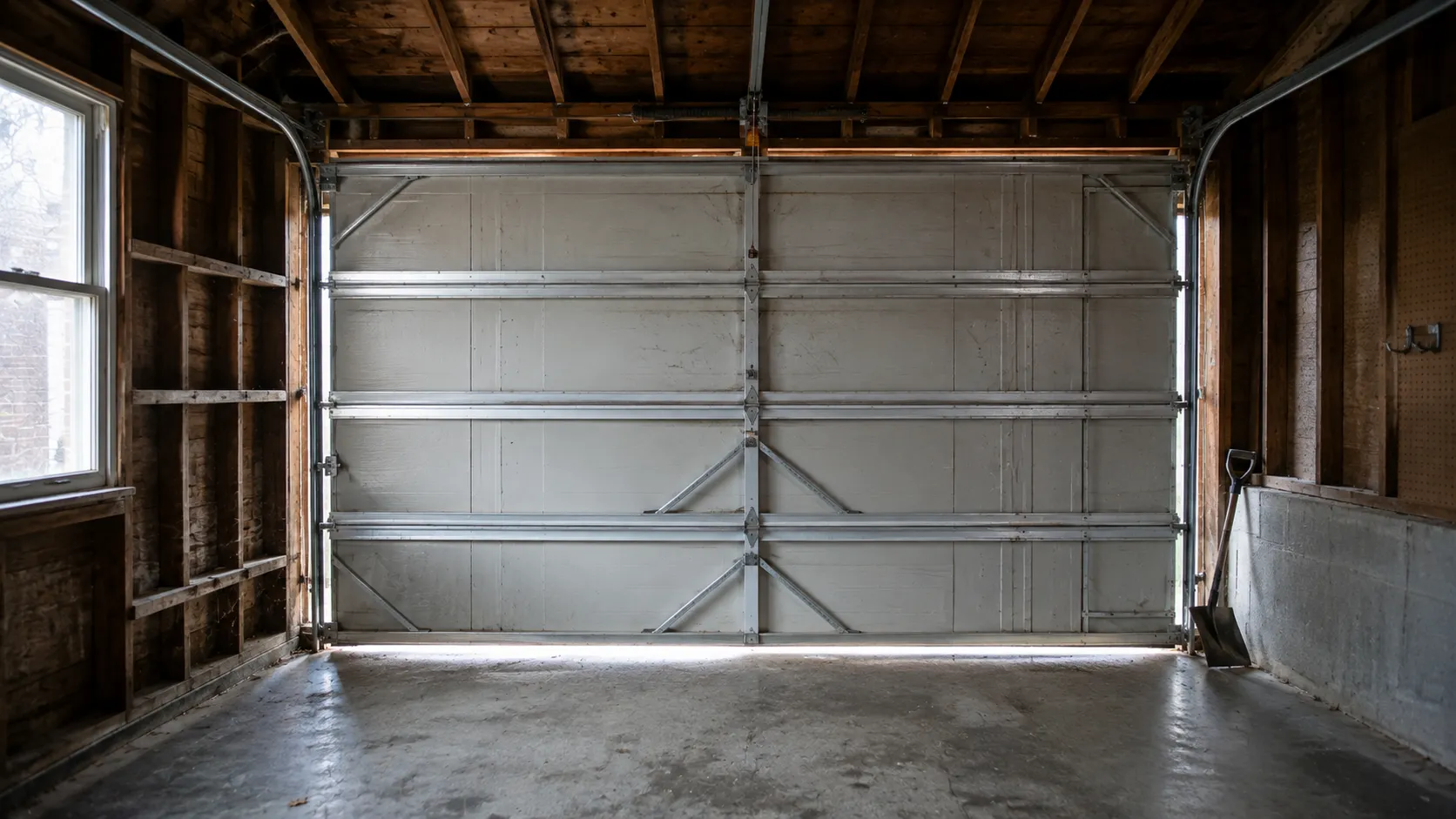
What we find
How It Shows Up
On the older end of the housing stock - anything from the 60s and 70s - the classic sign is a door that sounds different in January than it does in July. A spring that's fine in August can bind or snap once temperatures drop and the metal contracts, so a lot of our winter calls are houses that had no complaints all summer.
On houses built closer to the 1976 median, we more often see opener trouble: gears worn out on units that have been running for decades, or safety sensors that were added later and never quite aligned right. The door reverses for no clear reason, or it won't close past halfway.
On the newer end - 90s and early 2000s builds - it's usually simpler stuff: a roller gone hard and loud, a bent track from a car bumper, a remote that stopped talking to the opener. Newer doesn't mean problem-free, it just means the problems are smaller and cheaper.
Across all of it, the tell to watch for is a door that's noticeably louder or slower than it was a year ago. That's wear, and it doesn't get better with time.
How we work
Doing It Yourself
There's a real limit to what's safe to do yourself here, and torsion springs are past it - the tension stored in one of those on a double door can break a bone or worse, and it's not something we'll walk you through over the phone. That's not us protecting a job, it's just true.
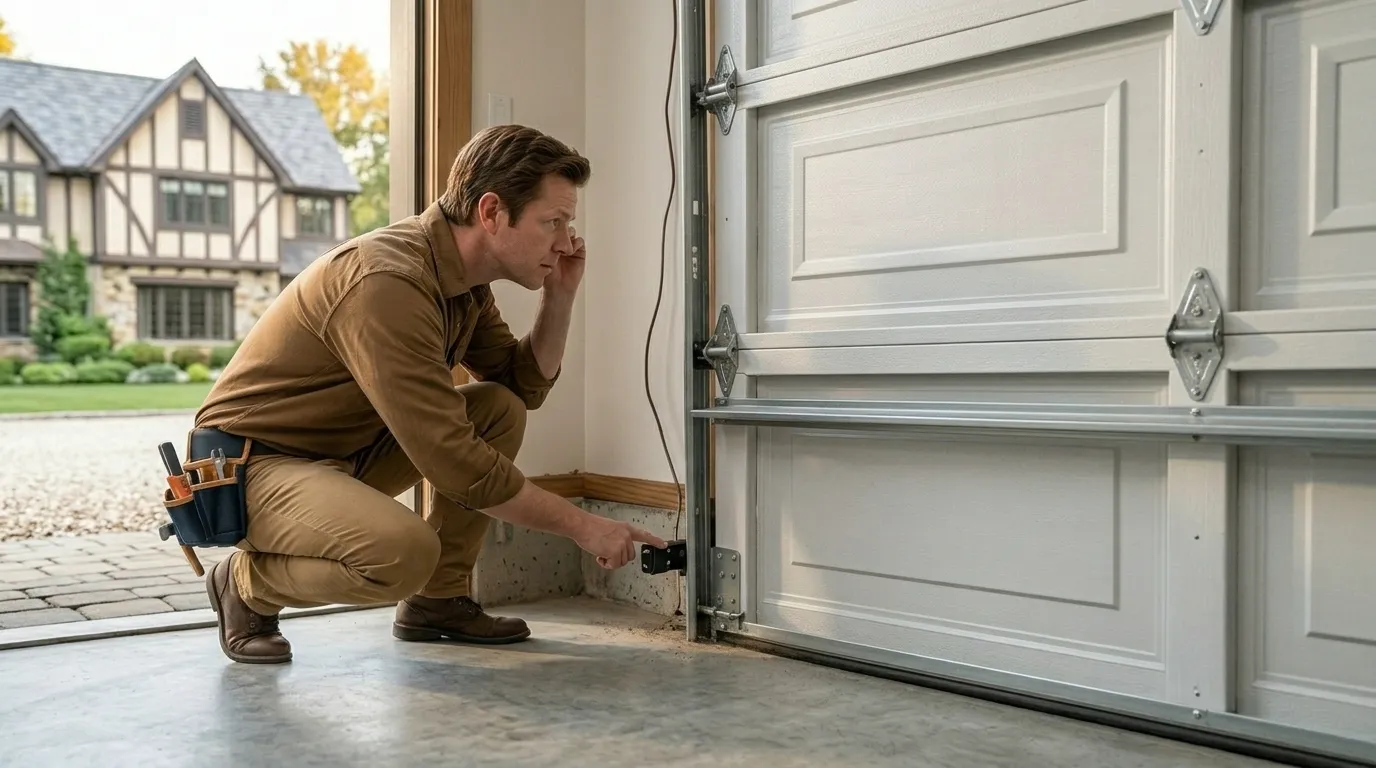
What you can do: keep the tracks clear of debris, check that the rubber seal at the bottom hasn't cracked from the cold (cheap to replace, and it keeps a lot of winter air out of a garage that's often attached to the house), and listen for new noise. If the door has started grinding, hesitating, or reversing on its own, that's worth a call before it becomes a stuck door on the one morning you need to leave for work.
We won't tell you to replace a door that just needs a spring, and we won't quote a repair on a door that's cheaper to replace once you're past a certain point of wear. Given the spread of housing ages in this area, that call really does depend on the specific door in front of us.
Questions
Common questions
Why does my garage door act up more in winter?
Cold contracts steel and stiffens lubricant, so torsion springs lose tension faster and rollers that were already worn start binding. This area sits in a moderate-cold climate band with real winter swings, which is harder on older hardware than a mild climate would be.
My house was built in the 1970s - does that matter?
Yes. A lot of the housing stock in this area, including much of Naperville, dates to the 1960s and 70s, with a local median build year of 1976. Doors and openers from that era are often on original or once-replaced hardware that's due for service.
Do you come out to nearby towns like Lisle or Warrenville?
Yes, both are about 5 miles out and within our regular service area, along with Woodridge, Winfield, and towns further out like Batavia and Geneva. Distance affects scheduling more than anything else.
Is it ever cheaper to replace than repair?
Sometimes. Given how wide the housing age range is here - 1938 to 2003 - a door on the older end may cost more to keep patching than to replace outright. We'll give you a straight answer once we've seen the door, not before.
Ready when you are
Need a garage door sorted in Naperville?
Naperville Garage Door Pros repairs and installs garage doors, springs and openers in Naperville, IL and the surrounding area.