
Guide
Wind, Wide Doors, and Naperville's Older Housing Stock
Naperville's 1960s-70s double-wide doors and cold winters combine to stress the panel in ways a single door never sees. Here's what to watch for.
Local detail
What the Weather Here Does to It
Naperville's housing median build year sits around 1976, with most of the stock going up between 1938 and 2003 across the roughly 80 named subdivisions in this part of the county. A lot of that construction happened before wide double garages were common design, which means the 16-foot door on a lot of these houses was often added or replaced later, sometimes onto framing and track hardware that was never sized for that width in the first place.
The cold band here matters too. Steel track and door skin contract in winter and expand again in the warmer months, and that cycle loosens fasteners and shifts alignment over the years faster on a wide door than a single door, because there's more span for the metal to move across. A single 8 or 9-foot door rides out that flex without much drama. A double door with a center post or a single-panel 16-footer doesn't have that same margin - any twist in the track shows up as binding, a stuck roller, or a section that doesn't sit flush at the bottom.
I don't have wind-load figures for this specific area, so I won't quote a design speed or a rated pressure - that's not something I can back up. What I can say is that the combination of an older, wider opening and decades of freeze-thaw cycling on the hardware is what actually causes the trouble homeowners call about.
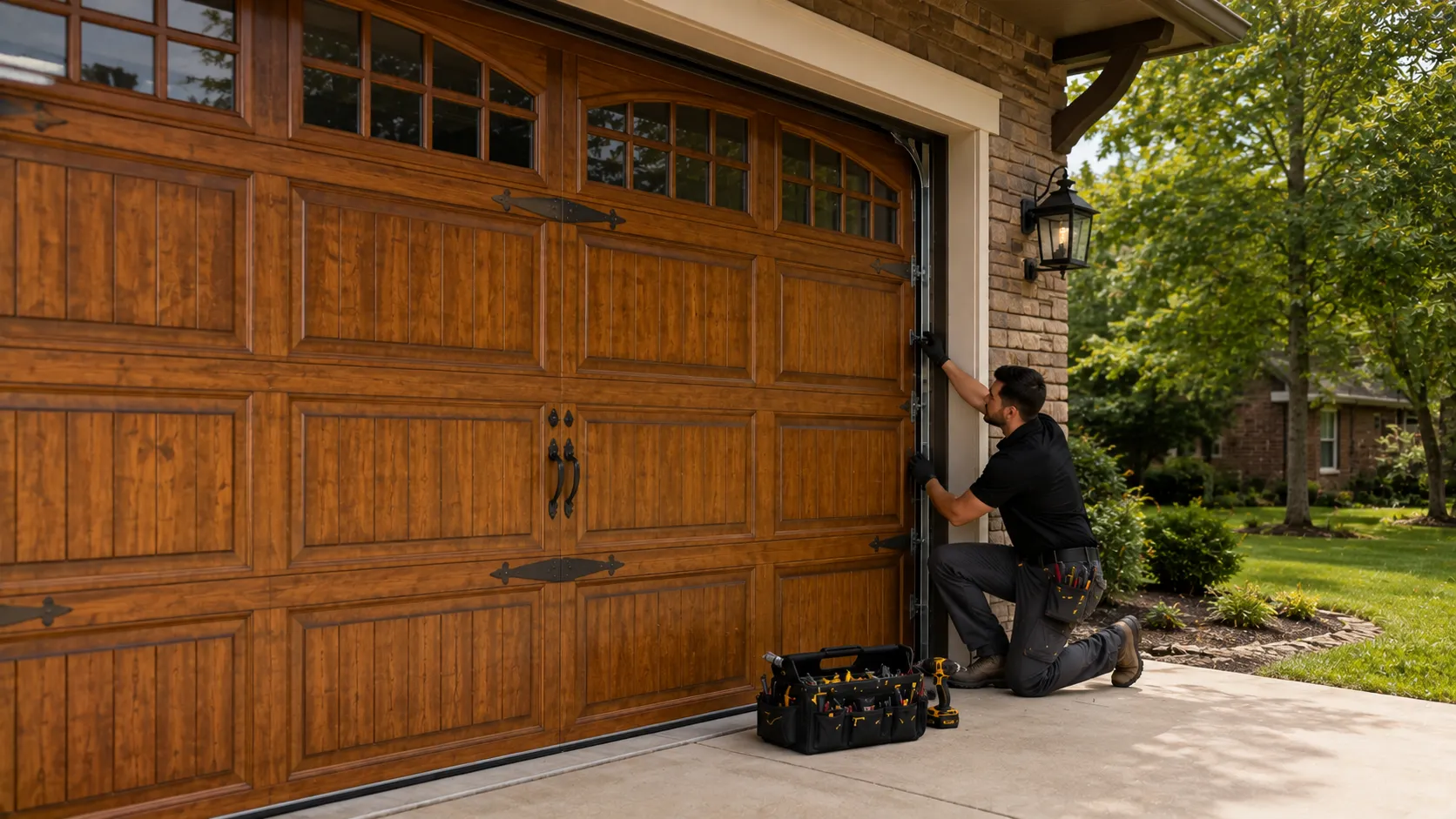
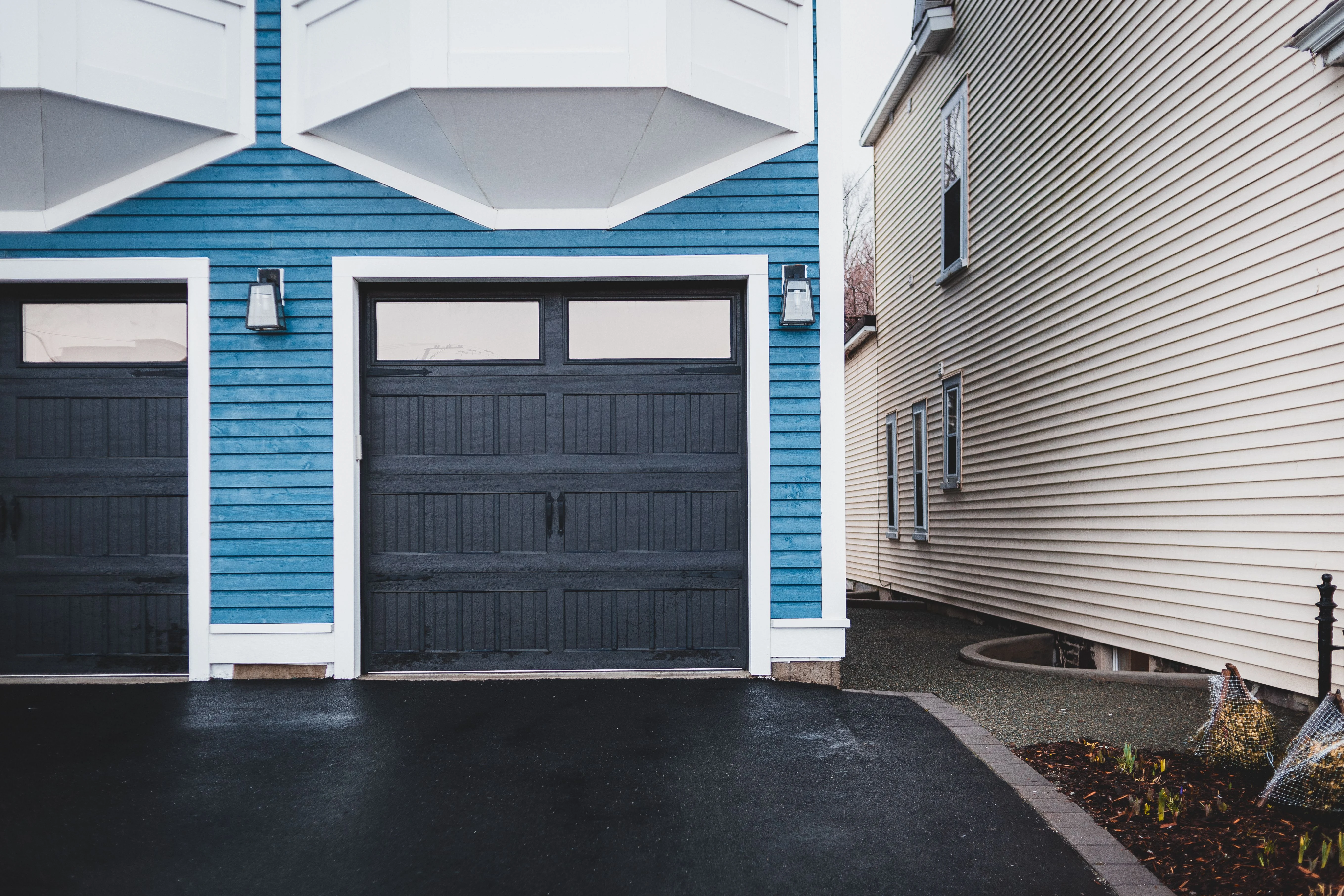
The area
When to Call Someone
If a double door bows outward in the middle when it's shut, or if you can see daylight along one side that wasn't there last year, that's the panel or the track telling you it's under more load than the bracing is handling. Don't wait on that one - a bowed section can jump the track without much more provocation.
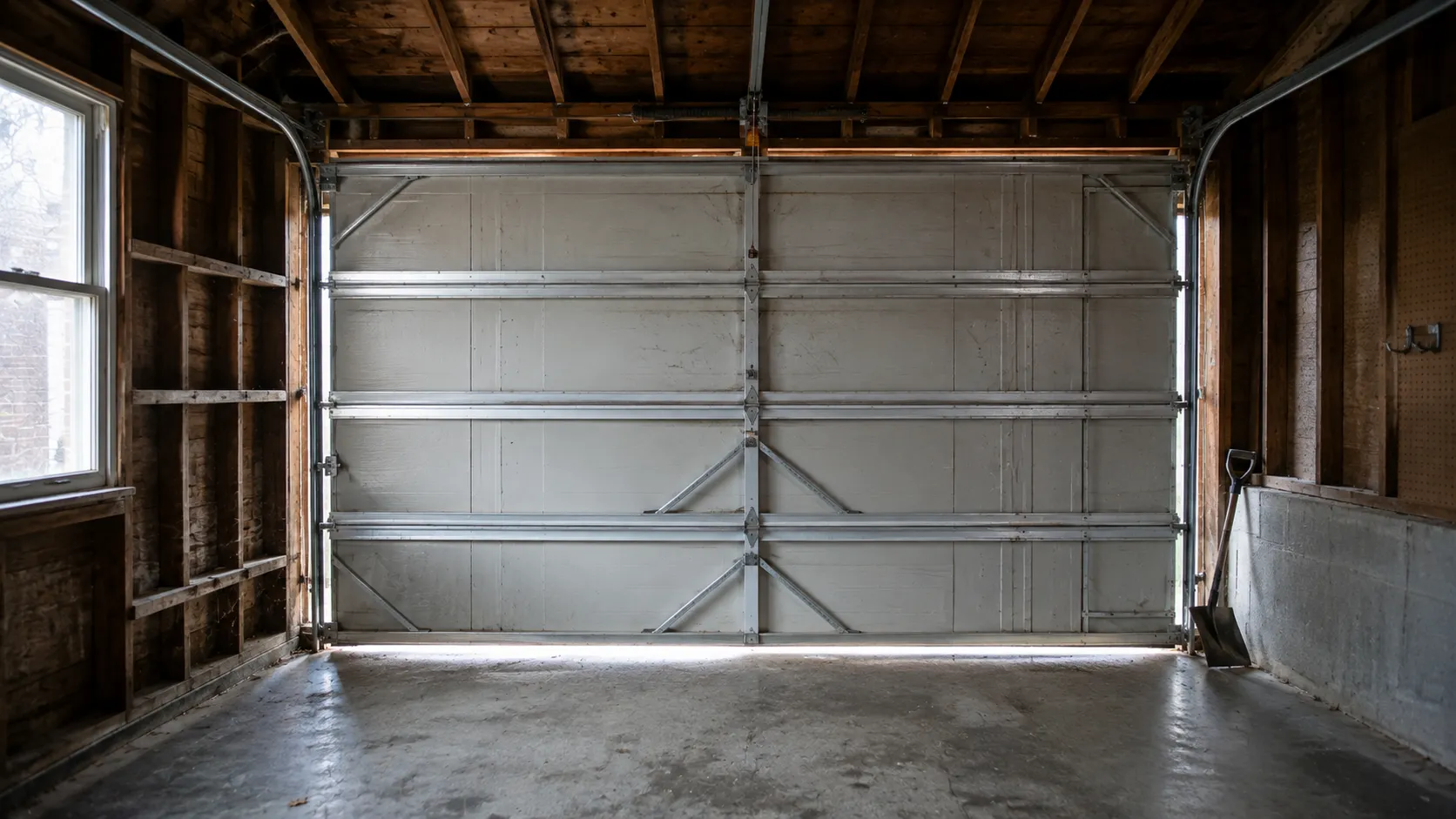
A door that shudders or rattles hard when it's closed, more than it used to, is usually a sign the center post reinforcement on a double-wide has loosened at the fasteners - common on doors from the 1960s and 70s stock that make up a lot of this area, where the original bracing wasn't built to today's standard.
If the door comes off the track on one side, or a roller has popped out of the rail, that's a same-day call, not a tomorrow call. Running an opener against a door that's already off-track wrecks the track, the roller, and sometimes the header above it.
Routine stuff - a slightly stiff roller, one loud spot at the top of the travel - can wait for a scheduled visit. Save the urgent call for anything where the door isn't sealing flat, isn't sitting square, or is visibly flexing.
What we find
The Problem
A single garage door is a supported panel maybe 8 or 9 feet wide. A double door is closer to 16 feet, and everything that flexes on the single door flexes almost twice as far on the double - with only a center post and the track brackets holding the middle from bowing. On houses built in the 1976 median era common across this area, that center post reinforcement is often the original steel, thinner gauge than what goes in today, and it's had 40-plus years of seasonal contraction working the screws loose.
Wind doesn't need a storm to do damage here. It needs a door that's already a little out of square, a track bracket that's a little loose, and enough push to find the weak point. On a well-braced modern door, that's nothing. On an older double-wide with worn hardware, that same push is what turns into a bowed panel or a torn-loose bracket.
I'll say the limitation plainly: I don't have local wind speed or storm-frequency data to hand you a number, so I'm not going to manufacture one. What holds up without a stat is the age and width math - older, wider doors here have less margin, and that's a fact about this area's housing stock, not a guess about the weather.
How we work
Where People Go Wrong
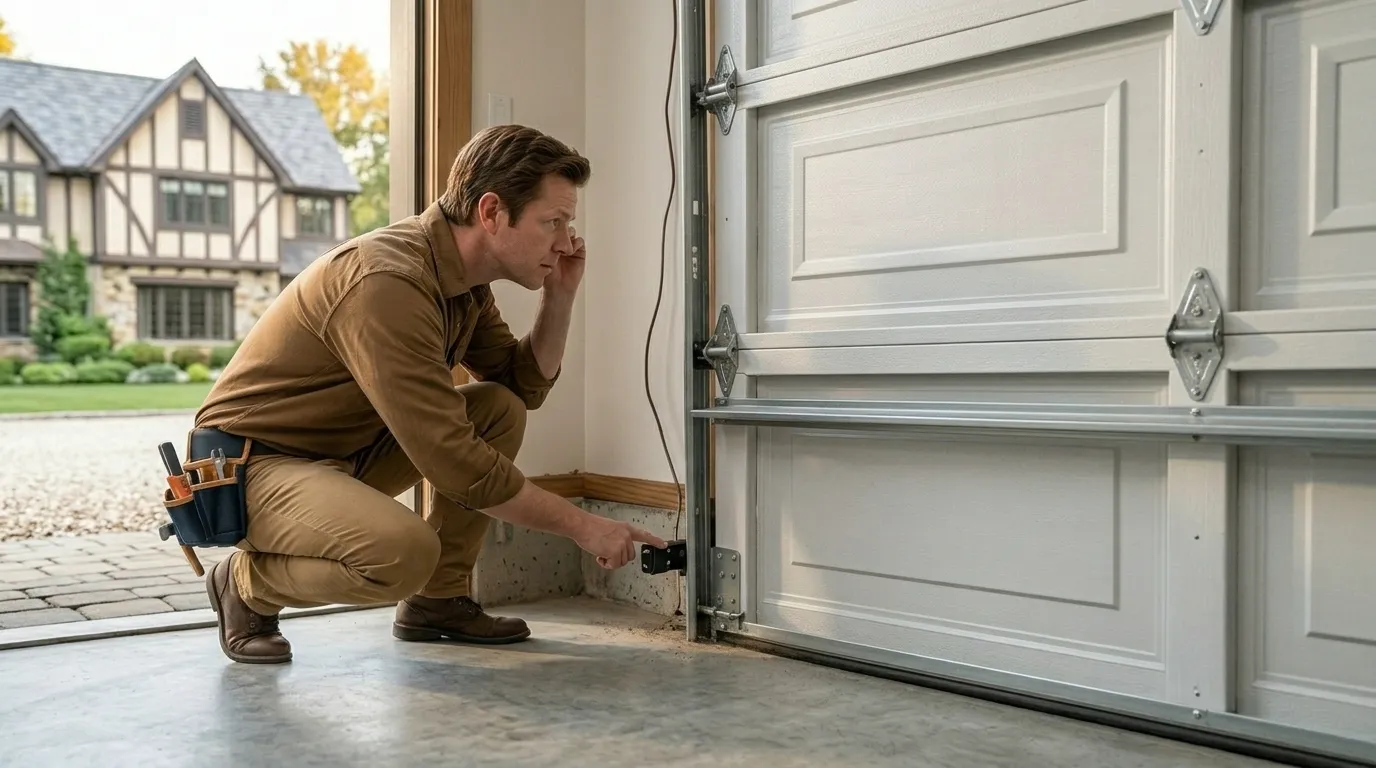
The most common mistake is treating a double-wide door like a bigger version of a single door instead of a different structural problem. People tighten a loose roller or lubricate a squeaky track and call it fixed, when the actual issue is the center post bracing that's been slowly working loose since the house was built - and on stock from the 1960s and 70s that describes a lot of these subdivisions, that bracing has had a long time to loosen.
The second mistake is waiting until the door is visibly bowed to do anything. By the time you can see the flex with the door shut, the reinforcement has usually already failed at one or more fasteners, and you're looking at a repair that's bigger than tightening a bolt.
The third is assuming a repair is always cheaper than a replacement. On an original door from that era, matching the panel, the track gauge, and the hardware sometimes costs more in parts and labor than putting in a new door built to current bracing standards. I won't pretend every old door is worth saving - sometimes it isn't, and that's a conversation worth having before, not after, a repair is under way.
Questions
Common questions
Why does my double garage door shake more than my neighbor's single door?
Width, mostly. A double door spans close to 16 feet with only a center post holding the middle, while a single door is supported edge to edge at 8 or 9 feet. On older houses in this area, that center bracing is often original hardware that's loosened over decades of seasonal temperature swings, so the door has more play and more shake.
Is a bowed garage door an emergency?
Treat it as urgent. A door bowing outward when closed means the center reinforcement isn't holding the panel flat anymore, and a roller can jump the track without much more force. It's not something to leave for a routine appointment - get it looked at before it's used again.
Should I repair or replace an old double-wide door?
Depends on the door. On original hardware from the 1960s-70s stock common in this area, matching parts and labor for a repair sometimes costs close to what a new door with current bracing runs. Worth getting both quoted before deciding, rather than assuming the cheaper-looking fix actually is.
Ready when you are
Need a garage door sorted in Naperville?
Naperville Garage Door Pros repairs and installs garage doors, springs and openers in Naperville, IL and the surrounding area.