
Guide
Doors on Houses Built Before Insulation Rules
Naperville homes built between 1938 and 2003 carry garage doors that predate modern insulation codes. Here's what our cold winters do to that hardware and when to call.
Local detail
What the Weather Here Does to It
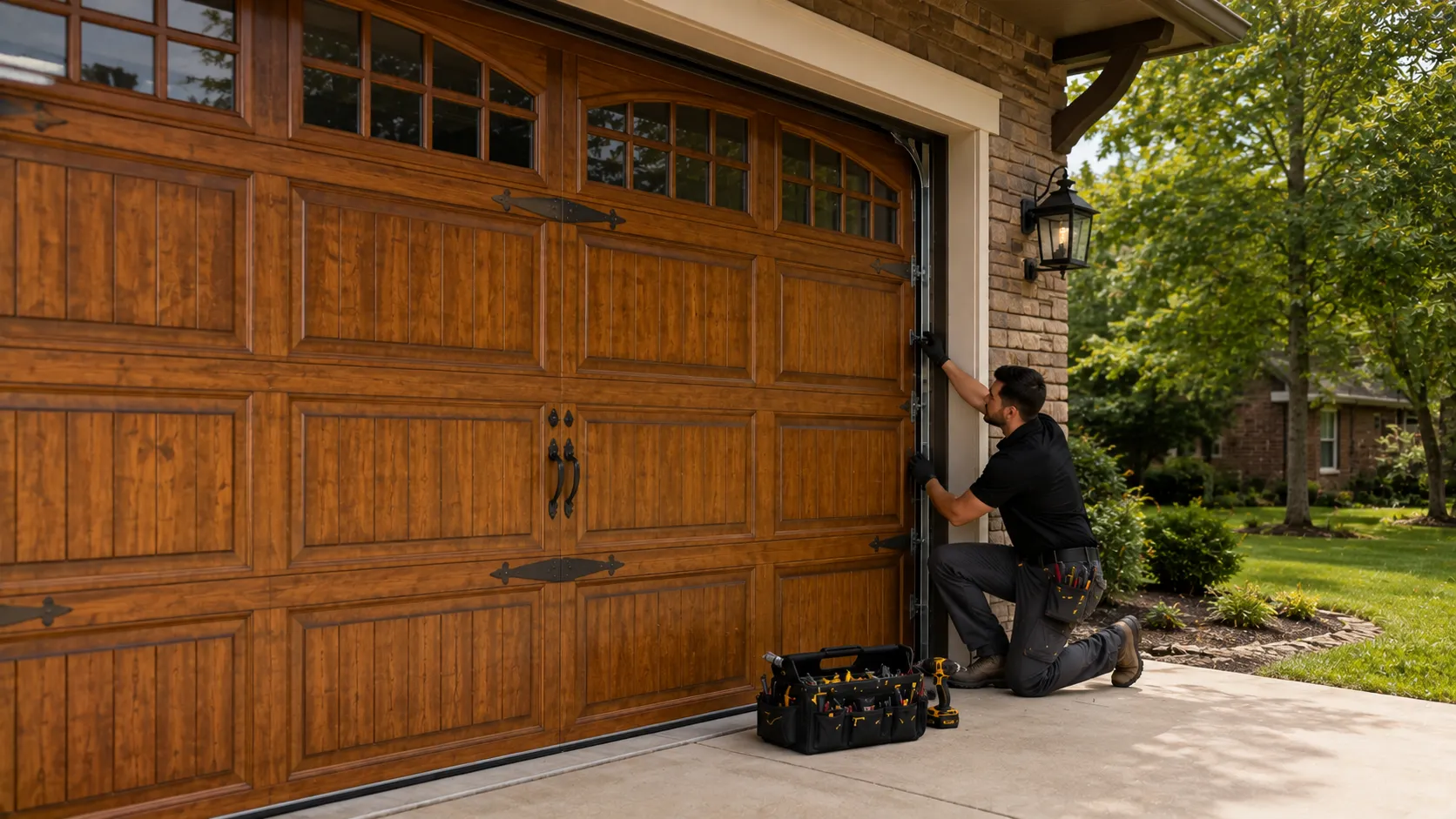
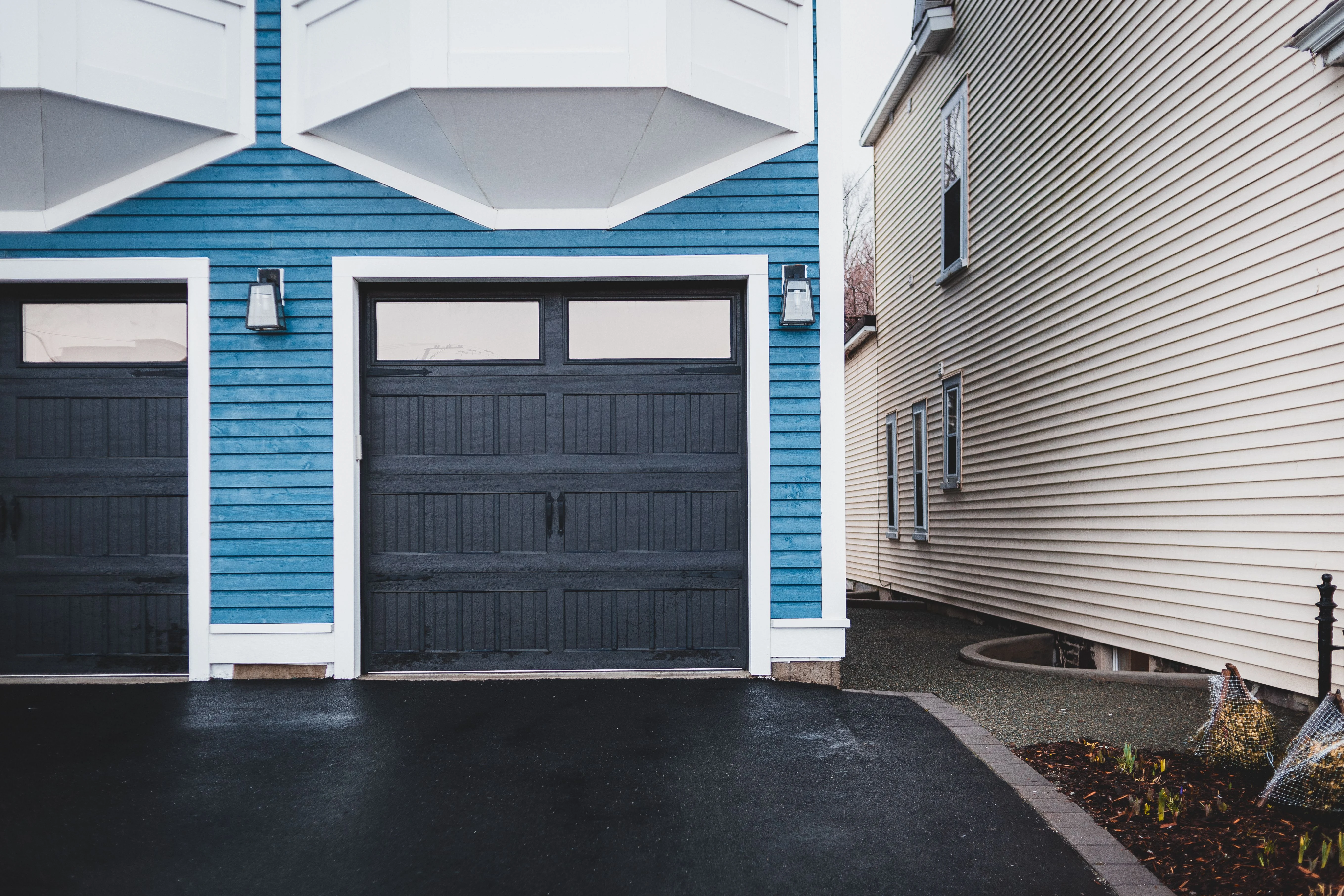
Naperville sits in a cold moderate climate band, and most of the housing stock here went up between 1938 and 2003, with the median build year landing around 1976. That matters because a door built to 1976 standards wasn't built to hold back the kind of cold-snap swings this area gets every winter. Steel skins on those older doors are thinner, insulation (if there's any at all) is a single layer of foam board stapled in rather than a bonded polyurethane core, and the weatherstripping was never designed for decades of freeze-thaw cycling.
What happens in practice: the bottom seal hardens and cracks by January, the panels contract enough that daylight shows at the seams, and condensation forms on the inside skin because there's no thermal break. None of this is dramatic. It's slow.
A door that sealed fine in October starts letting a cold draft into the garage by February, and if you've got a laundry room or mechanical closet sharing a wall with that garage, you feel it in the house too. The fix isn't always a new door - sometimes it's just new weatherstripping and a bottom astragal rated for this climate. But on a door built before insulation rules existed, that's a patch, not a cure.
The area
When to Call Someone
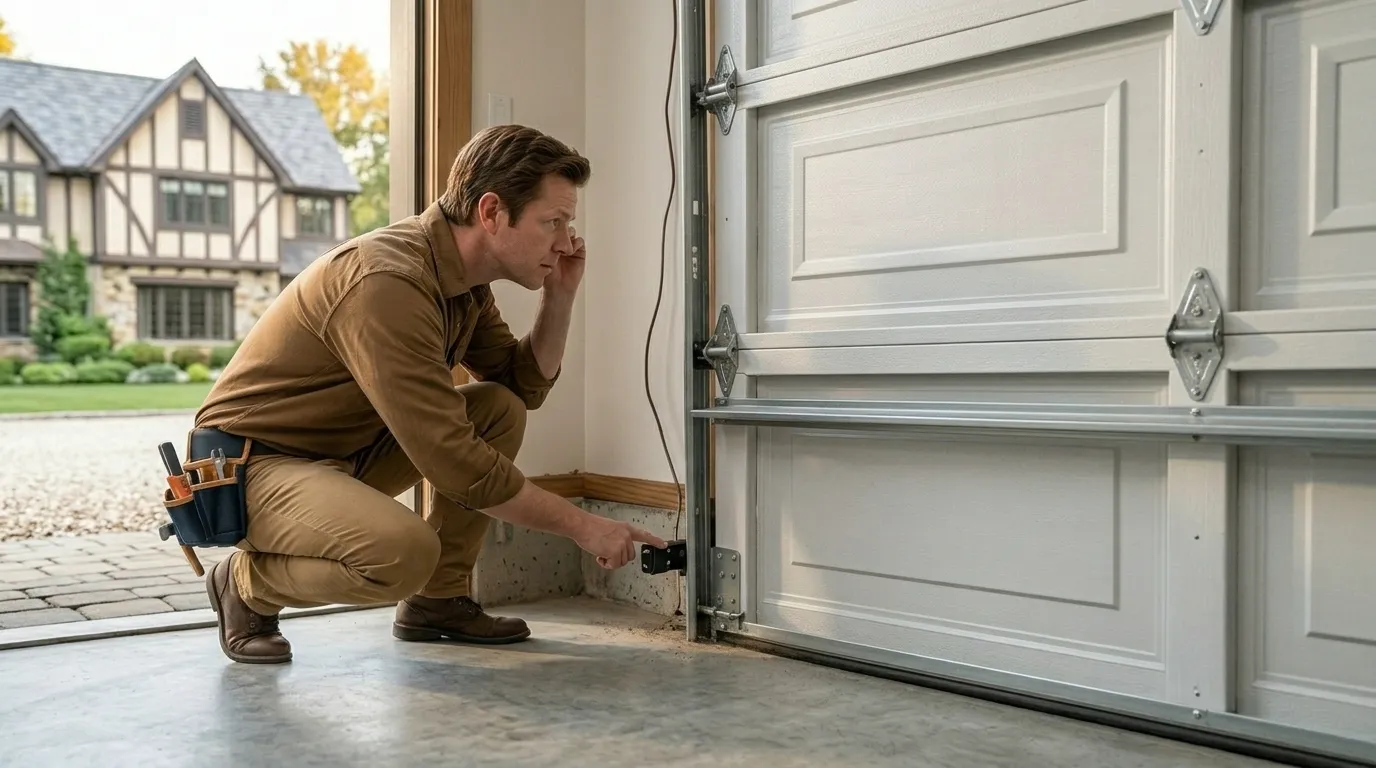
Call when the door is noticeably heavier to lift by hand in cold weather than it was in summer - that's usually spring tension shifting as steel contracts, and it's not something to force. Call when you see ice forming inside the track rather than just on the outside of the door; that means moisture is getting past the seal and freezing where the rollers run. Call when the opener strains and reverses on cold mornings but runs fine once the garage warms up - that's a mechanical symptom, not an electrical one, and it points to hardware that's fighting the cold rather than a bad opener.
On a house built in the 1960s or 70s, which describes most of this area's stock, original torsion hardware is also just old. Springs have a cycle life, and springs installed when a house was built decades ago are well past due whether or not they've failed yet. Waiting for a full snap in freezing weather, with the door stuck halfway, is the expensive way to find out.
What we find
The Problem
Here's the honest version: a door built before insulation rules doesn't fail all at once. It degrades in ways that are easy to write off as normal aging - a little more effort to lift, a little more rattle when it closes, a little more cold air near the utility sink. Multiply that across 244,587 owner-occupied houses in this service area, most sitting on stock from the 1960s and 70s, and you get a huge number of doors quietly underperforming in exactly this way. The core problem is that these doors were engineered for a build era, not for this specific climate band, and thirty or forty years of cold moderate winters have worked on every seam, seal, and spring since.
Replacing the door solves the insulation and seal problem outright. Replacing just the spring or weatherstripping solves the immediate symptom but leaves the rest of a 1970s-era door doing 1970s-era work in a 2020s winter. Both are legitimate calls - it depends on what you're trying to fix and what you're willing to keep patching.
How we work
Where People Go Wrong
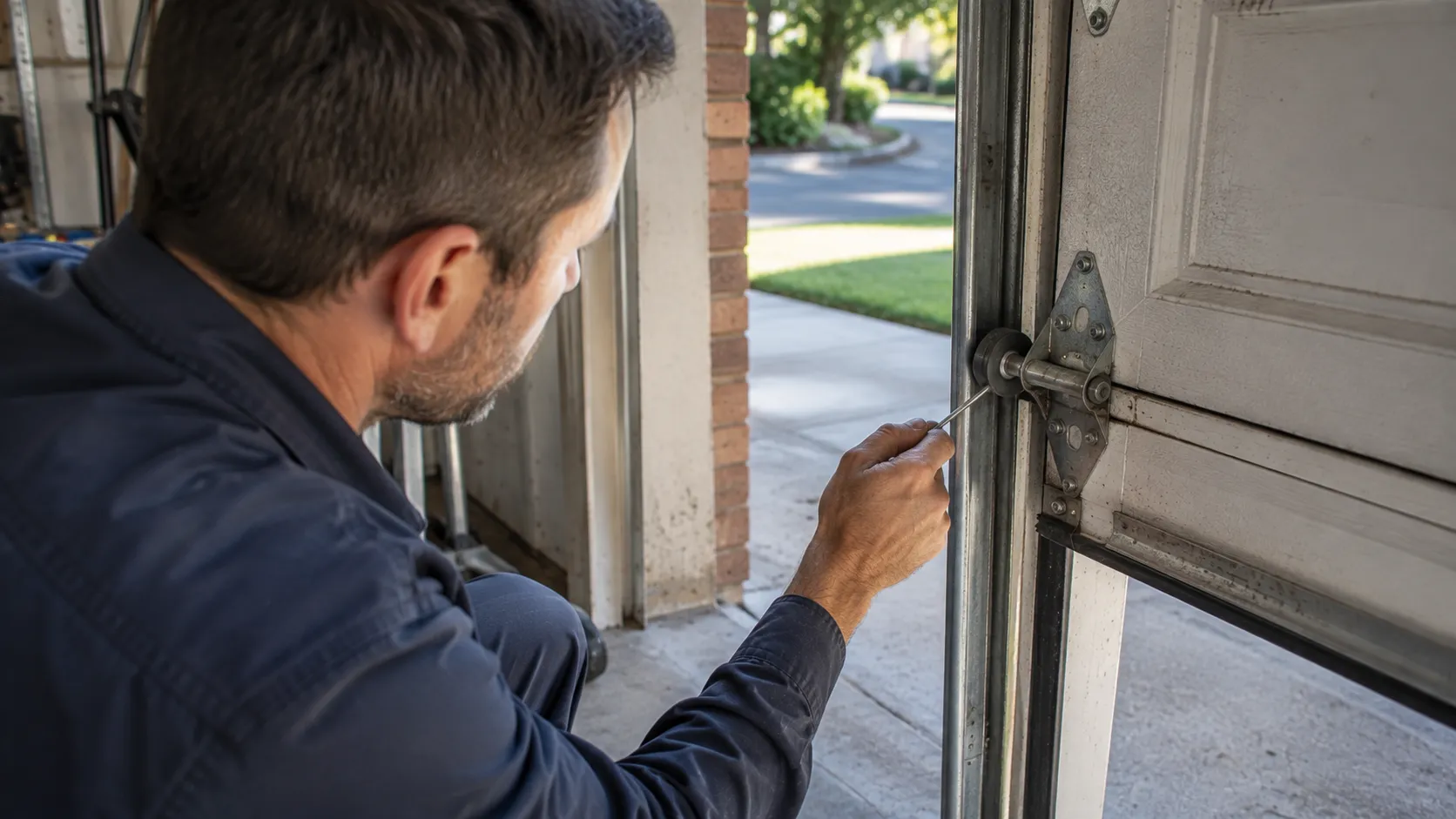
The most common mistake we see on houses in this area is treating a stiff, cold-weather door as a lubrication problem when it's actually a spring or hardware problem. WD-40 on a track doesn't change spring tension, and spring tension is what's actually shifting as steel contracts in the cold. The second mistake is assuming a door built decades ago just needs weatherstripping to be
Questions
Common questions
Why does my garage door get harder to open in winter?
Steel contracts in cold weather, which changes torsion spring tension slightly and can make the door feel heavier to lift by hand or strain the opener. On older doors, common in this area's 1960s-70s housing stock, worn hardware makes this more noticeable than it would be on a newer door.
Is it worth insulating an old garage door instead of replacing it?
Sometimes. Adding a foam insulation kit to an original door built before insulation rules can cut drafts, but it won't fix hardened weatherstripping, thin steel skins, or aging springs. If the door is otherwise sound, insulating is a reasonable patch. If several problems are stacking up, replacement is usually the better call.
Why does ice form inside my garage door track?
That means moisture is getting past the door's seal and freezing where the rollers travel, which is common on older doors with hardened or cracked weatherstripping. It's a seal problem, not a track problem, and it's worth addressing before the ice interferes with the rollers themselves.
Ready when you are
Need a garage door sorted in Naperville?
Naperville Garage Door Pros repairs and installs garage doors, springs and openers in Naperville, IL and the surrounding area.