
Hickory Hills, Naperville IL
Garage Door Service for Hickory Hills's 1970s Housing Stock
Naperville Garage Door Pros services Hickory Hills's 1970s-era garage doors - extension springs, older track hardware, and the cold-weather faults that come with that stock.
Local detail
What Was Built Here
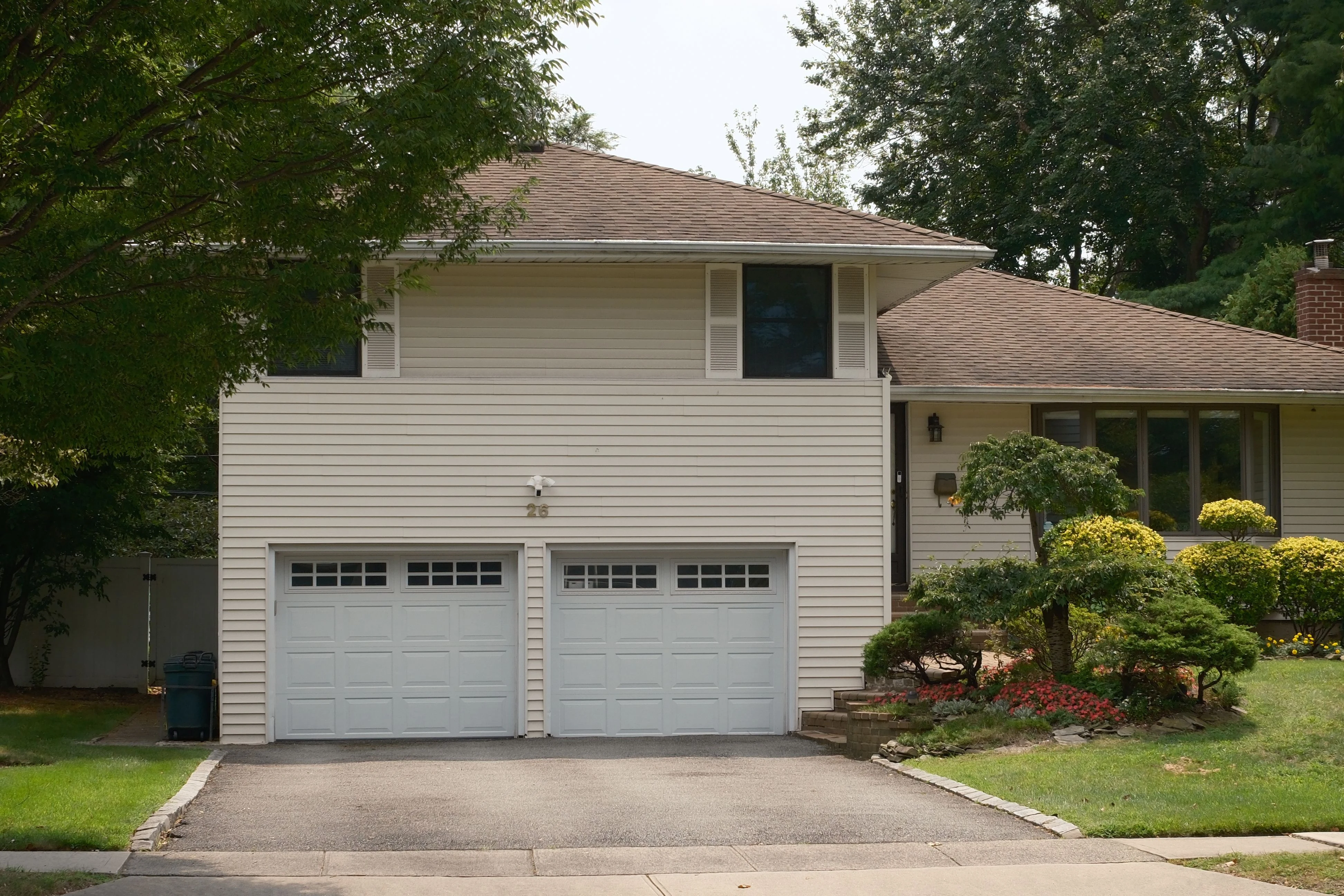
Hickory Hills homes went up mostly around 1970, which puts this area on the older edge of what we see across the wider service territory, where the median build year runs closer to 1976. That six-year gap matters more than it sounds. A house built in 1970 was framed and finished before insulated steel doors were standard, before extension-spring safety cables were required, and before torsion setups became the default on anything but higher-end builds. With 5,610 households in Hickory Hills, that's a lot of garages still running the hardware that came with the house, or a direct swap of it decades ago.
Median household income here runs $85,541, below the $99,525 median across the broader area we cover. That doesn't change what breaks, but it does shape what people ask for when it does: a fix that gets the door working again, not always a full replacement. We work with that. A repaired 1970s door with new cables and a serviced opener can run another decade if the track and jambs are still sound.
The area
What That Means for Doors
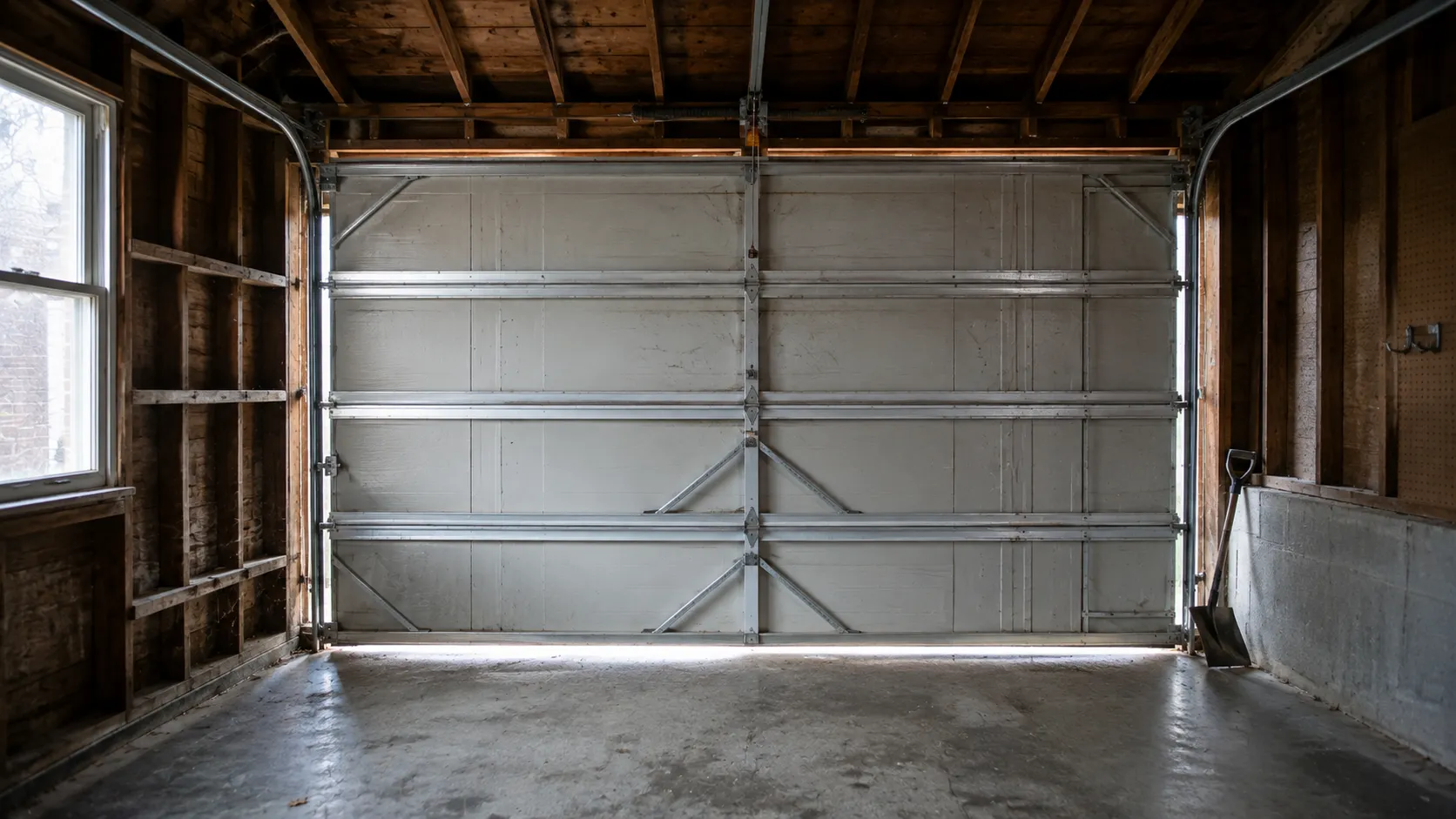
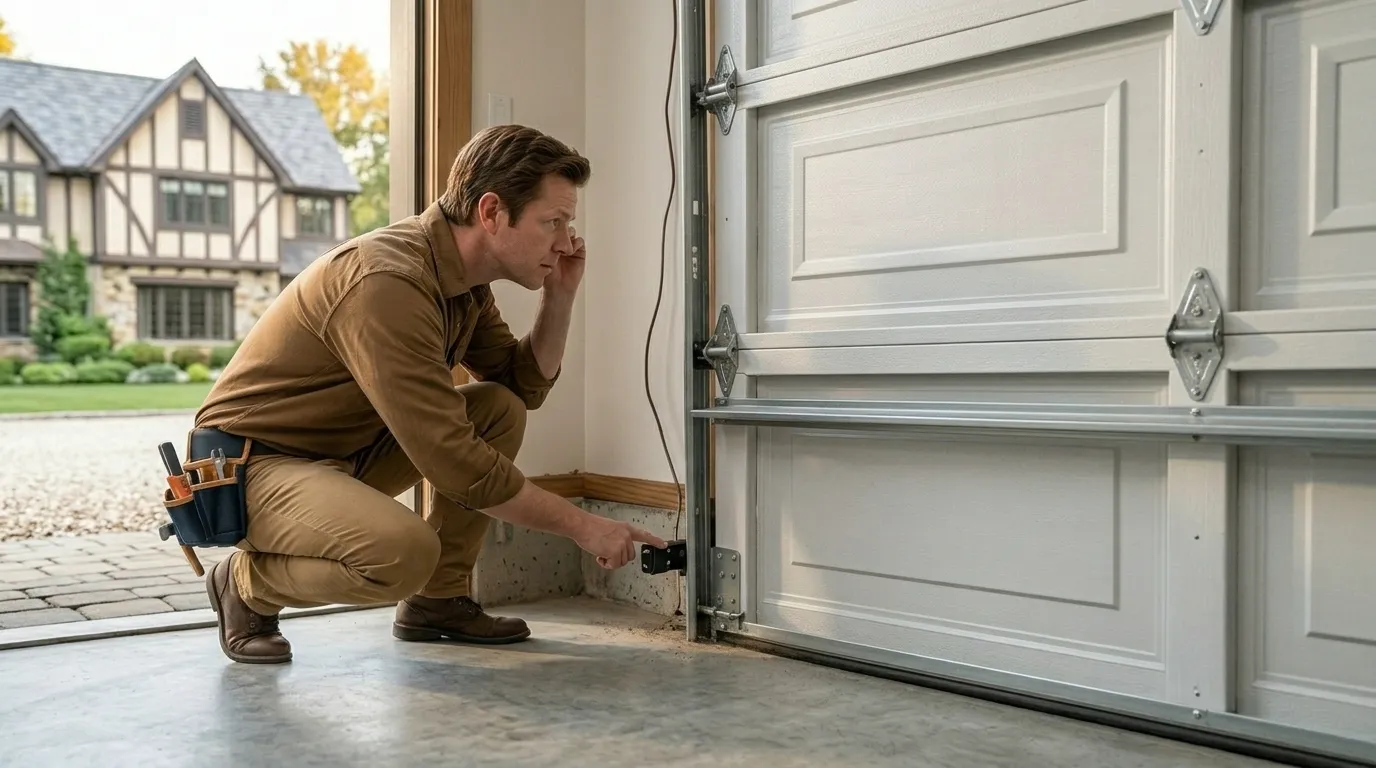
Doors from this era are usually single-layer steel or aluminum, no foam core, hung on extension springs mounted along the horizontal track rather than a torsion bar over the header. Extension springs stretch and fatigue differently than torsion springs, and on a lot of these original setups the frayed safety cable is the actual hazard, not the spring itself. We see brittle cable housings and glazed-over pulleys that haven't turned freely in years.
Cold-climate swings do their own damage on hardware this old. Steel track brackets loosen as wood jambs shrink and swell through freeze-thaw cycles, and a door that binds in January often traces back to a jamb that's moved a quarter inch off square. None of this is unique to any one house, but on a street built in a single wave around 1970, it tends to fail in the same order, house after house: cable, then roller, then opener drive gear.
One limit worth saying plainly: if the door panel itself is rusted through or the track is bent past true, we'll tell you replacement beats another repair. Patching a door that's structurally done just delays a bigger bill.
What we find
How We Get to You
We run out of Naperville, about 17 miles from Hickory Hills, so there's no local depot here - every job means a truck making that drive. Depending on the day, that route runs through the Lemont and Willow Springs area, or down past Burr Ridge and Willowbrook, before reaching Hickory Hills streets.
We're not going to claim a response time we can't back up over that distance, and we won't pretend to have served this specific neighborhood before. What we can say is that the drive is part of how the job gets priced and scheduled, and we're upfront about that when you call. If timing is tight - a door stuck open overnight, say - ask us directly what a same-day slot looks like before you book, rather than assuming it.
How we work
What People Here Ring About
Given the age of the stock, the calls we'd expect from Hickory Hills lean toward extension-spring failure, frayed lift cables, and openers original or close to original to the house - chain-drive units from an era before modern safety reversal was standard equipment. A door that reverses randomly or won't close all the way is usually a sensor or logic-board issue on an opener that's simply outlived its parts.
Track alignment is the other recurring one. On a house built around 1970, the wood framing around the opening has had fifty-plus years of seasonal movement, and a track that was plumb when installed often isn't now. That shows up as a door that runs rough on one side or slams the last foot of travel.
We don't stock every obsolete part for hardware this old - some extension-spring assemblies and older opener drive gears are special-order, and that adds days, not hours, to a repair. We'll tell you that up front rather than after the fact.
Service areas
Other areas we cover near Hickory Hills
Questions
Common questions
Do you have a location in Hickory Hills?
No. We run out of Naperville, about 17 miles away, and Hickory Hills is part of the territory we drive to rather than a branch location. We're upfront about that distance when we quote a job or a timeframe.
Why does my 1970s garage door use different springs than my neighbor's newer one?
Houses built around 1970, like most in Hickory Hills, typically came with extension springs mounted along the horizontal track, not the torsion springs common on newer installs. They fail differently and need different safety cable checks.
Is it worth repairing an original door from this era?
Often yes, if the panel and track are still sound - new cables, rollers, and an opener service can extend a 1970s door well past its original hardware. If the steel panel has rusted through or the track is bent, we'll say so and recommend replacement instead.
What's the most common opener problem you'd expect here?
Given how much of the housing stock here dates to 1970, a lot of openers are older chain-drive units without modern safety reversal logic. Random reversing, failure to close fully, or dead logic boards are the typical calls on hardware that age.
Ready when you are
Need a garage door sorted in Naperville?
Naperville Garage Door Pros repairs and installs garage doors, springs and openers in Naperville, IL and the surrounding area.