Broken Torsion Springs
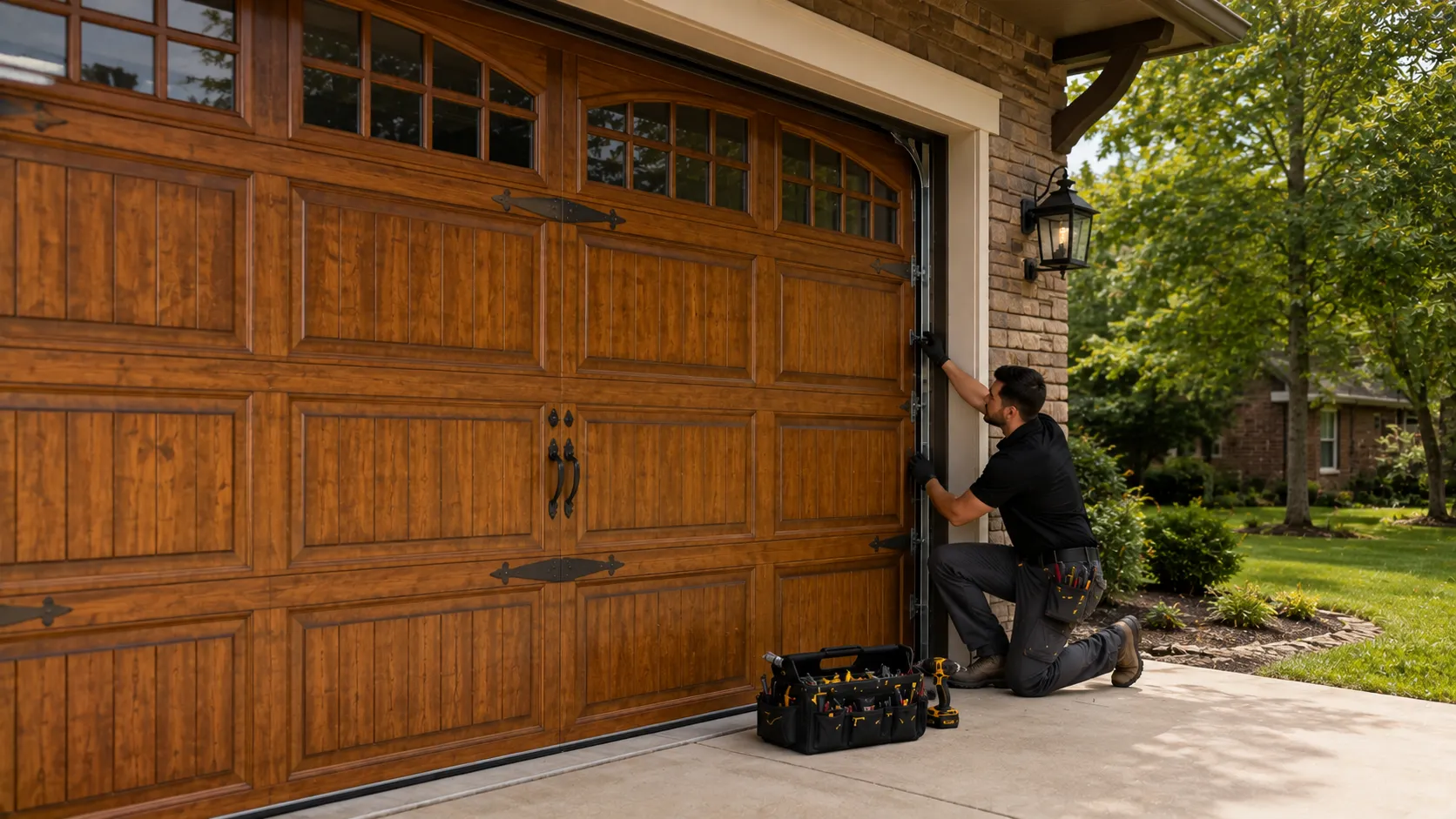
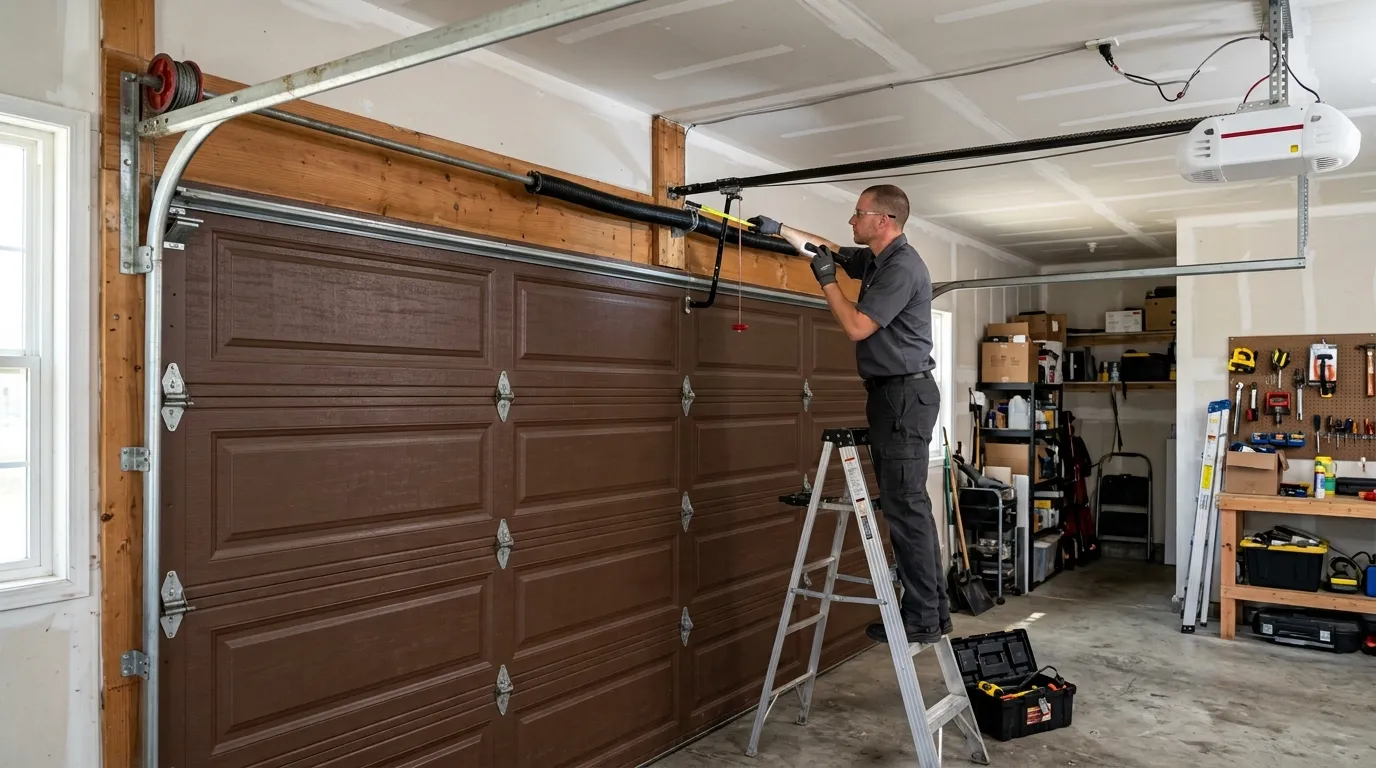
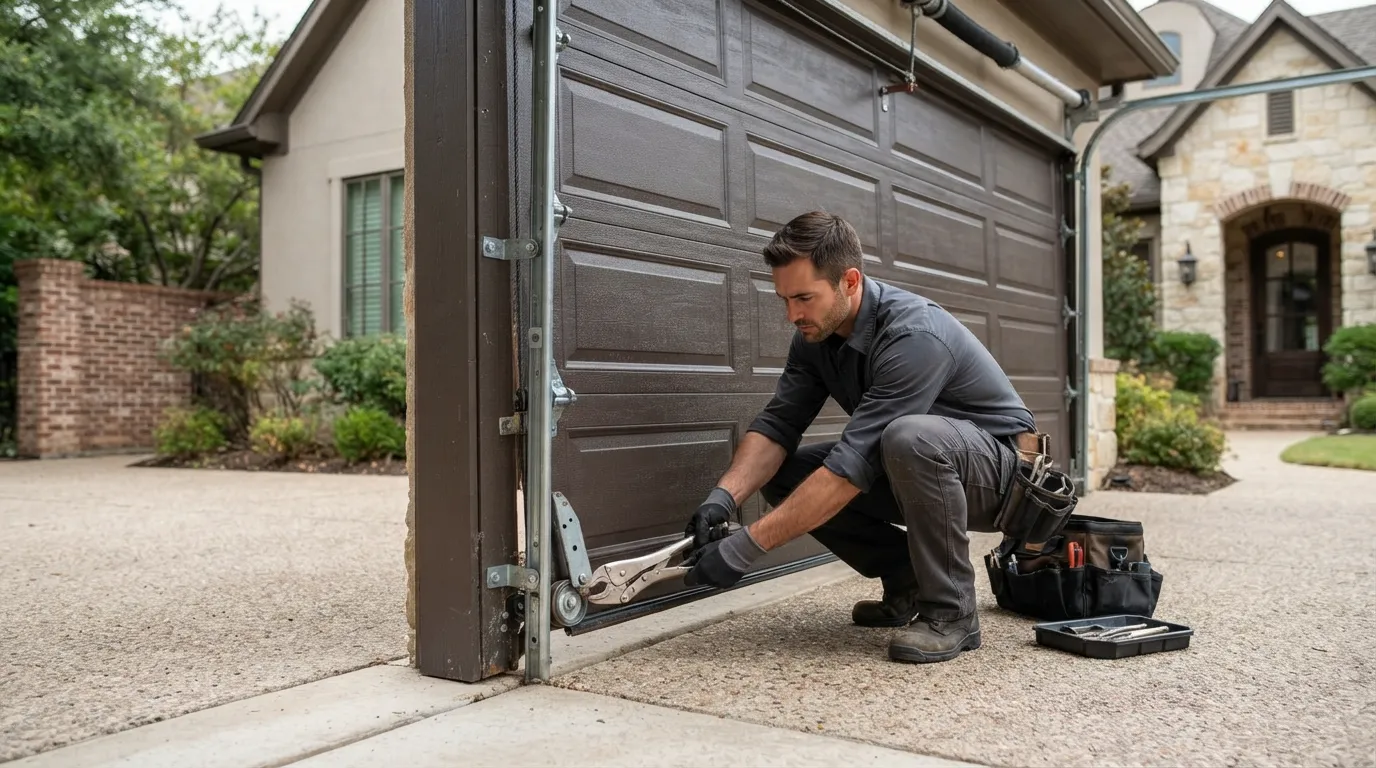
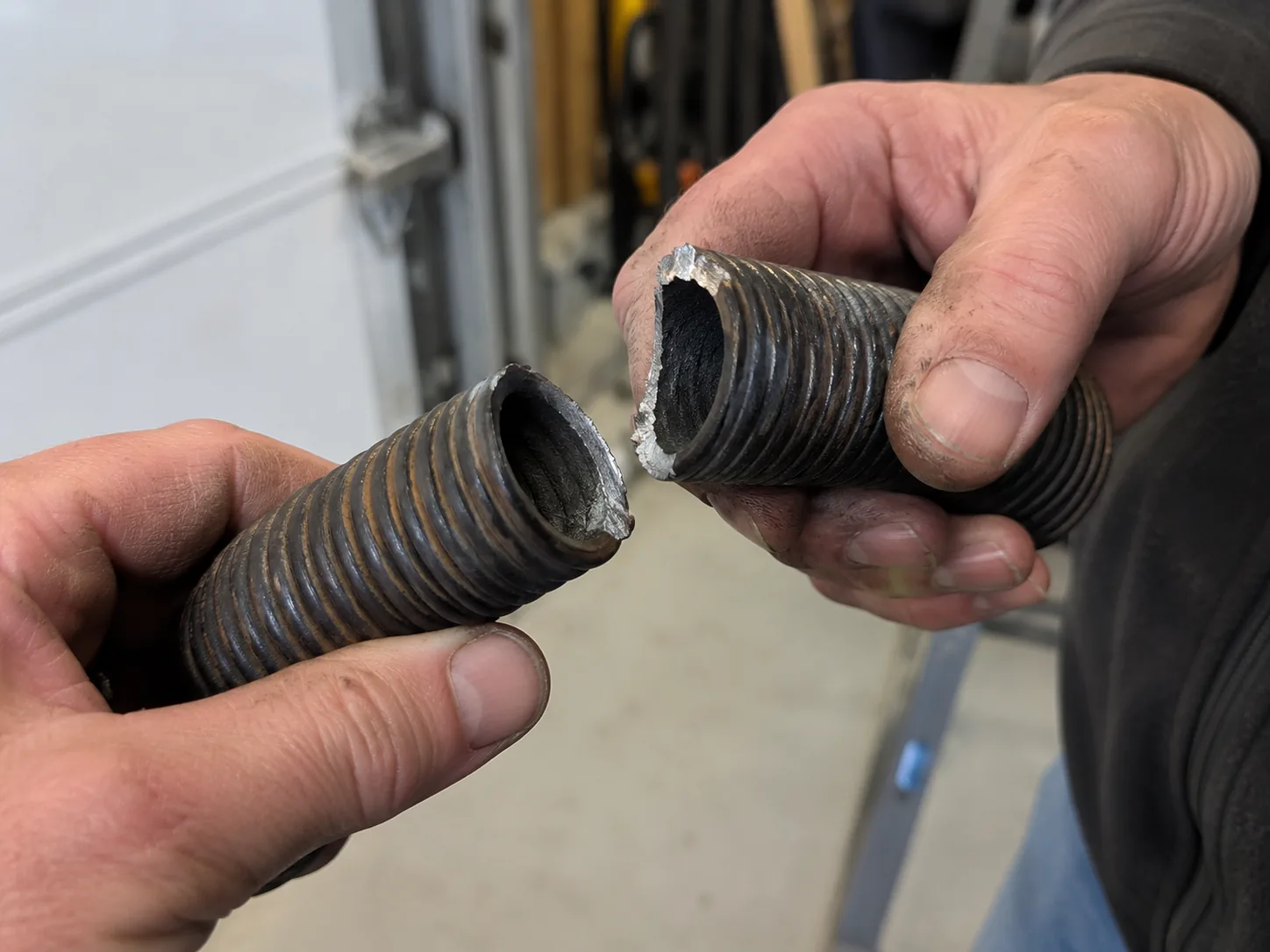
Older torsion springs eventually reach the end of their useful cycle life after years of regular opening and closing, and they're one of the most common calls on 60s- and 70s-era doors.
Local garage door service · Naperville, IL
Garage door repair and replacement for Naperville homes spanning 1938 through 2003, covering springs, openers, rollers, tracks, maintenance, commercial garage doors, and the older residential systems common across the area's 1960s- and 70s-heavy housing stock.
Garage door services
From general garage door repair and installation to commercial garage doors, maintenance, opener repair, roller replacement, and spring work, the service lineup is built around the systems common across Naperville's mixed-age housing stock.
Clear repair guidance
There isn't a flat phone price, because the repair depends on the door and hardware actually installed.
A torsion spring on a 1970s-era door can require different parts from one installed decades later, and Naperville's 1938-2003 housing range creates a broad mix of spring sizes, cable gauges, drums, tracks, openers, and panels.
The diagnosis matters as much as the visible symptom. A noisy door may need rollers, while another door with similar symptoms can have track alignment or spring problems.
We're also clear when an older door has reached the point where another patch repair no longer makes practical sense.
Some discontinued hardware may require additional sourcing rather than an immediate replacement part.
What to expect
We start with what the door is actually doing, check the installed hardware rather than diagnosing from one symptom, and separate the part that's genuinely failed from older hardware that's simply worn or noisy.
Tell us whether the door won't open, moves crooked, grinds, or the opener runs without moving the door. That symptom is the starting point for the diagnosis.
We check spring tension, track condition, rollers, cables, and opener force settings rather than diagnosing from one symptom alone, so the real problem is found.
The inspection is meant to distinguish the component that is actually broken from older hardware that may simply be noisy or worn but still serviceable.
If the required component is uncommon or discontinued, we explain the sourcing timeline instead of guessing at a same-visit fix we can't back up.
Common Naperville garage door problems
Broken torsion springs, aging opener components, worn rollers, track alignment problems, and older door hardware make up much of the work across Naperville's 1960s- and 70s-heavy housing stock. Torsion spring repairs on 60s- and 70s-era doors are one of the most common categories, opener failures cluster on units installed after the original build that have themselves run fifteen to twenty years, and winter tends to make existing spring fatigue and hardware wear more noticeable — most of it repair and replacement on existing homes rather than new construction.
Older torsion springs eventually reach the end of their useful cycle life after years of regular opening and closing, and they're one of the most common calls on 60s- and 70s-era doors.
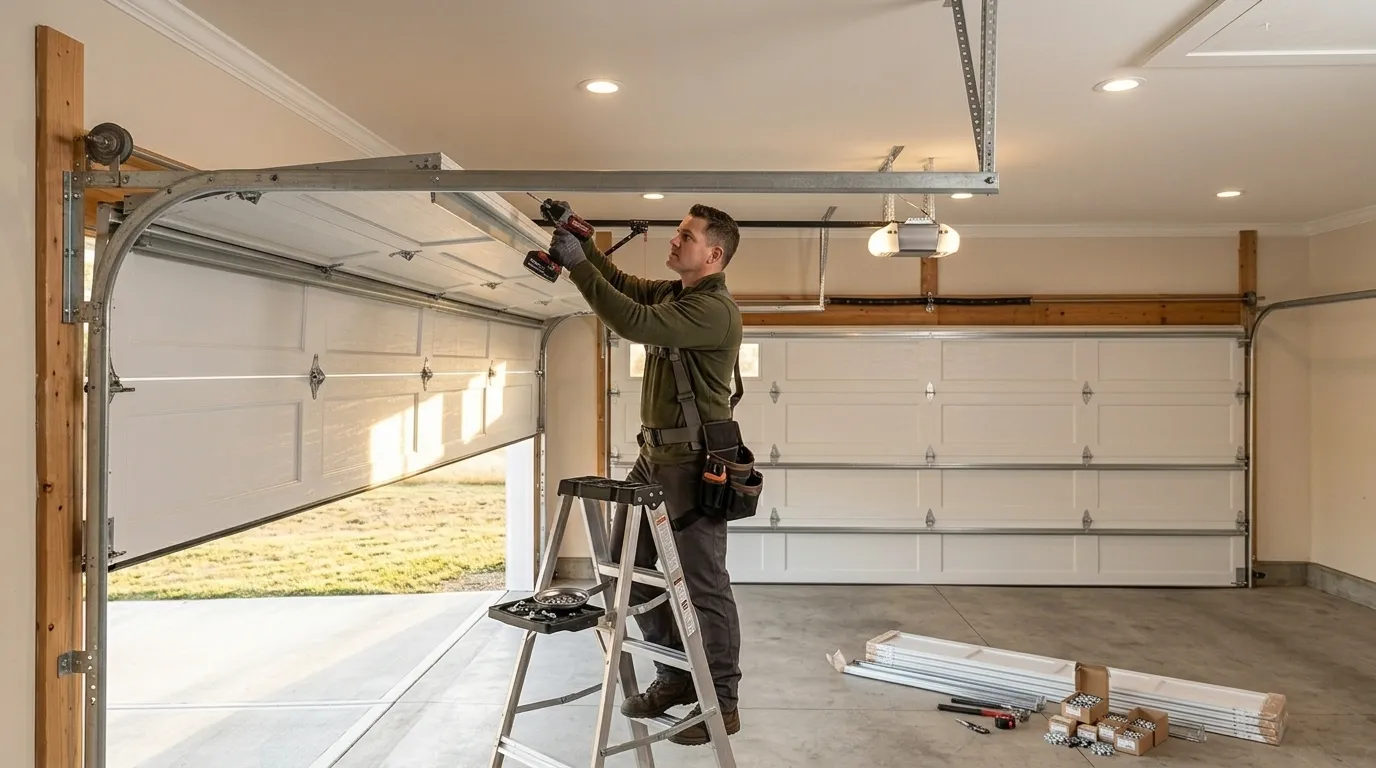
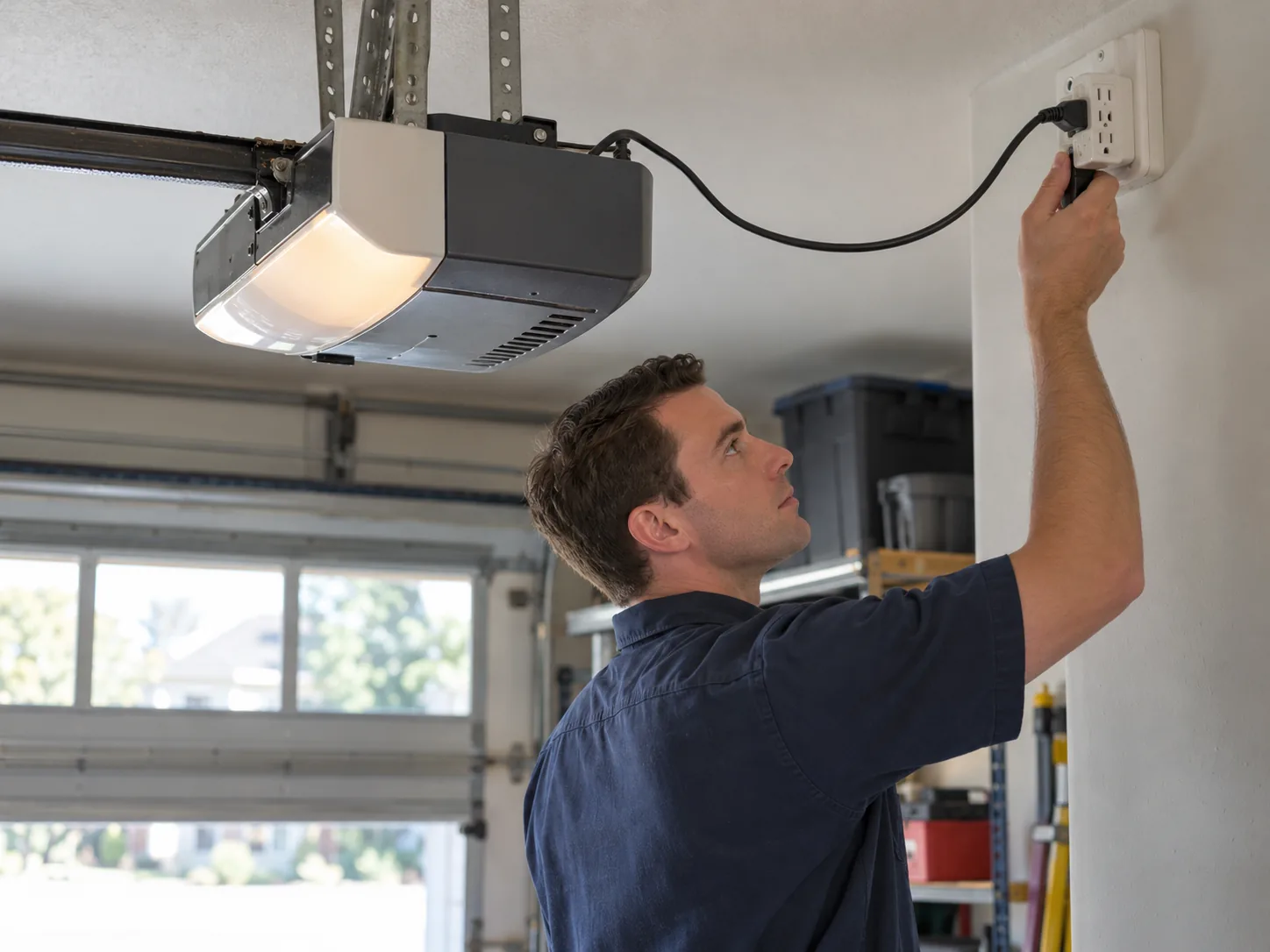
Openers installed years after the original home build can develop gear, motor, electronic, or control problems as they accumulate fifteen to twenty years of their own use.
Older steel or nylon rollers can become rough, noisy, or resistant after decades of travel through the track, which puts extra strain on the opener.
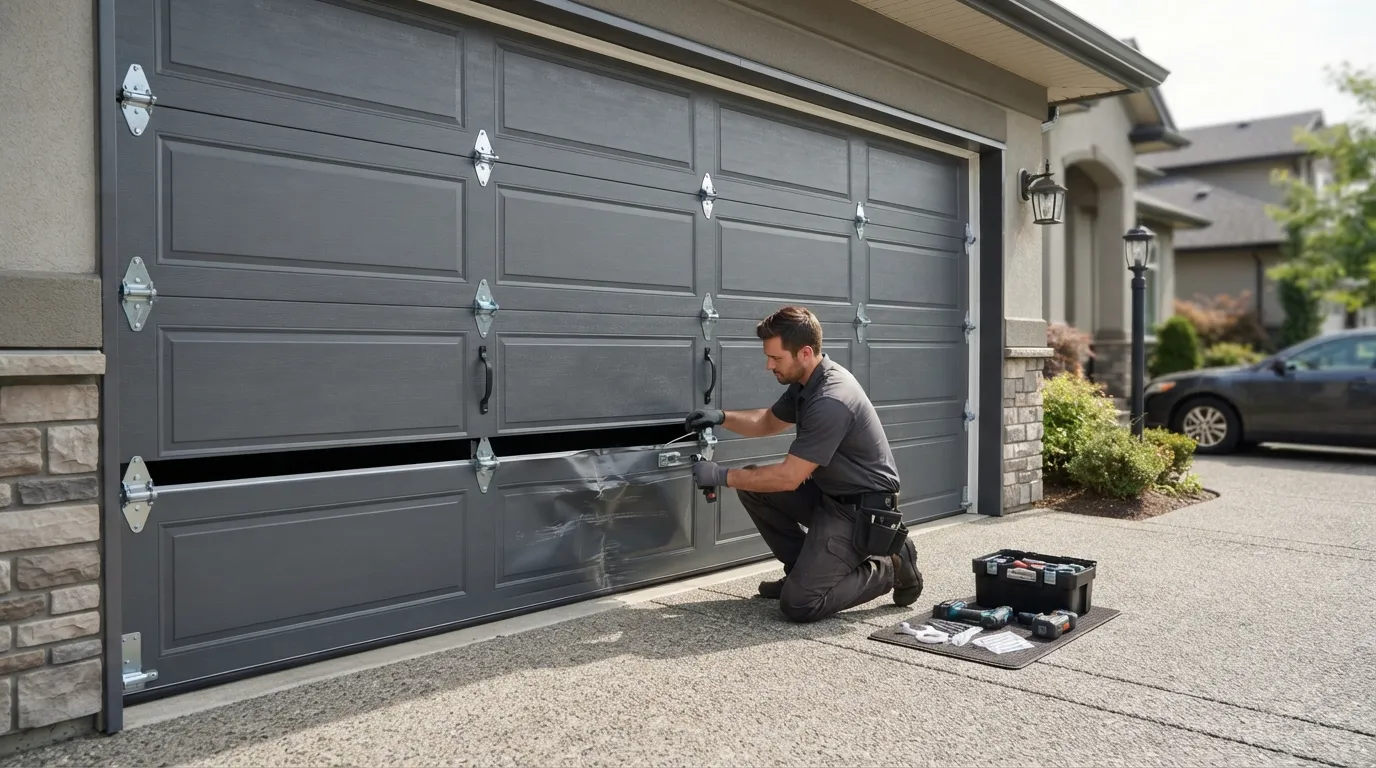
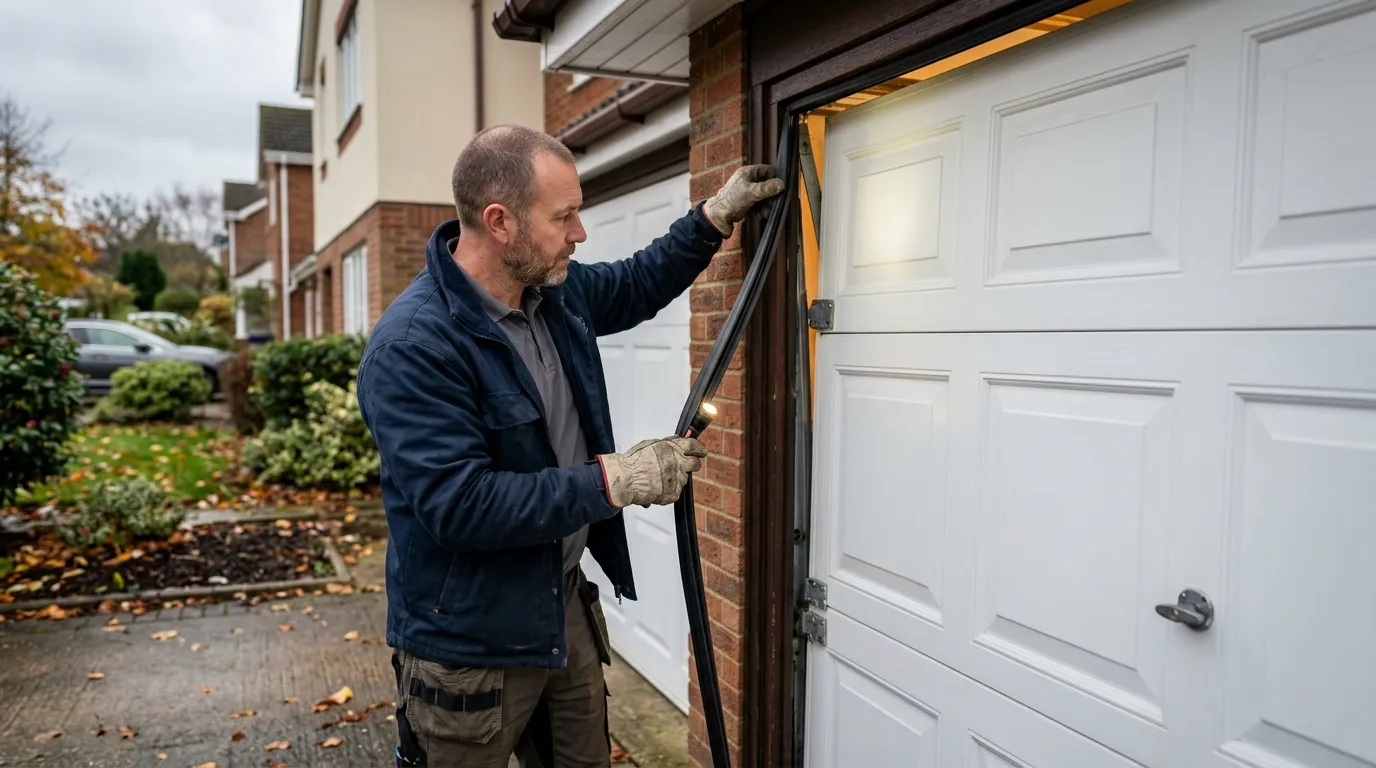
Track wear, mounting movement, roller damage, or impact can leave the door binding or moving unevenly, so the fix addresses the underlying cause.
Legacy spring, drum, cable, and track specifications can require different replacement components from newer residential doors, so the door gets measured first.
Seasonal garage door wear
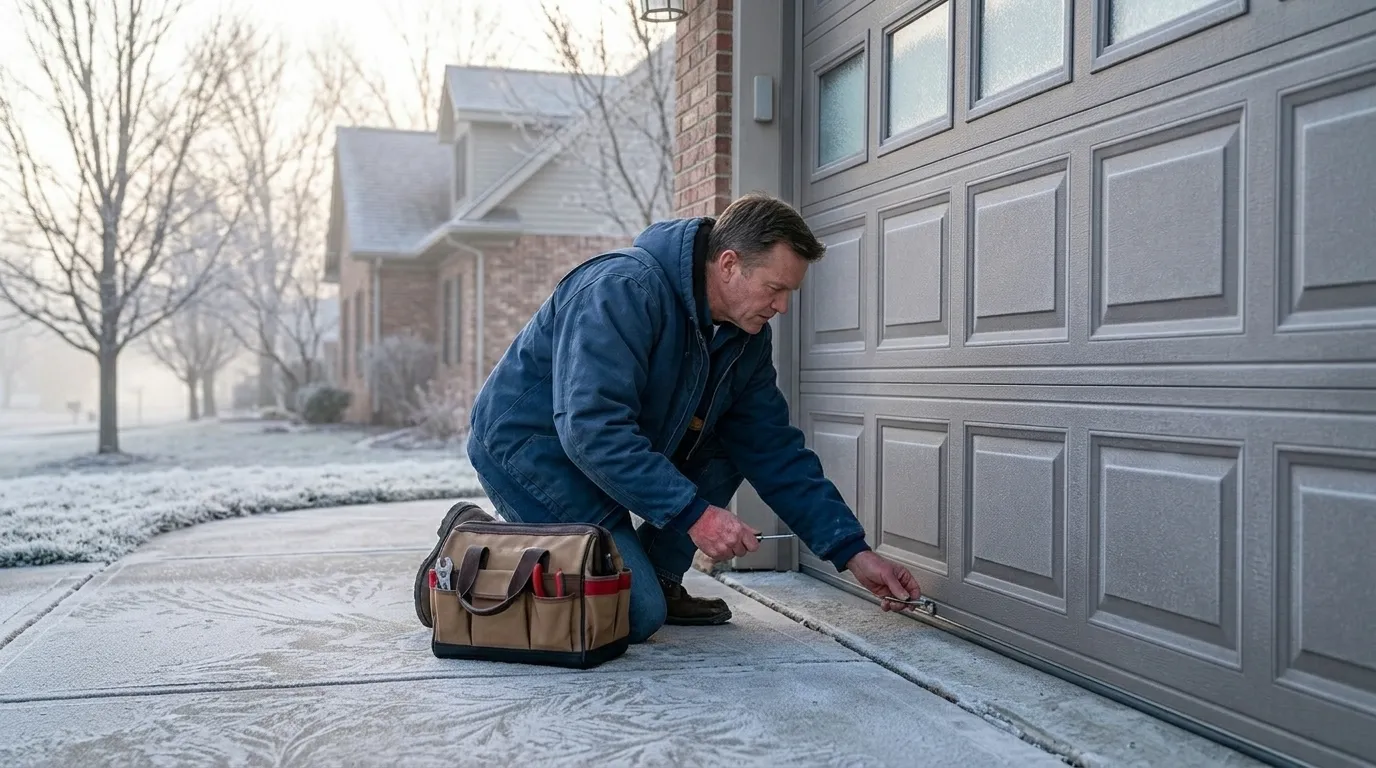
Naperville sits in a cold-moderate winter band, and seasonal cold can expose weakness in already-fatigued springs, rollers, tracks, lubrication, and other aging components.
Cold-weather operation can make existing weakness in an aging spring more noticeable, which is why a marginal spring often snaps on a cold morning.
Older rollers can move less smoothly when wear, lubrication, and colder operating conditions combine, leaving the door rough and loud.
Existing track wear or alignment problems can become easier to notice when the door is operating with additional winter resistance.
Older grease and lubricant can move less freely during colder periods and increase resistance through moving hardware until the door warms up.
Repair or replace?
A failed spring, roller, opener, cable, or track does not automatically mean the entire garage door needs replacement. The decision changes when panels, tracks, or other major structural components are too deteriorated for another repair to hold.
A targeted repair can make sense when the door, tracks, panels, and surrounding hardware remain structurally sound. One failed part is no reason to replace a solid door.
An aging opener can still be repairable when compatible gears, electronics, or drive components are available rather than discontinued.
Replacement becomes more practical when the door structure itself is damaged enough that new hardware won't hold it square.
When essential older components are difficult to source, broader replacement can be more practical than repeatedly adapting obsolete parts.
Local housing matters
Naperville's broader source service area spans housing built from 1938 through 2003, with a median build year around 1976.
Much of the service work comes from 1960s- and 70s-era homes, where doors can retain older spring, track, roller, cable, and panel configurations.
Homes from the 1980s and 90s are more likely to use steel sectional doors, improved insulation, and opener systems closer to current residential designs.
Across the broader area there are approximately 488,532 households and 244,587 owner-occupied houses.
The house's build era provides useful context, but the correct repair still depends on the hardware currently installed.
Multiple generations of garage doors
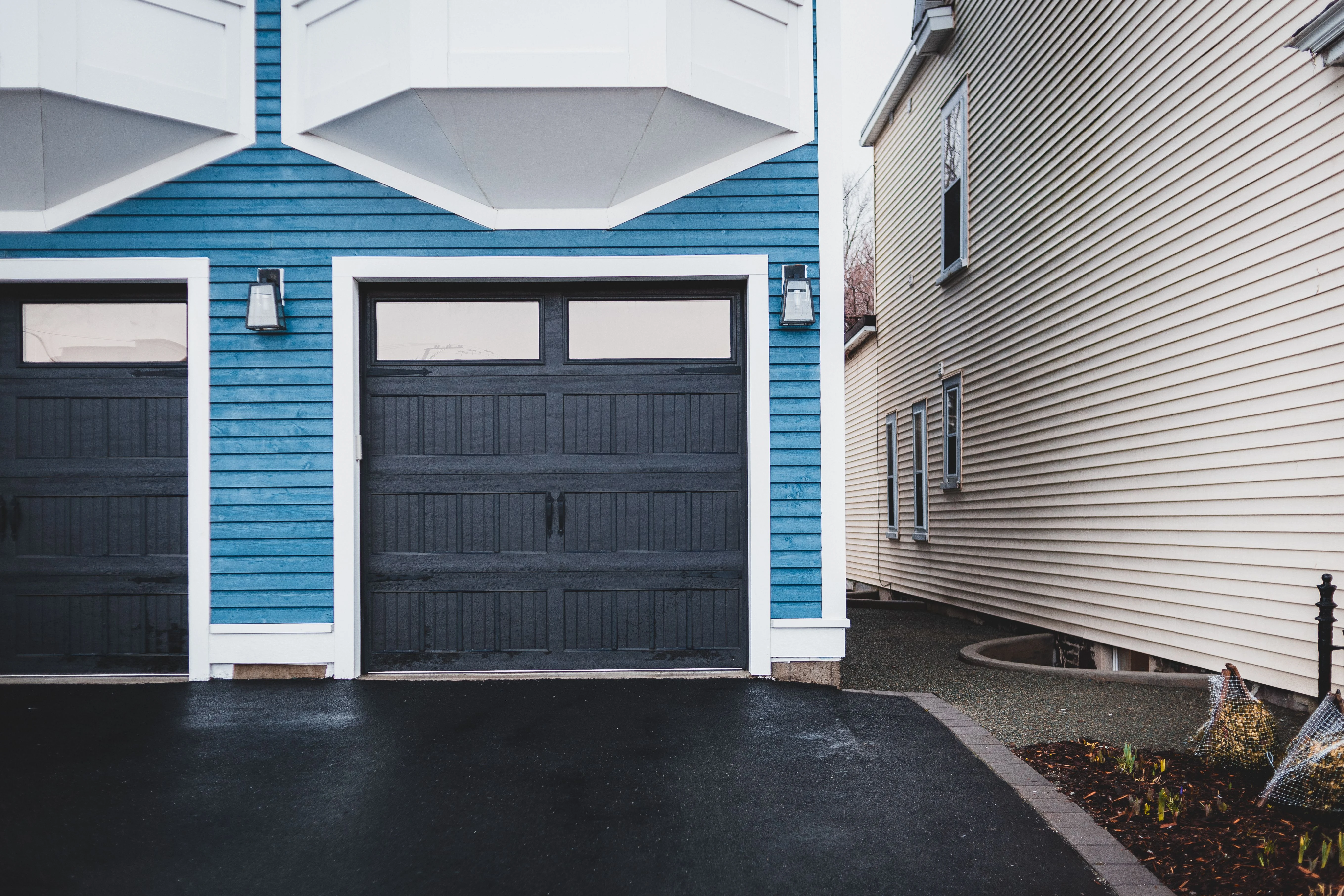
Homes spanning 1938 through 2003 create several generations of springs, drums, rollers, tracks, openers, panels, and replacement hardware across the same service area.
Earlier doors can use torsion or extension spring configurations that differ from later residential systems, so the replacement spring is matched to the door.
Decades of use can leave older steel rollers, tracks, brackets, and mounting hardware with accumulated wear that shows up as noise or binding.
A 1960s or 70s home may already have an opener installed decades after the original garage door system, leaving a mix of hardware generations.
Later homes are more likely to use insulated sectional steel doors and opener systems closer to current designs, which call for correctly sized parts.
Built around existing Naperville homes
The correct repair depends on the springs, cables, rollers, tracks, opener, panels, drums, and previous work actually installed on the door today — not a generic national parts list.
Older spring, drum, cable, and track specifications can differ from current residential parts, so the door is inspected before anything is ordered.
If the structure remains solid, targeted spring, roller, track, cable, or opener repairs can still make practical sense rather than a full replacement.
Noise or uneven movement can come from rollers, tracks, springs, opener settings, or several components working together, so the whole system is checked.
If an older or discontinued component requires sourcing, the repair timeline should reflect actual availability rather than an optimistic guess.
Service areas
Questions
It depends more on condition than a single cutoff year. A 1970s door with a solid frame and just a worn spring is usually worth repairing. One with warped panels, rusted-through track, or a housing that's been patched more than once is often better replaced. We'll tell you which one you've got when we're there, not before.
We carry the common torsion and extension spring sizes and track hardware for that era since it's what most calls in this area involve. Some discontinued specs on older builds do take longer to source, and we'll tell you upfront if that's the case rather than guess at a timeline.
Naperville sits in a cold-moderate climate band, and steel springs get more brittle as temperatures drop. A spring that's already near the end of its cycle life is far more likely to snap on a cold morning than during summer, which is why winter is our busiest season for spring calls.
Most of our work is repair and replacement on houses that already have a door in place, since that's the bulk of what this area's housing stock - built between 1938 and 2003 - actually needs. New-construction installation isn't the main focus of what we do.
Ready when you are
Tell us what the door is doing and we'll help you figure out whether you're dealing with a spring, roller, track, opener, maintenance issue, aging hardware, or a door that's reached the point where replacement makes more sense.