Commercial Garage Door Repair & Installation in Naperville, IL in Naperville

Naperville, IL

Commercial Garage Door Repair & Installation in Naperville, IL

Commercial garage door repair, installation, and tune-ups for offices, warehouses, and retail buildings across Naperville, IL and the wider service area.

Serving Naperville, ILBackground-checked techsHonest, upfront pricingFast local response
1938–2003
Typical build years of local homes
1976
Median year homes were built
1 visit
Most repairs finished same visit

Local causes

What Causes It Around Here

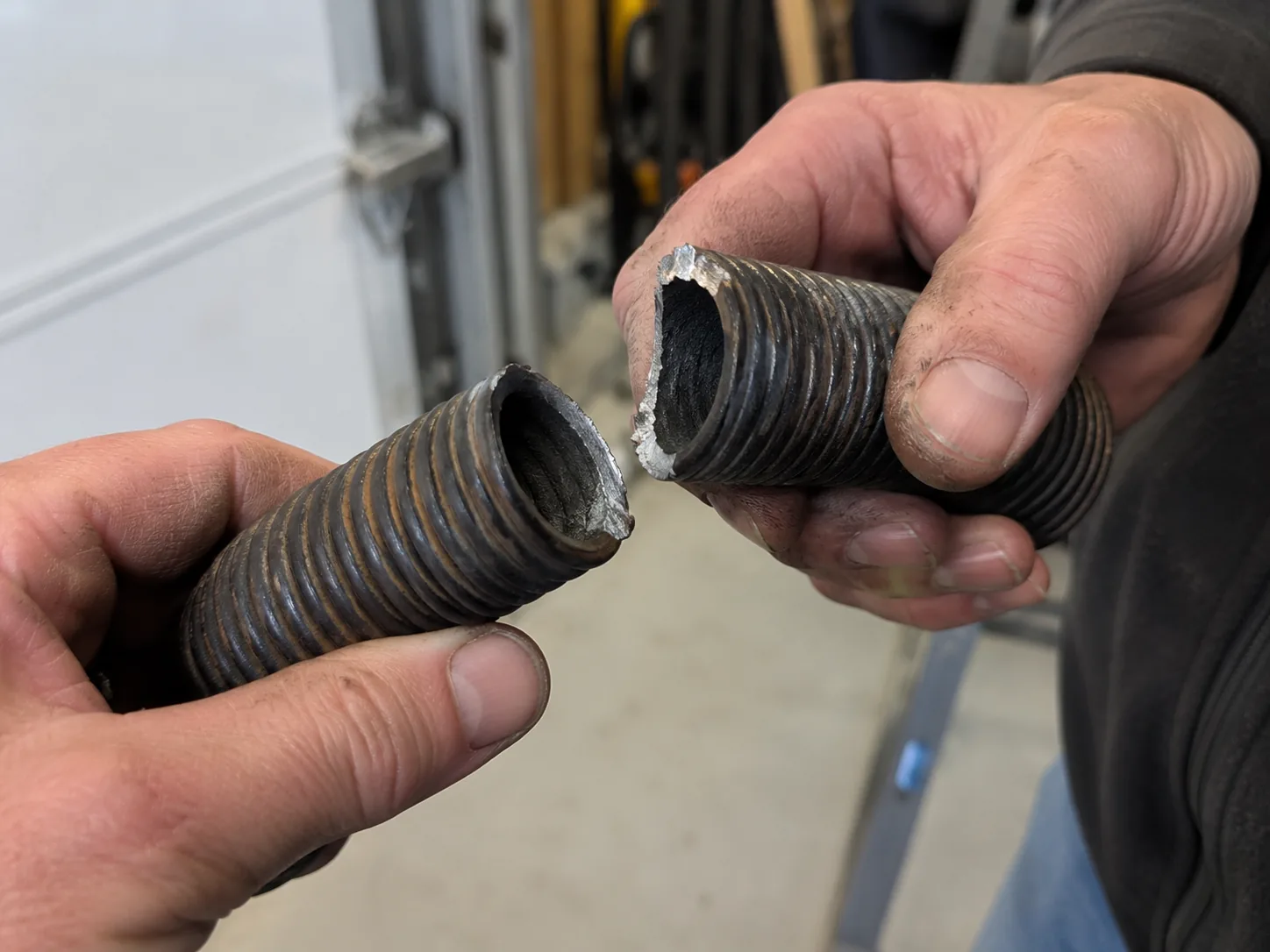
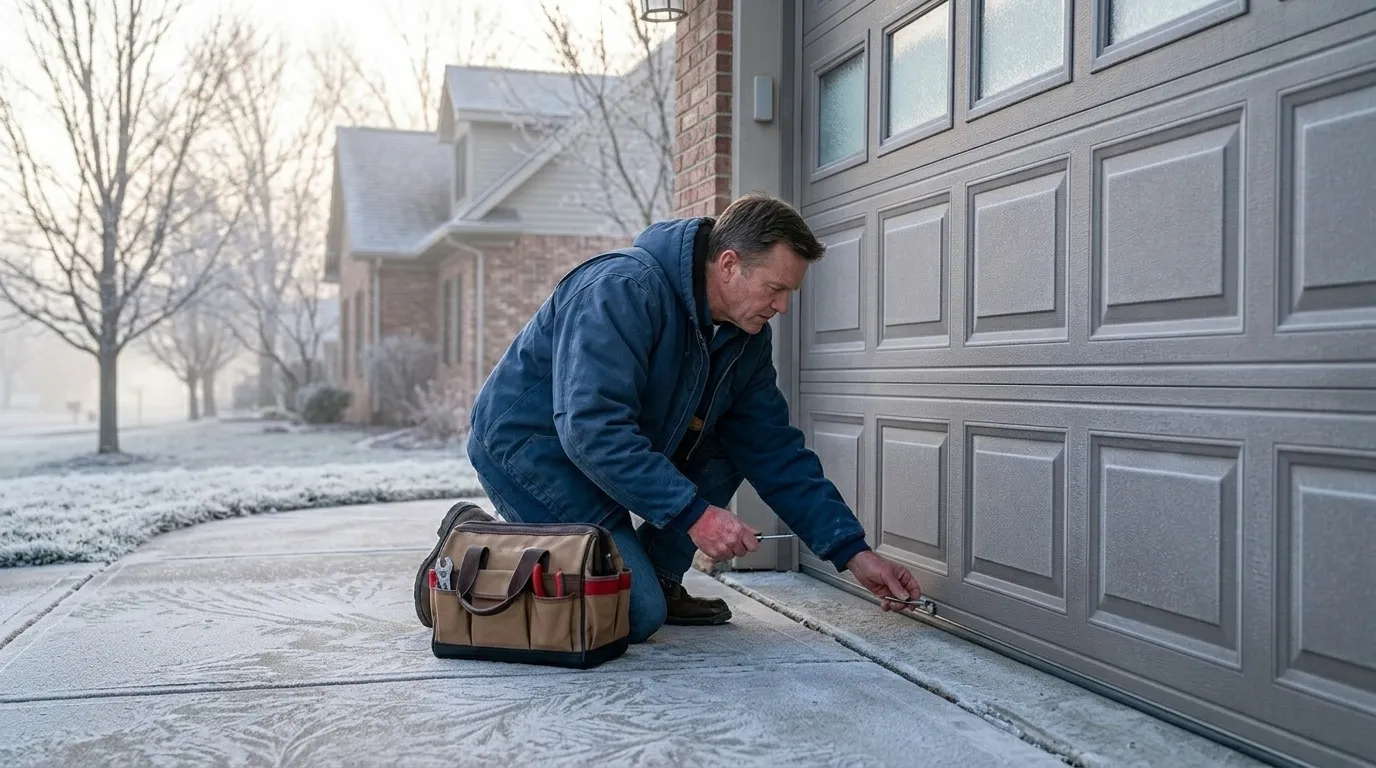
Most of the housing in this stretch of the Chicago suburbs went up between 1938 and 2003, with the median build year landing around 1976. The commercial corridors that filled in alongside it - the office parks, self-storage yards, warehouses, and strip retail behind them - carry a lot of the same first-generation steel sectional doors, roll-up track, and chain-drive commercial openers from that era. None of that hardware was built for the cold this area sees every winter. A steel panel that spends December swinging between a heated bay and single digits outside develops joint fatigue at the hinges faster than a residential door ever does, just from the size and weight of the panel. Torsion springs on a 10-foot or 12-foot commercial door carry a lot more tension than a two-car residential spring, and cold makes that steel brittle enough that a fatigued spring is more likely to let go on a January morning than a July afternoon. Track alignment drifts too - concrete slabs in older commercial buildings heave slightly with the freeze-thaw cycle here, and a door that was plumb in the fall can start binding on the rollers by February. It's not dramatic. It's slow wear that shows up as noise, then as a door that won't close all the way, then as a call.
What Causes It Around Here

Booking

Booking a Visit

For a commercial account, the first thing that matters is whether the door still moves at all, since that determines how fast we need to get there. Tell us what's happening and we'll walk through the door type, the bay count, and your address so the right crew and parts show up the first time.

  1. Tell us the urgency

    A dock door stuck open is a security and heat-loss problem the same day, so that call usually gets priority treatment on our schedule. A door that's just noisy or slow can typically wait for a scheduled slot without shutting the building down.

  2. Describe the door and drive

    Tell us the door type - sectional steel, rolling steel, or a high-speed fabric door - and whether it runs on a chain hoist, a jackshaft operator, or a wall-mounted opener, because the parts and the crew we send depend entirely on that combination.

  3. Tell us the bay count

    We also want to know if the building has one bay or a bank of several, since a warehouse with six dock doors on the same schedule is a very different job than a single overhead door on a retail unit.

  4. Give us the address

    We work across the Naperville area and the towns around it, so give us the address up front and we'll tell you honestly whether it's same-week or needs a longer lead time. That's especially true for parts that aren't off-the-shelf sizes on older commercial hardware.

Warning signs

How It Shows Up

On a commercial door, trouble rarely starts as a door that won't open. It starts as a grinding sound on the way up, a door that hesitates or reverses on its own partway through a cycle, or a panel that visibly bows at the bottom track when the wind picks up.

Curtain drifting out of the guide

On rolling steel doors, the tell is usually a curtain that doesn't sit flush in the guide anymore, which is what happens when the track has shifted with the slab underneath it. If a commercial door is reversing under the safety sensor for no visible reason, that's usually an alignment issue rather than a sensor problem, nine times out of ten.

Clunk from a fraying cable

On sectional doors with a jackshaft or chain operator, listen for a clunk right at the top or bottom of the run - that's usually a cable starting to fray or a spring that's lost tension unevenly on one side.

Cold weeks make it worse

In cold weeks, expect more of this: a door that worked fine at 50 degrees can suddenly bind or stall once overnight temperatures drop into the teens, because clearances that were fine in warm steel tighten up in contracted steel.

DIY or pro

Doing It Yourself

There's real maintenance an owner or facility manager can do without calling anyone, and doing it regularly heads off a lot of the wear that turns into an emergency call. Here's what's safe to handle yourself, and where a commercial door crosses into technician-only territory.

Routine cleaning and lubrication

Wipe down and lubricate the rollers and hinges on a sectional door every few months with a light lithium grease, not WD-40, which dries out and attracts grit. Check that the bottom seal on a dock door is still making full contact with the slab, since a gap there is where most of the heat loss and debris comes in.

Watch cable ends for fraying

Look at cable ends for fraying where they clamp to the bottom bracket, since that's an early warning sign before a cable actually parts. Catching that early is one of the easiest ways to avoid a stuck-open door turning into an after-hours emergency call.

Leave springs and jackshaft adjustments to us

What you should not do on a commercial door is touch the torsion springs - a commercial spring under tension can put someone in the hospital, and it's not a job for a set of vise grips and an afternoon. The same goes for jackshaft operator adjustments; if the door isn't balancing right, that's a technician call, not a trial-and-error project.

Some older hardware needs a lead time

We'll say plainly that some older commercial track hardware isn't stocked anywhere locally anymore. On jobs like that, the honest answer is a lead time for parts, not a same-day fix, and we'd rather tell you that upfront than promise something we can't deliver.

Questions

Common questions

Do you work on rolling steel doors, not just sectional?

Yes. We work on rolling steel curtain doors, sectional steel doors, and high-speed fabric doors used on commercial buildings. The hardware and the failure points differ between them, so tell us which type you have when you call so the right parts come out on the truck.

How fast can you get to a warehouse with a stuck dock door?

It depends on whether the door is a safety or security issue right now versus something you can schedule around. A door stuck open on an active dock usually gets priority. Give us the address and the situation and we'll tell you honestly where that lands on the schedule that week.

Why does our commercial door act up more in winter?

Cold steel contracts, tightening clearances that were fine at warmer temperatures, and commercial springs under heavy tension get more brittle as it gets colder. That combination is why a lot of commercial door calls across this area cluster in the coldest weeks of the year rather than spreading evenly year-round.

Is it worth repairing an old commercial door or replacing it?

That depends on the door's age and how many separate systems are failing at once. If it's just a spring or a cable, repair almost always makes sense. If the track, the panels, and the operator are all past their working life together, replacement usually costs less over time than repeated repair calls.

Ready when you are

Need a garage door sorted in Naperville?

Naperville Garage Door Pros repairs and installs garage doors, springs and openers in Naperville, IL and the surrounding area.

Call Now(331) 297-2514