North Riverside, Naperville IL
Garage Door Help for North Riverside's 1950s Housing Stock
Naperville Garage Door Pros drives 18 miles to North Riverside for doors from the 1950s era. We know the springs and hardware that come with houses this old.
Local detail
What Was Built Here
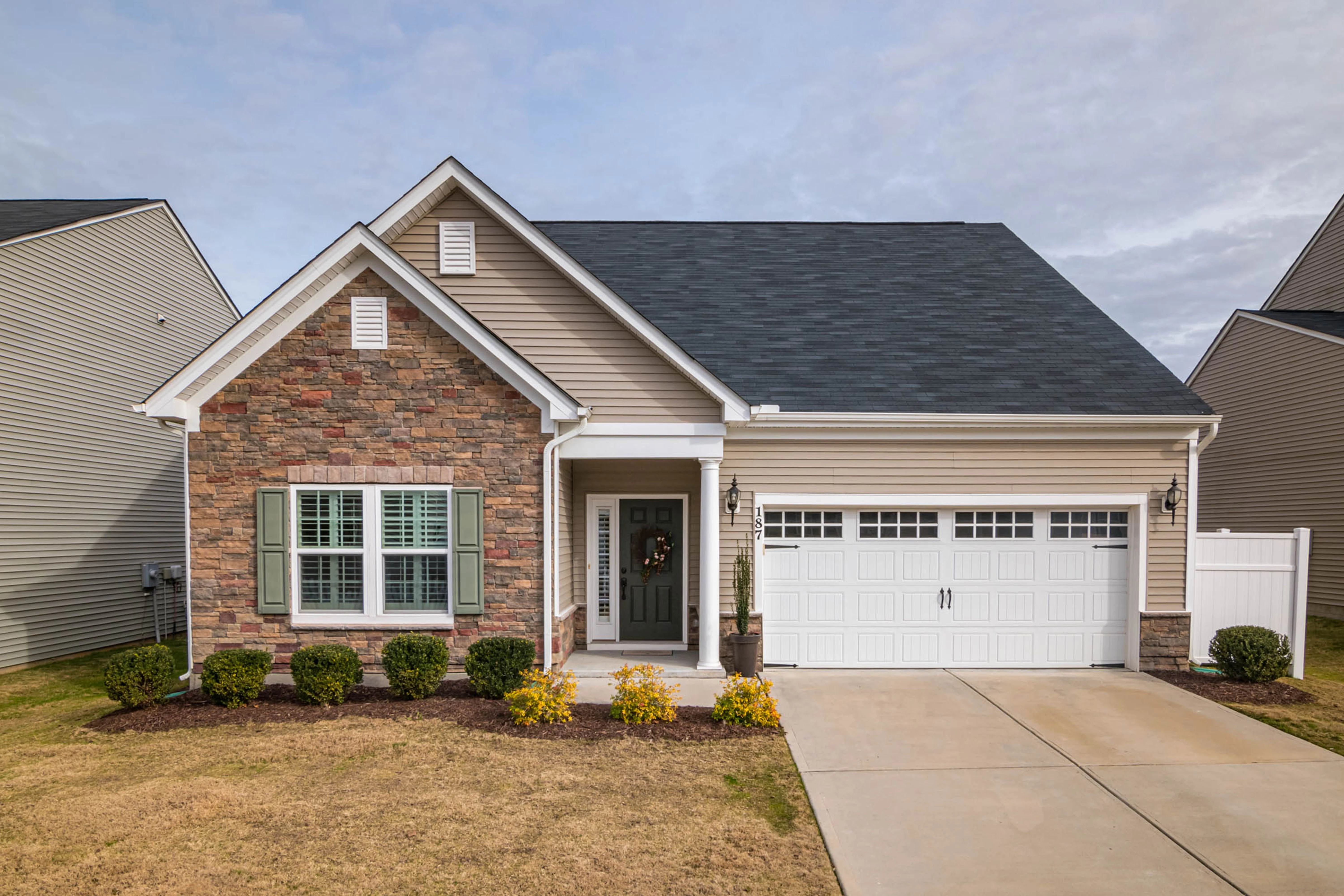
North Riverside's houses cluster around a median build year of 1955, which puts this pocket well ahead of the broader service area's 1976 median. That two-decade gap matters more than it sounds. A house built in 1955 was framed before the garage door industry standardized on the wide steel sectional doors and torsion-spring setups that came later. Across the wider area, most homes date from the 1960s and 70s, but North Riverside skews older still, meaning more original garage openings, more narrow single-car bays, and more hardware that was never meant to hold a modern insulated door.
With 2,941 households in this pocket, it's a small but consistent slice of older construction we see calls from. The homes here were built for the extension-spring era, before torsion springs became the default in most new construction. That's not a knock on the houses - they're solid - but it means the garage door system bolted onto them is often original architecture even if the door face has been swapped once or twice since.
The area
What That Means for Doors
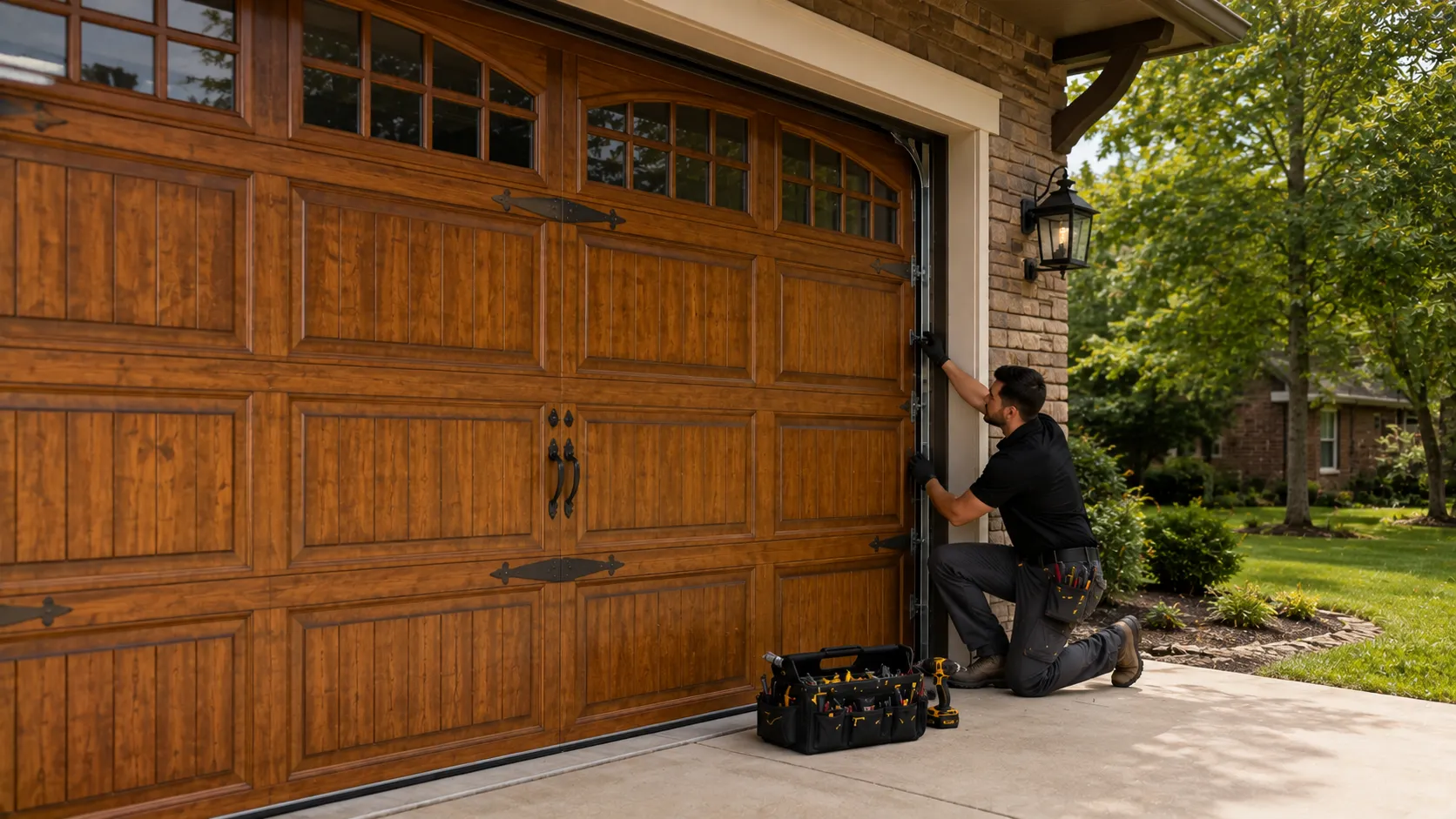
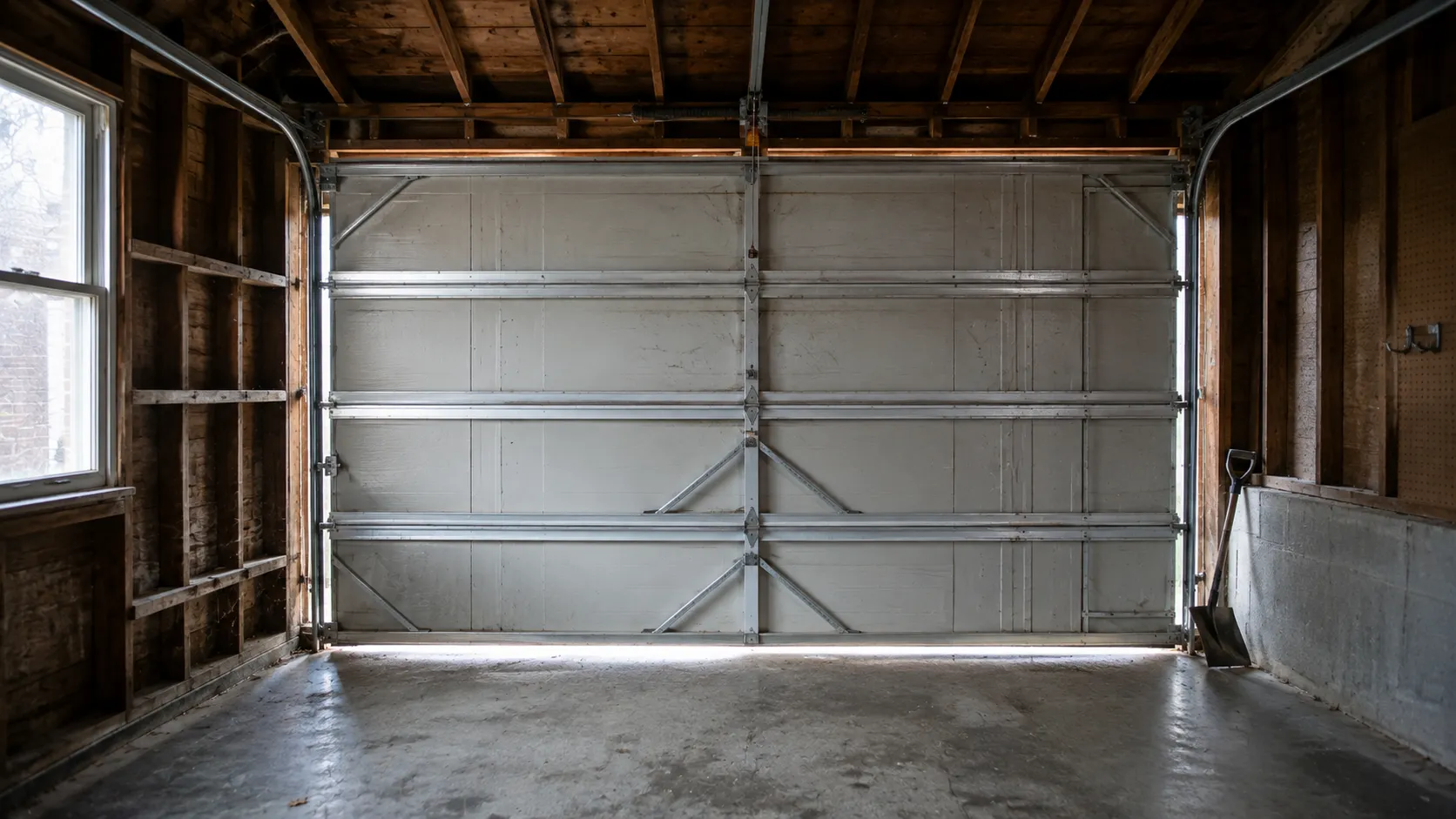
A house from 1955 usually has a narrower garage opening than what gets built today, and the track and spring hardware sized for it doesn't always match what shows up on a big-box replacement door. We see extension springs stretched along the horizontal tracks rather than torsion springs over the header - a setup that was standard for the era and still works fine, but wears differently and fails differently than newer systems. Rollers on these older tracks tend to be steel rather than nylon, which means more noise and more friction as the metal ages.
The area sits in a cold moderate climate band, so temperature swings on original steel doors without much insulation cause more warping and seal failure over the decades than you'd see on a newer, better-insulated panel. None of this means the door is a lost cause - a lot of 1950s hardware just needs the right-sized replacement part, not a full teardown. But it does mean a tech showing up expecting standard modern parts can waste a trip if they don't already know this pocket runs older stock.
What we find
How We Get to You
We run out of Naperville, and North Riverside sits about 18 miles from there. There's no local depot or drop-in storefront here - every job means a truck making that drive, which is worth knowing before you call expecting a same-hour walk-up. We don't sugarcoat that distance; it's real, and it's the honest limitation of covering a service area this wide.
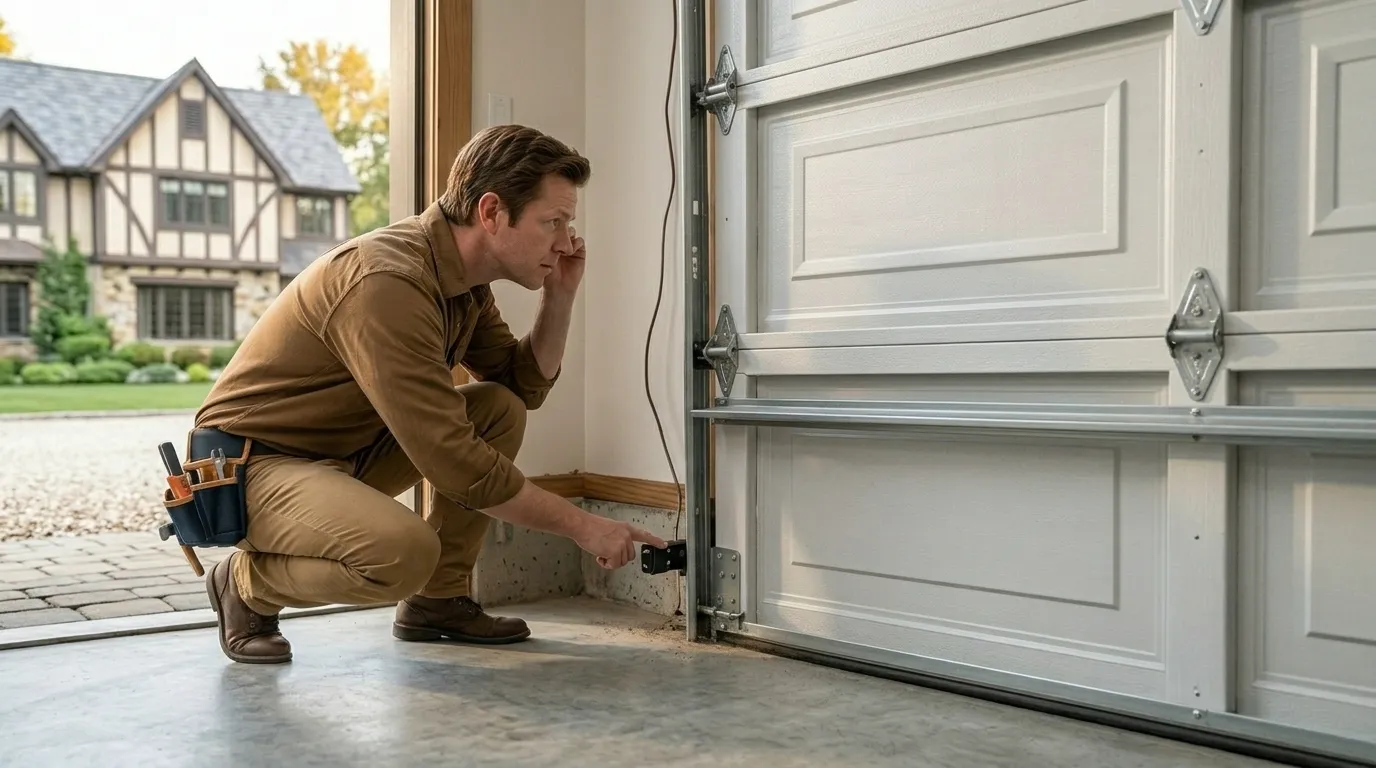
What it does mean is a tech who's seen the older extension-spring setups common to houses like these, not someone guessing at parts on-site. The area's median household income of $80,753 runs a bit under the broader service area's $99,525, which we mention because it shapes how we quote repairs - we'd rather point out when a $40 roller fixes the noise than push a full opener swap that isn't needed yet.
How we work
What People Here Ring About
The calls that come out of this pocket lean toward the stuff original hardware throws at you after seventy years: a stretched extension spring that's lost its tension, steel rollers that have worn their track grooves wide enough to rattle, and door panels that have started separating at the seams from decades of temperature swings in a cold moderate climate. We also hear from owners who replaced the door face at some point but kept the original track and spring assembly, which sometimes fights the newer, heavier panel.
It's a smaller pocket - under 3,000 households - so the call volume isn't huge, but the pattern is consistent enough that we don't walk in guessing. One thing we won't do is push a full system replacement on a door that just needs its extension springs swapped; if the track and opener are sound, we say so.
Service areas
Other areas we cover near North Riverside

Questions
Common questions
Why do garage doors in North Riverside act different from newer parts of the area?
Most homes here date to around 1955, well before the newer construction that makes up much of the wider service area (median 1976). That means extension springs on horizontal tracks rather than torsion springs, steel rollers instead of nylon, and openings sized narrower than modern standard doors - all of which age and fail differently.
Do you have a shop or depot in North Riverside?
No. We work out of Naperville, about 18 miles away, and every job here means a truck making that drive. There's no local walk-up counter, so plan around that when you're scheduling rather than expecting a same-hour drop-in.
Should I replace my original 1950s garage door or repair it?
Depends what's failing. If the track and opener are sound and it's just a stretched spring or worn roller, repair is usually the better call. If the panel itself has separated at the seams from years of temperature swings, replacement often makes more sense than patching an aging door face.
Are parts for older extension-spring setups hard to find?
Not impossible, but they're less common on a standard truck stock than torsion-spring parts, since most newer installs use torsion systems. It sometimes means a tech identifying the right part before the job can be finished in one visit.
Ready when you are
Need a garage door sorted in Naperville?
Naperville Garage Door Pros repairs and installs garage doors, springs and openers in Naperville, IL and the surrounding area.