Garage Door Service for Elmhurst Homes Built Around 1964 in Naperville

Elmhurst, Naperville

Garage Door Service for Elmhurst Homes Built Around 1964

Local garage door repair and service for Elmhurst, IL homes built mostly in the 1960s, covered by Naperville Garage Door Pros about 15 miles away.

Serving Naperville, ILBackground-checked techsHonest, upfront pricingFast local response

Job timing

Time on the Job

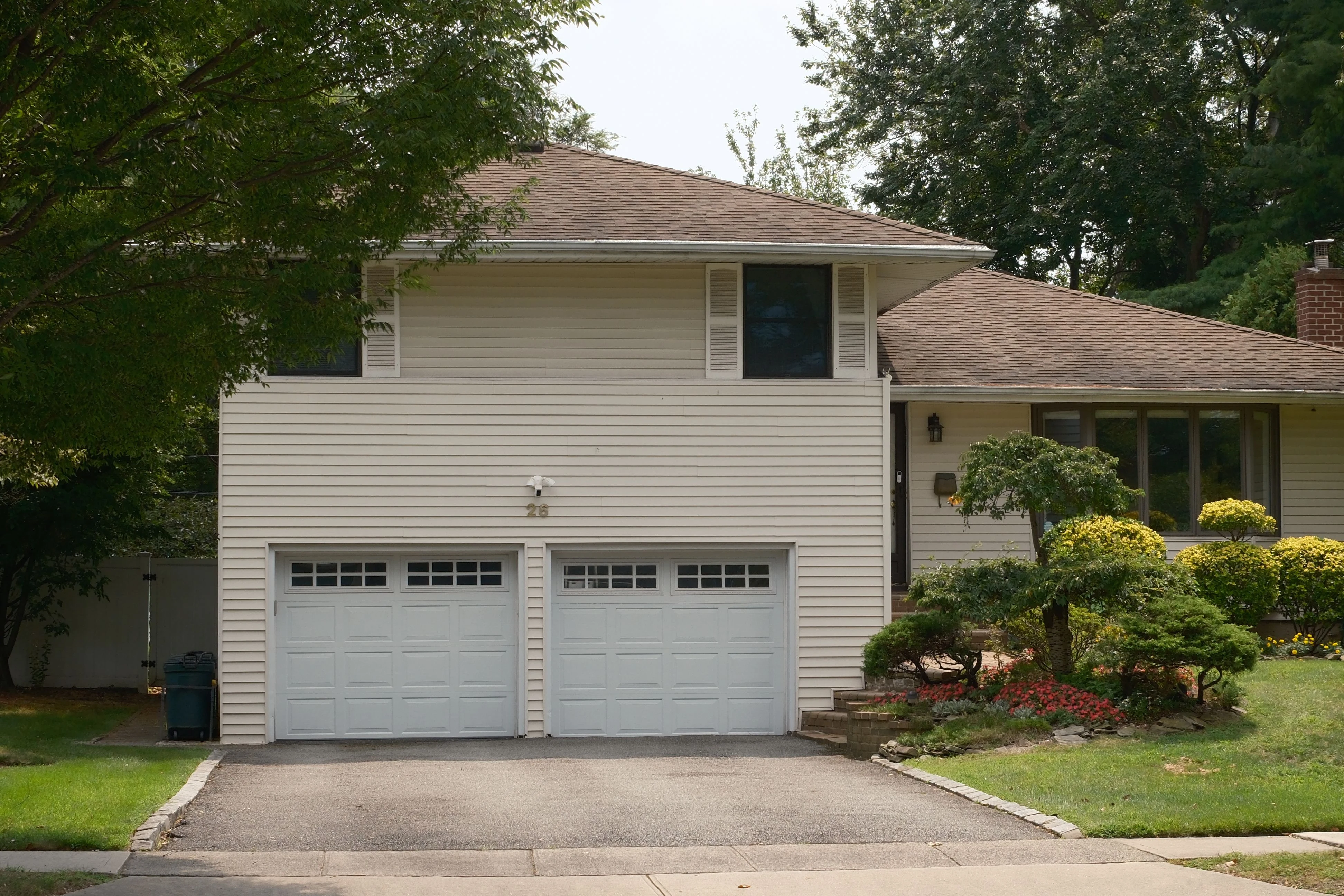
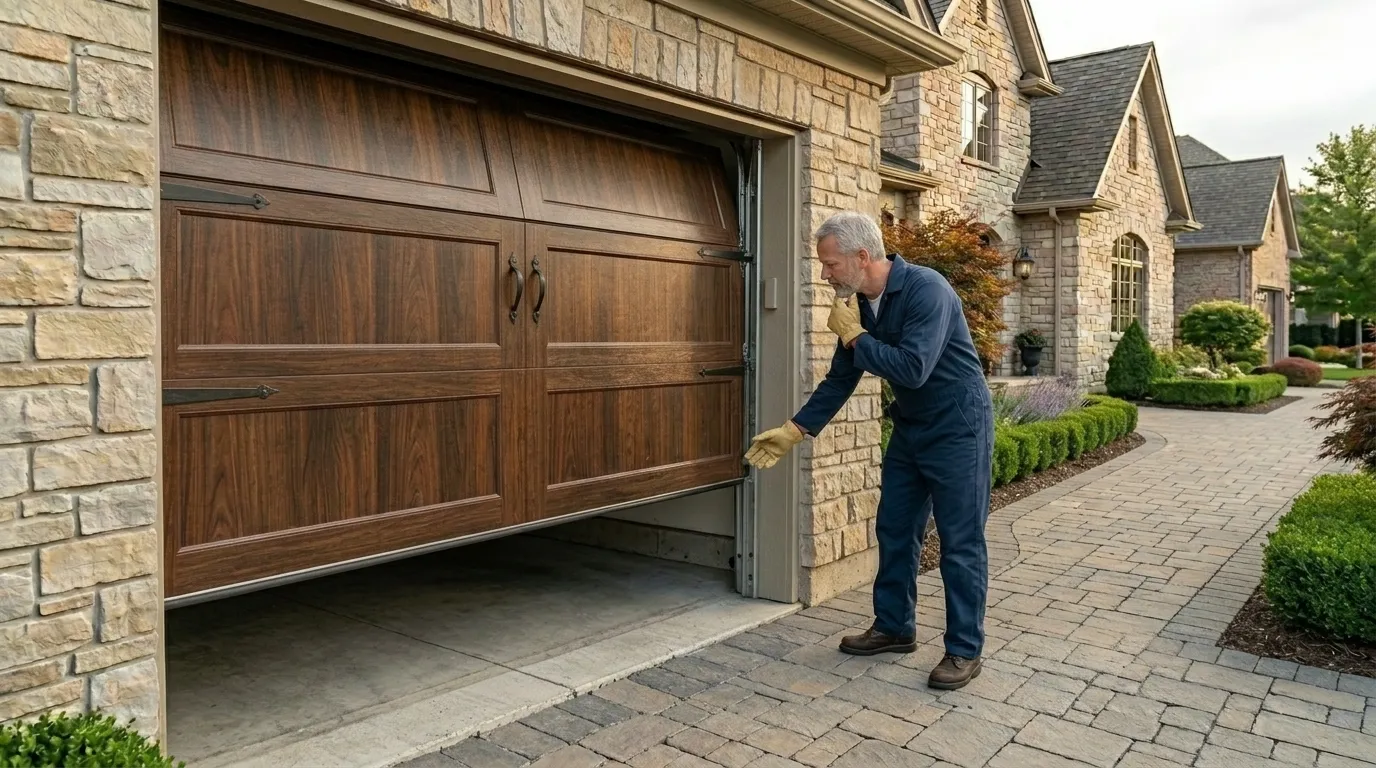
Elmhurst's housing stock centers on a median build year of 1964, a decade or so ahead of the 1976 median across the wider service area we cover. That gap matters more than it sounds. Doors going up in the early-to-mid 1960s came standard with steel-and-wood sandwich panels, single-torsion springs mounted on brackets that weren't always centered right, and openers - if a house even had one - on chain drives with no safety reversal sensors at all. A lot of that original hardware is still up. Not because anyone's been careless, but because a torsion spring on a well-built door from that era can run twenty, thirty years before it lets go, and a track that's never been bumped by a car doesn't need touching. When we get a call from this side of town, we're often looking at a door that's never been serviced since the house was built, on hardware nobody stocks new anymore. That's a different job than walking into a house from 1995 with a stamped steel door and a screw-drive opener. Same trade, different parts, different failure points. We show up ready for either, but the 1964-era door is the one where we bring extra bracket hardware because we already know what we're likely to find.
Time on the Job
Booking a Visit

Booking

Booking a Visit

We run out of Naperville, and Elmhurst sits about 15 miles out - the far edge of the ground we cover on a regular basis. That doesn't change the work once we're there, but it does change how we schedule it. We book Elmhurst visits as full stops, not quick add-ons between closer jobs, so we're not rushing a spring adjustment or an opener install to make the next appointment across town. We don't have a branch or a depot in Elmhurst - we're driving in every time - so we can't promise a same-hour arrival the way a shop with a local yard might. What we can do is give you a real window when you call and stick to it. If your door's making a specific noise or has stopped moving altogether, tell us that up front. It helps us bring the right spring size and bracket hardware on the first trip instead of a second one. With 16,863 households in Elmhurst, we're not the only ones on this side of the county calling around for a repair slot, so booking a day or two ahead when it's not an emergency gets you more choice on timing.

DIY or pro

Doing It Yourself

There's real DIY territory on a garage door and there's territory that isn't, and on a house from the 1964 wave the line matters more than usual because a lot of the hardware here has never been touched since the original build.

Routine checks that are fair game

Tightening a loose hinge screw, cleaning and lubricating rollers, and checking that the photo-eye sensors near the floor are aligned and not knocked out by a stray bike are all fair game, worth doing twice a year regardless of when your house was built.

Why the torsion spring isn't DIY

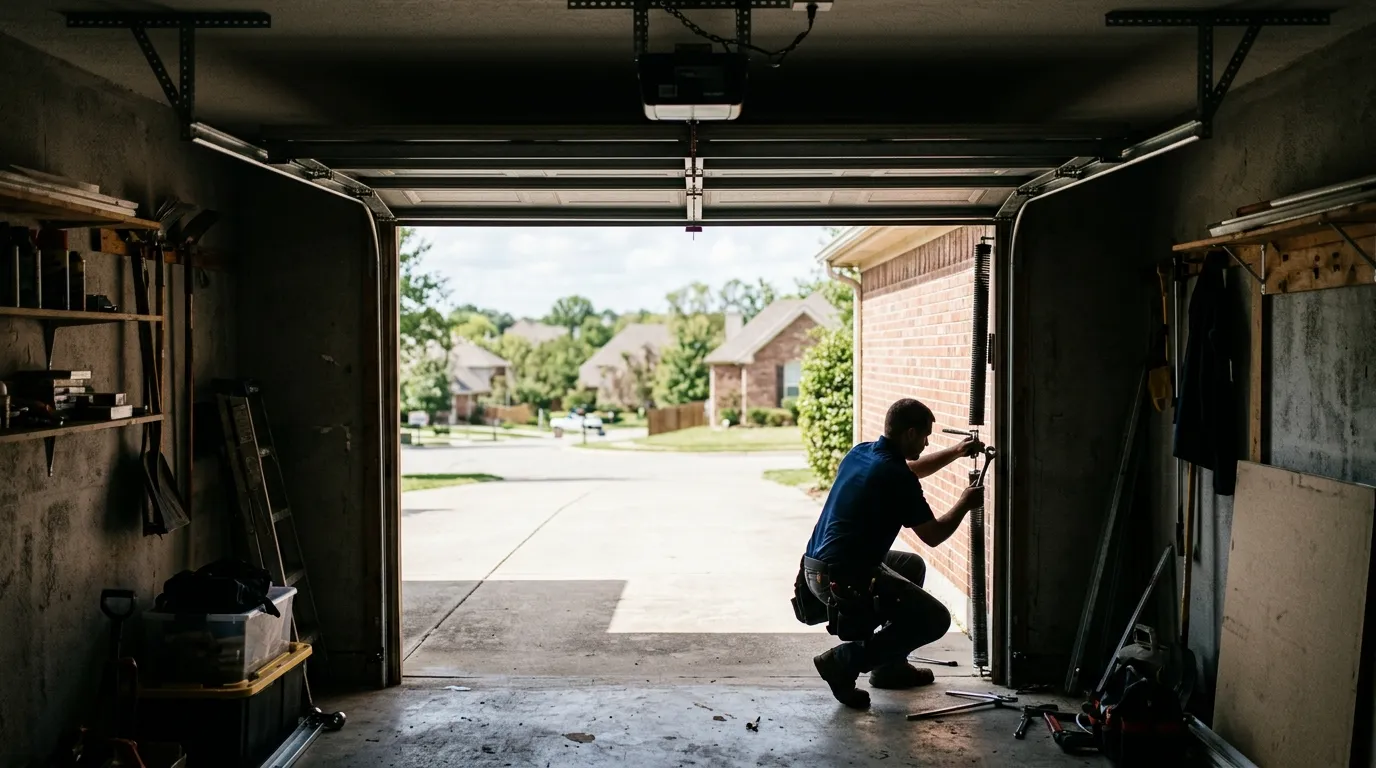
On a door from the 1964 wave especially, the torsion spring is wound to a tension that can break a wrist or worse if the winding bars slip, and a lot of these older units were installed with brackets that have never been re-torqued since the original build.

A heavy door is the spring talking

If your door feels heavy to lift by hand with the opener disengaged, that's the spring telling you something — don't force it, and don't have someone stand under it while you experiment. We'd rather get a call for a five-minute lubrication question than one after a spring job went wrong.

A bent track needs a swap, not tinkering

If the track is bent rather than just off its bracket, no amount of home tinkering straightens it back to true. That's a track swap, not an adjustment, and it's worth naming as its own limit separate from the spring.

Local causes

What Causes It Around Here

Elmhurst sits in the same cold-moderate climate band as the rest of the service area, which means real winter swings — hard freezes followed by thaw, repeated over months on hardware that's been cycling on the same rollers, cables, and spring coating for sixty years.

Sixty years of freeze-thaw cycling

On a door built around 1964, that freeze-thaw cycle has been running for sixty years on the same rollers, cables, and spring coating. Nylon rollers that were already original stiffen and crack in cold snaps, while steel rollers without nylon sleeves seize and start grinding a groove into the track.

Cable ends fray at the same flex point

Cable ends fray where they've flexed the same few inches thousands of times. None of this is unique to any one house — it's what cold-climate cycling does to any door — but it shows up earlier and harder on hardware a decade or more past its expected working life.

Older doors carry more weight

The other driver is simpler: weight. A lot of these older doors are heavier per square foot than a modern insulated panel door, so when a spring finally fatigues, it goes from 'a little stiff' to 'won't budge' faster than it would on a lighter modern door.

Our process

How We Fix It

Fixing a door like this starts with matching parts to what's actually installed rather than a generic size chart, since a 1964-era unit often runs bracket spacing and hardware that current stock doesn't assume by default — and each step below reflects that.

  1. Wind the spring to bracket spacing

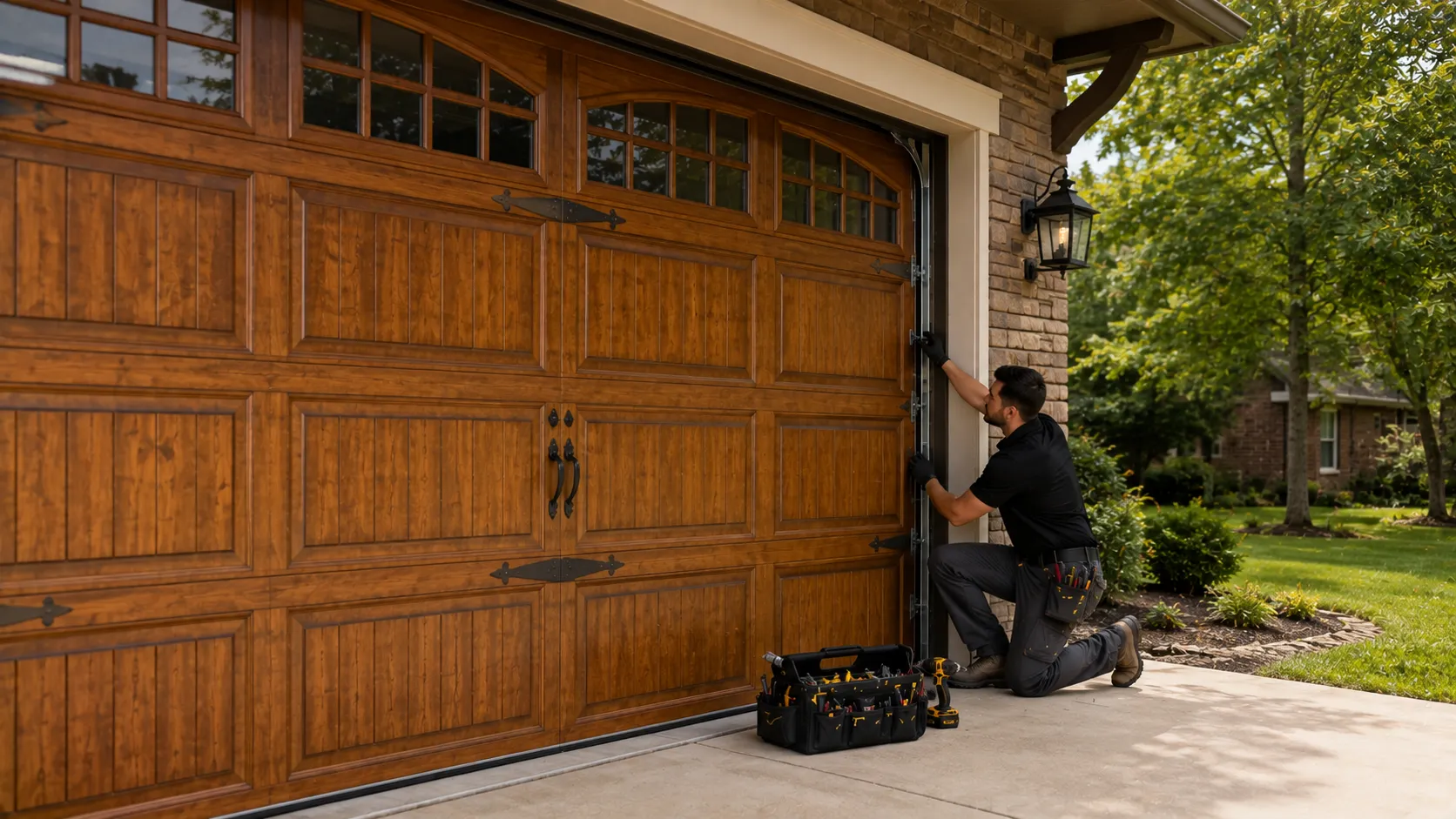
    We match the wire gauge and wind to the door's actual weight rather than guessing off a chart, then set the winding cones to the bracket spacing that's actually on the door — which on a 1964-era unit is sometimes narrower than what current doors use.

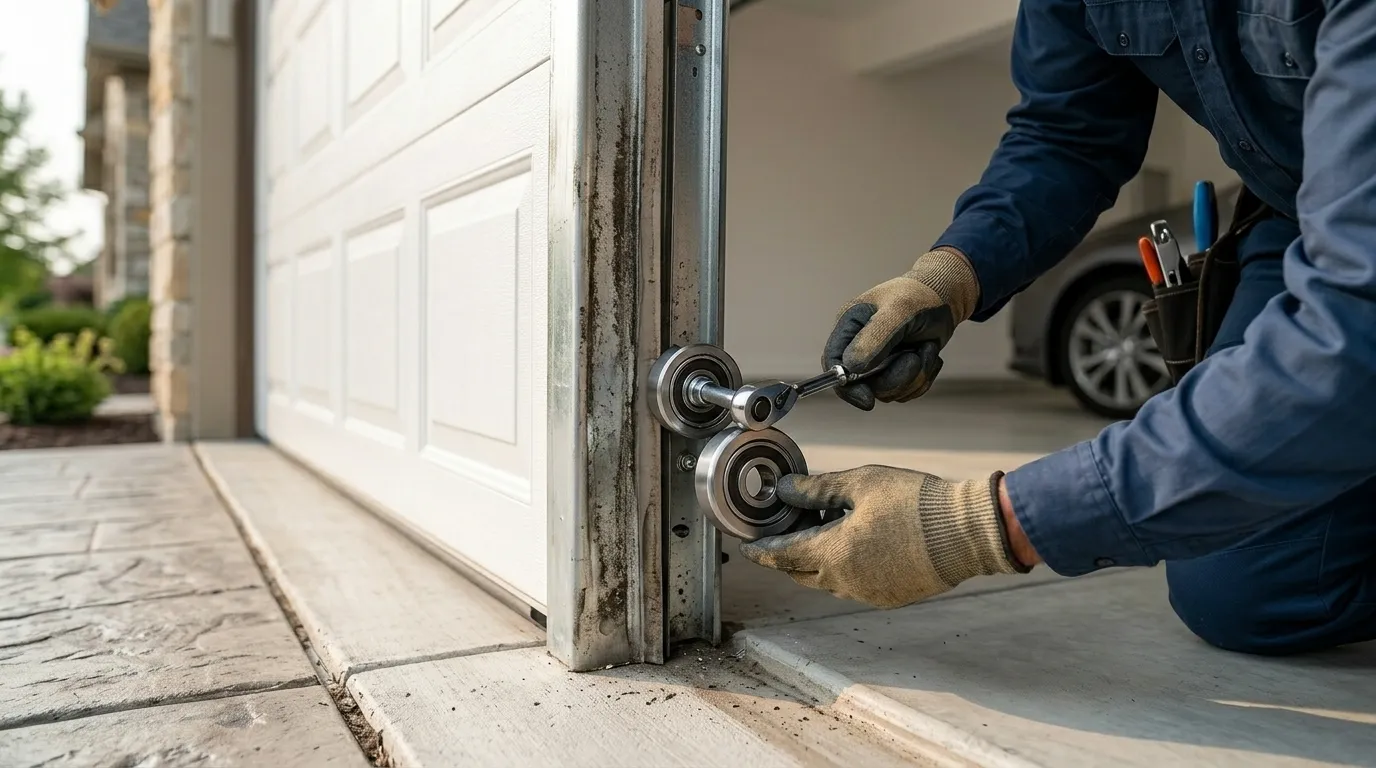
  2. Swap steel rollers for sealed nylon

    For rollers, we're replacing steel-on-steel with sealed nylon wherever the track profile allows it, which cuts the grinding noise that cold weather makes worse and removes a wear point that only gets louder with age.

  3. Replace cables as a matched pair

    Cable replacement is a full pair, not one side — a mismatched cable pair on an older door puts uneven load on a spring that's already carrying more weight than a modern door would ask of it.

  4. Flag outdated chain-drive openers

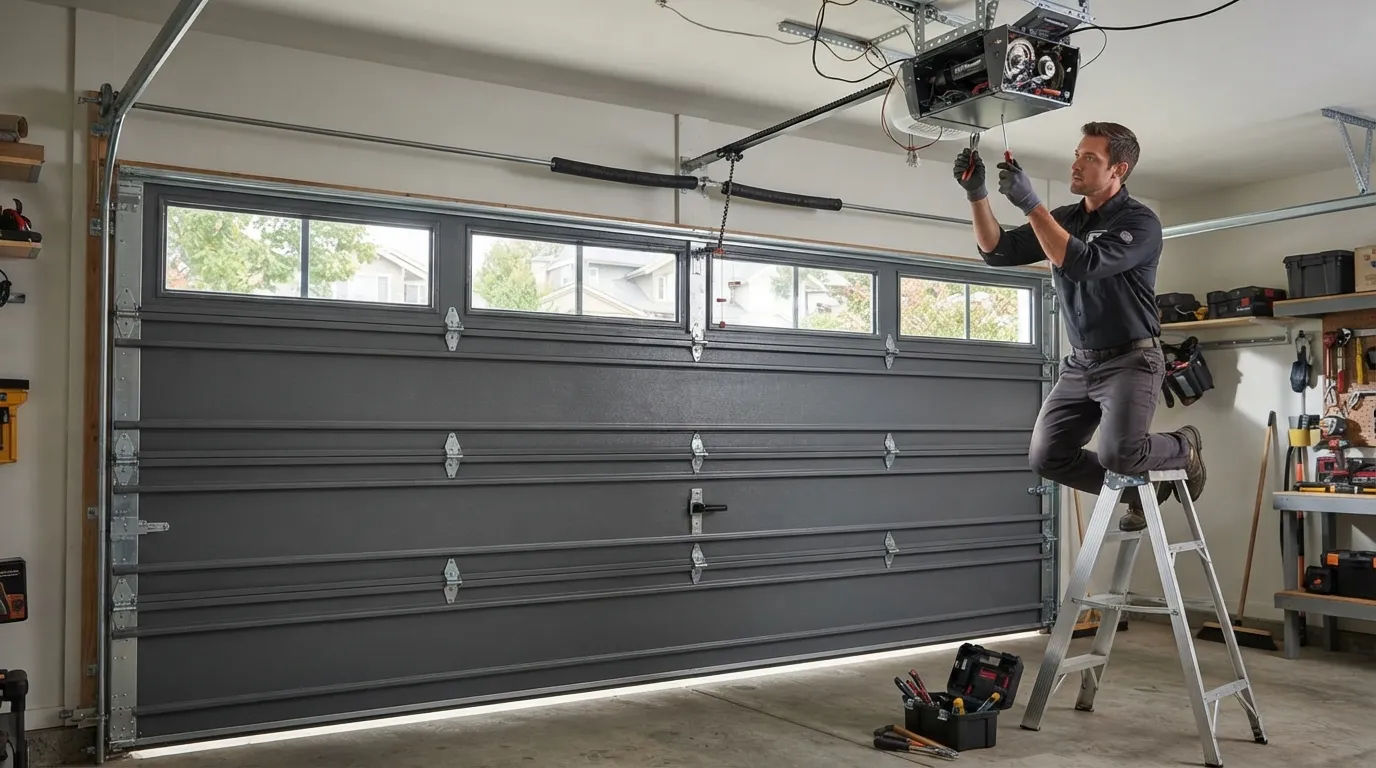
    Where the opener itself is original chain-drive with no safety reversal, we'll flag it and talk through replacement rather than patch a unit that predates current safety sensor requirements — that's not a feature we work around quietly.

  5. Repair before replacing, when it holds

    We don't push a full door replacement on every call. If the panels are sound and the track is straight, a spring and roller service on a sixty-year-old door can leave it running as well as it ever did, for a lot less than a new door costs.

Where This Job Goes Sideways

Watch-outs

Where This Job Goes Sideways

The honest complication on Elmhurst calls is parts. A door built around 1964 sometimes used bracket spacing, hinge patterns, or panel dimensions that current standard stock doesn't match exactly. Springs we can wind to any size on site, but a cracked panel or a bent track section on one of these older doors occasionally means a special order rather than something we carry on the truck, and that adds days, not hours. We tell you that on the spot, not after we've started. The other place this gets complicated is when a homeowner's had a well-meaning but mismatched repair done years back - a spring swapped to the wrong wire gauge, or a roller replaced with a size that doesn't fit the track profile. That kind of prior fix can mask the real problem until we're partway into the job, at which point the estimate changes because we're now fixing two things instead of one. When a door's track is bent badly enough, or the panels have rusted through at the bottom, we'll say plainly that replacement is the better dollar than another repair - a full income to spend on your door doesn't mean the door's worth saving.

Questions

Common questions

Do you have a location in Elmhurst?

No, we run out of Naperville and travel to Elmhurst for every job, about 15 miles each way. We don't keep a branch or truck stationed in Elmhurst, so we schedule these visits as full stops rather than quick drop-ins, and we'll give you a real time window when you book rather than promising an instant arrival.

My garage door is original to my 1960s Elmhurst house - is it worth repairing?

Often yes. If the panels are sound and the track is straight, a spring rewind and roller replacement can bring a door from that era back to smooth running for a lot less than replacement costs. The exception is when the track is bent or the bottom panels have rusted through - at that point we'll say so plainly rather than patch it.

Why does my door get noisy in cold weather?

Elmhurst sits in a cold-moderate climate band with real freeze-thaw swings each winter. Steel rollers without nylon sleeves seize and grind against the track in the cold, and on an older door that's been cycling for decades, that grinding starts earlier than on newer hardware. Sealed nylon rollers usually fix it.

Can I replace a torsion spring myself?

We don't recommend it. A torsion spring is wound under enough tension to cause serious injury if the winding bars slip, and on many 1964-era doors the brackets haven't been re-torqued since installation, which adds risk. Lubrication, hinge screws, and sensor alignment are reasonable DIY tasks - spring work isn't.

Ready when you are

Need a garage door sorted in Naperville?

Naperville Garage Door Pros repairs and installs garage doors, springs and openers in Naperville, IL and the surrounding area.

Call Now(331) 297-2514