Garage Door Repair for Elmhurst's 1960s Housing Stock in Naperville

Elmhurst, Naperville

Garage Door Repair for Elmhurst's 1960s Housing Stock

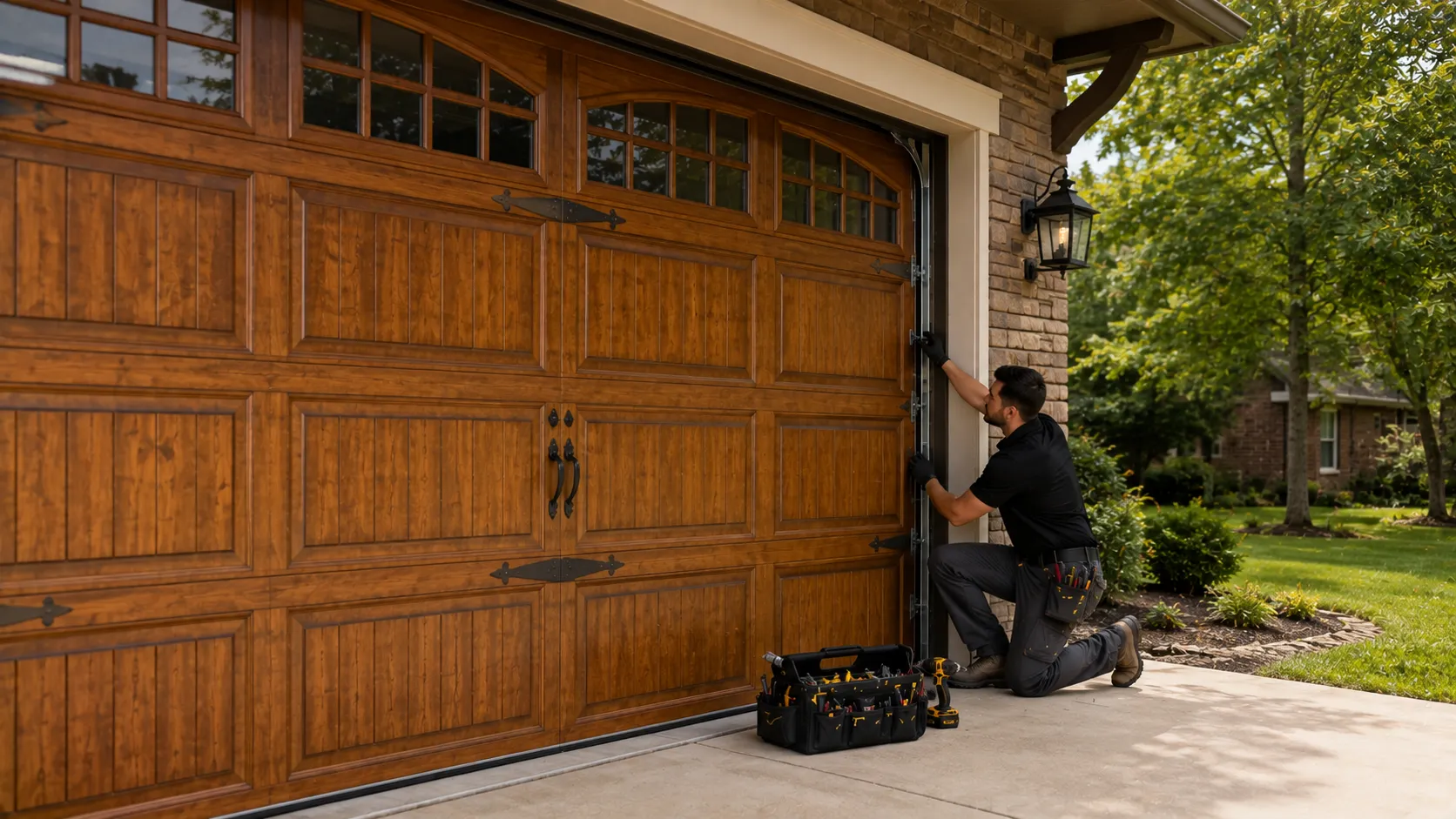
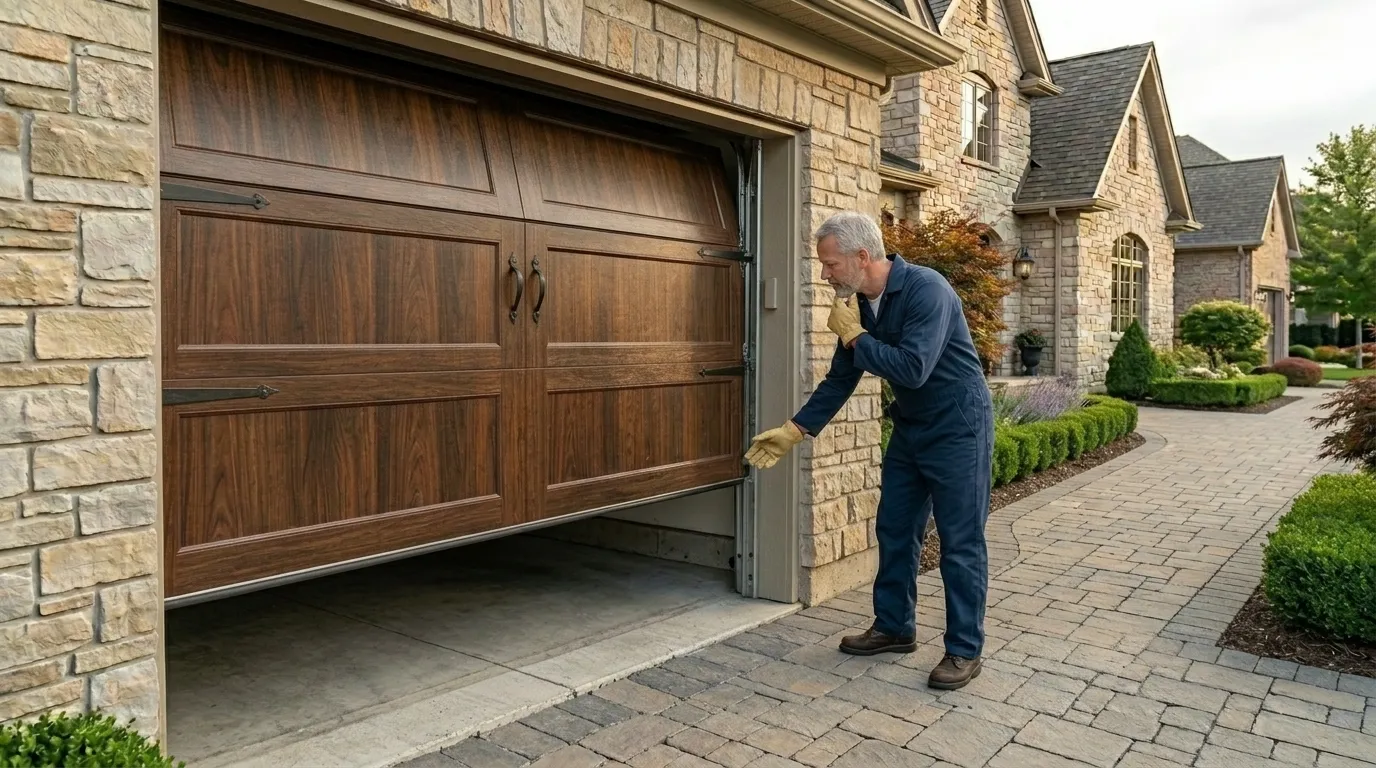
Elmhurst's garage doors mostly date to the mid-1960s, single-layer steel on original torsion hardware. We drive out from Naperville to fix springs, cables, and openers on these doors.

Serving Naperville, ILBackground-checked techsHonest, upfront pricingFast local response

Job timing

Time on the Job

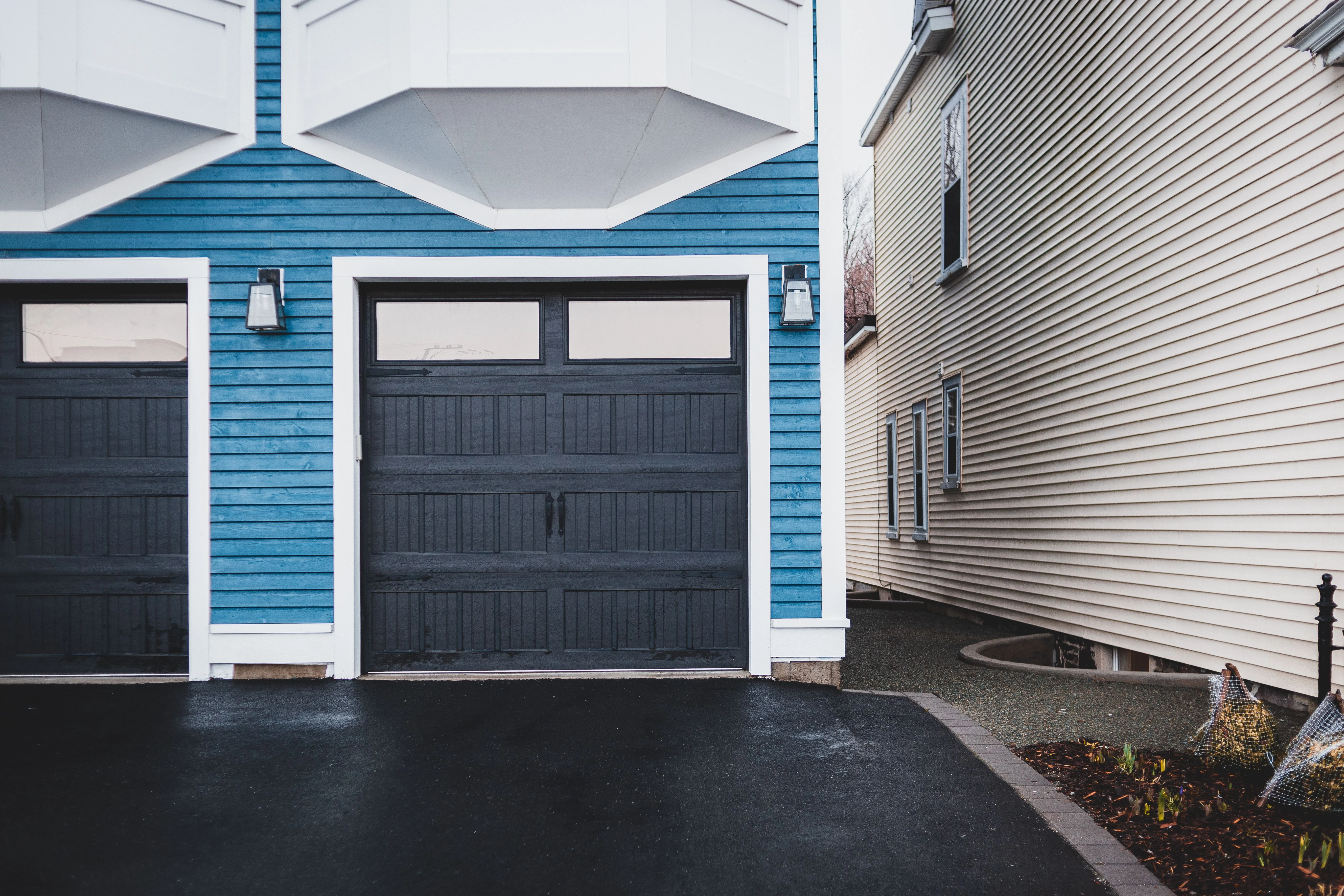
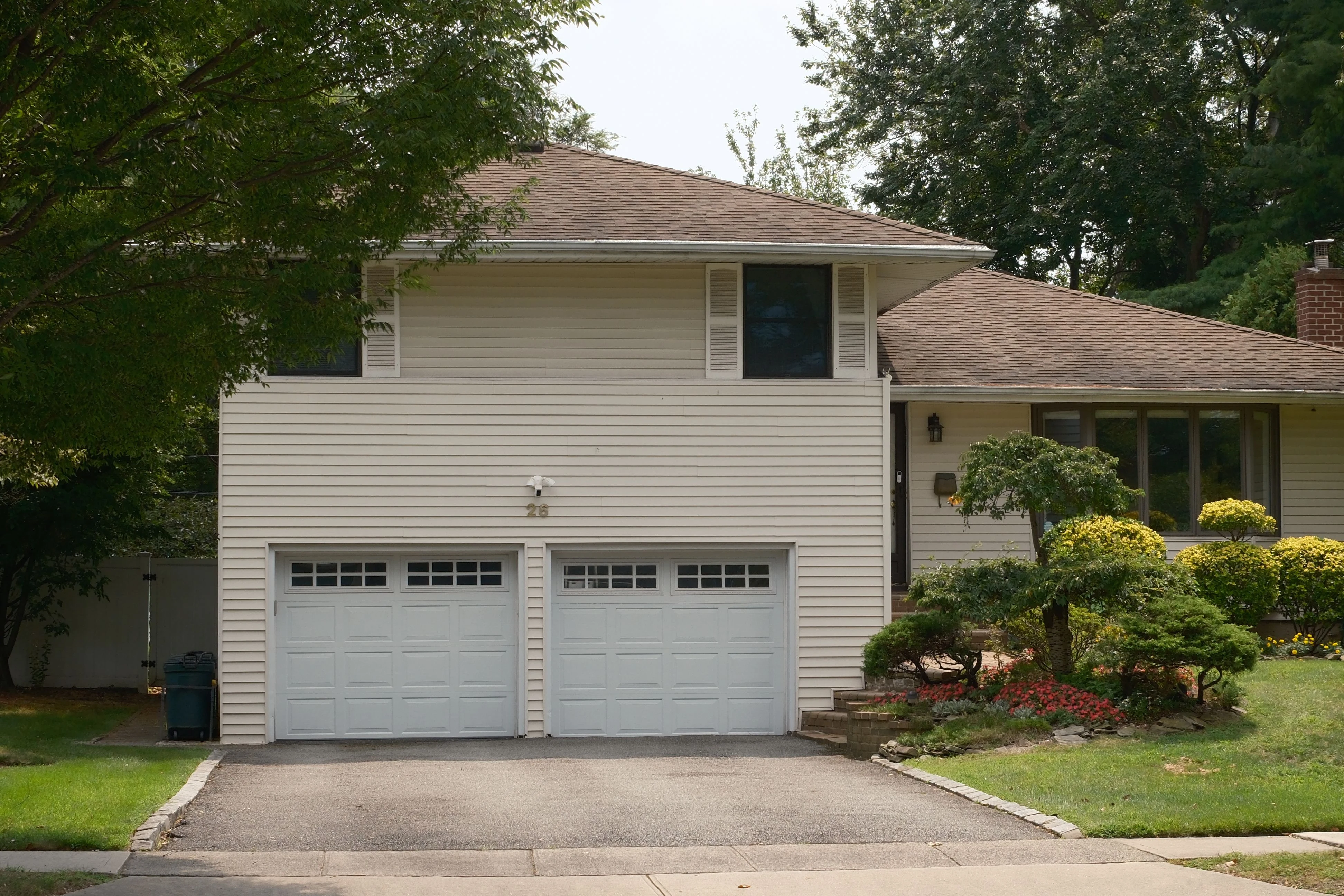
Most garage doors in Elmhurst went up around 1964, which puts them eight years ahead of the 1976 median we see across the rest of the service area we cover. That earlier build date matters because it's a different door: single-layer steel, no foam core, hung on a torsion spring wound to specs nobody wrote down for future reference. A lot of these are still the original 16x7 double or a pair of 9x7 singles, never swapped out, just serviced piecemeal over sixty years. The steel on these doors is thinner than what goes up today, and the tracks were set for a lighter panel than some owners have since bolted onto the same hardware after a cosmetic upgrade. When we get a call here, the first question isn't what's broken - it's how old the drum and cable drum combo actually is, because on a door this age, one worn part usually means the whole spring assembly is close behind it. We don't guess at that on the phone. We look at the door in person before we quote a fix.
Time on the Job
Booking a Visit

Booking

Booking a Visit

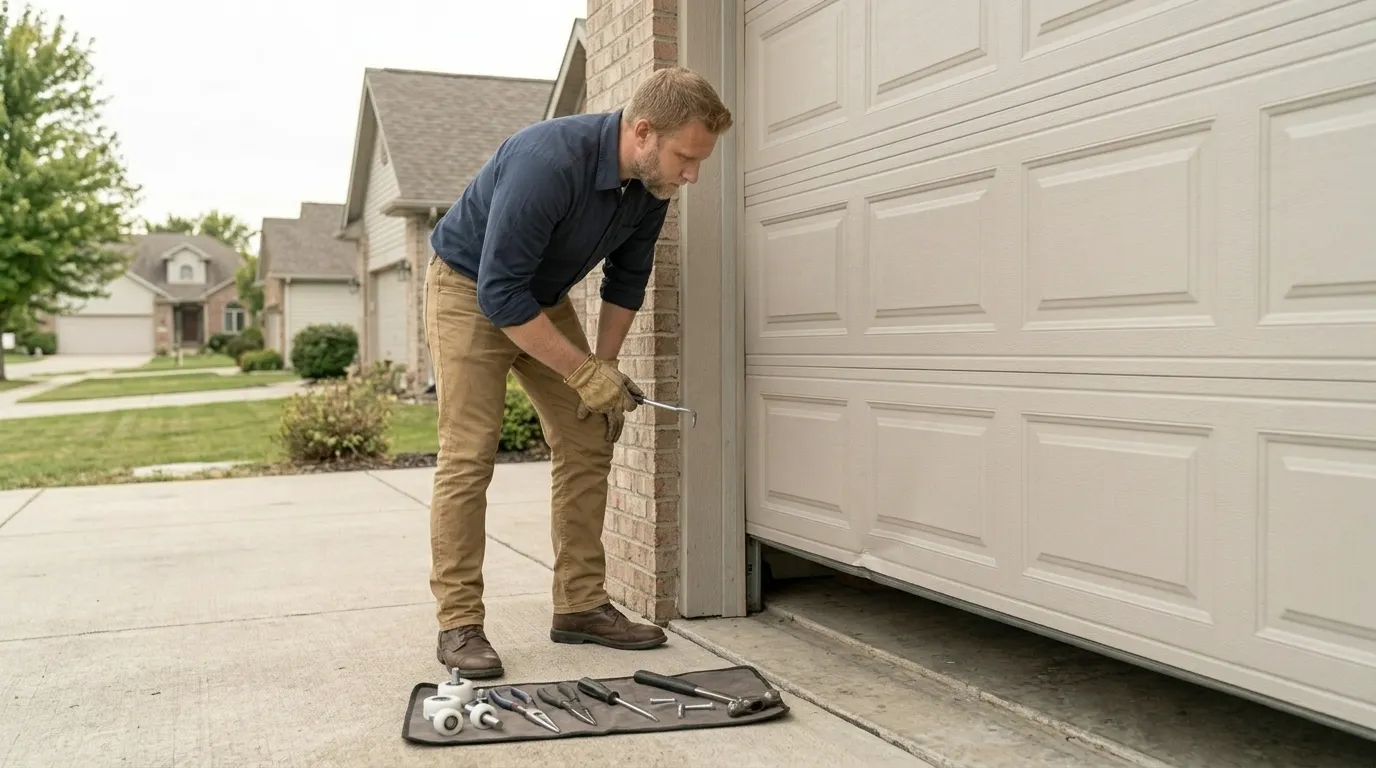
We run this job out of Naperville, about 15 miles from Elmhurst, so there's no branch or drop-in counter here - just a truck that comes out on a scheduled visit. We build that drive into the quote rather than promise a response time we can't guarantee for a town we're not based in. If your spring lets go on a Tuesday morning, tell us that on the call; we route around distance, not around urgency, and a dead spring on a double door gets priority over a noisy roller. Book through the site or by phone, and expect us to ask for the door's approximate age and whether it's ever been replaced - that's usually enough to bring the right springs on the first trip instead of a second one.

DIY or pro

Doing It Yourself

Some things are fine to check yourself before calling anyone, and some aren't. On a door this old, telling the difference matters, since a wound torsion spring and worn mounting hardware raise the stakes well past what a typical DIY checklist covers.

Spot an unbalanced spring

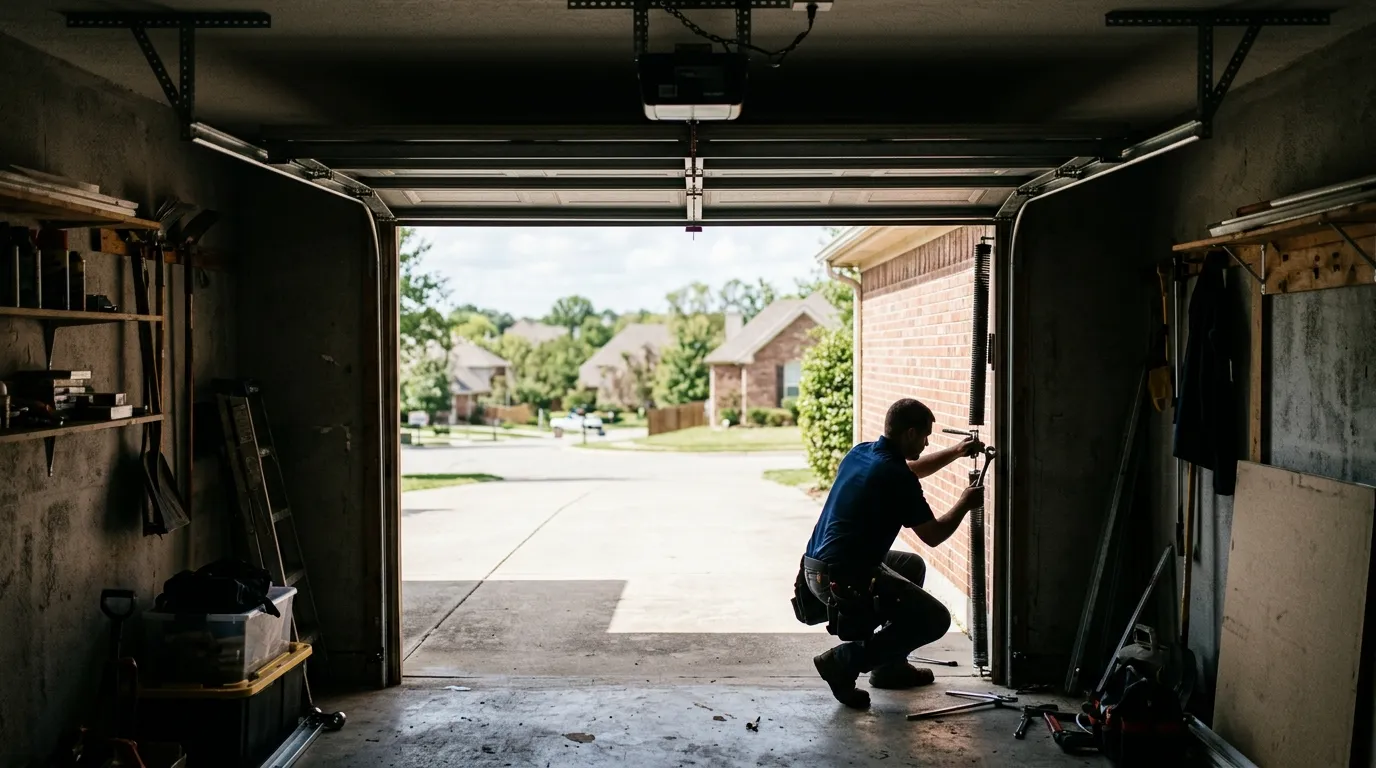
Look at the tension springs above the door — if one side is stretched further open than the other, that's a broken spring, and you should stop using the opener until it's fixed. A door running on one spring can jump the track.

Clear tracks and check brackets

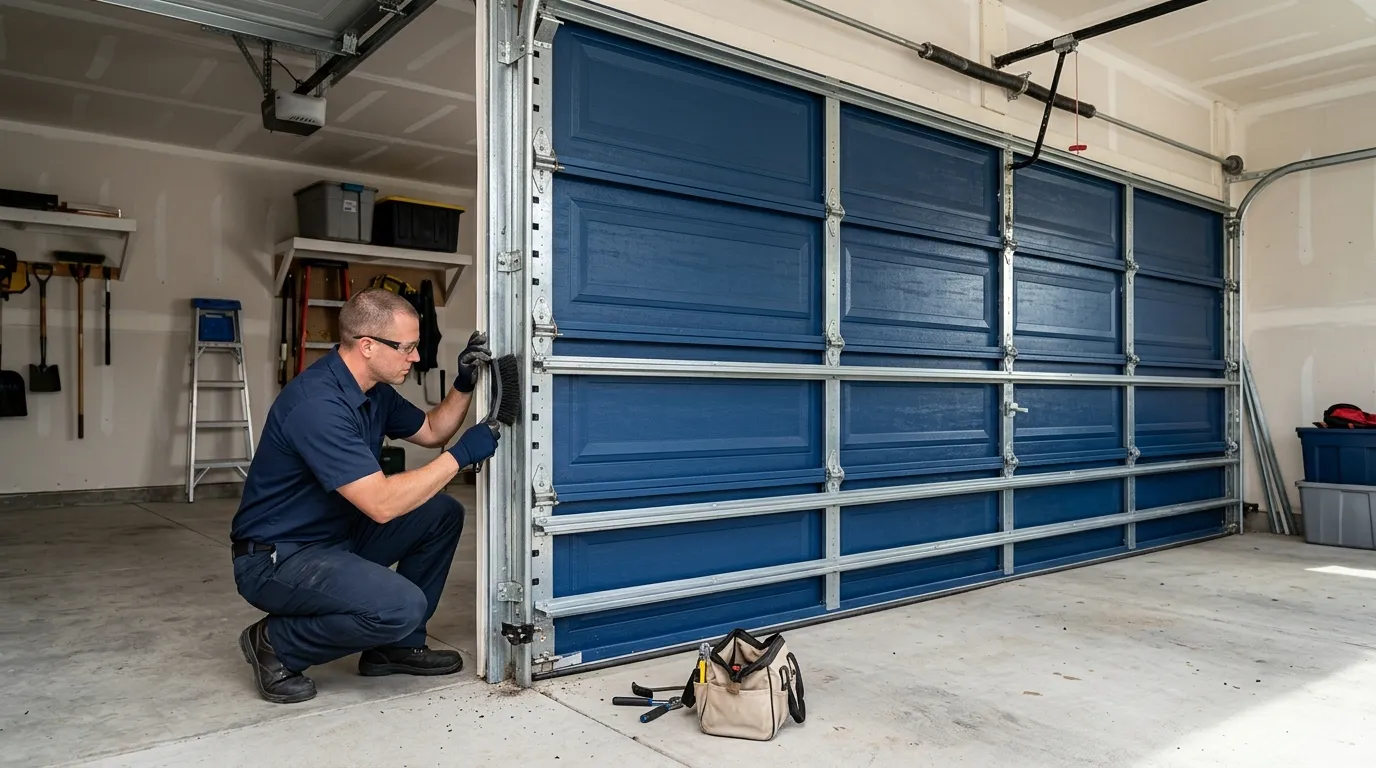
You can also clear the tracks of debris and check that the bottom brackets aren't rusted through, which shows up more often on doors this age than on newer construction. Both checks take a flashlight and a few minutes, nothing more.

Leave the torsion spring alone

The torsion spring itself is wound under enough tension to break a bone, and on a door built in the 1960s the mounting hardware holding the winding cone often isn't in great shape either. If you're not sure which spring type you have, don't experiment — call and describe what you see.

Local causes

What Causes It Around Here

This area sits in a cold, moderate climate band, and the swing from a warm garage to a below-freezing driveway does real work on hardware that's been wound since the mid-1960s — age and cold combine into a pattern we see repeat across Elmhurst's older doors.

Cold snaps fatigued steel

Steel contracts in the cold, lubricant thickens, and a spring that was already fatigued from decades of cycles is more likely to snap on a cold morning than a mild one. That combination of age and temperature swing is the single biggest driver of the calls we get.

Springs fail in clusters

With 16,863 households in Elmhurst, a good share of them sitting on doors from that same building era, we see a pattern: springs failing in clusters during the first hard cold stretch of the season, not spread evenly through the year.

Original steel rollers seize

Rollers on these older doors are often the original steel type too, which get noisy and eventually seize in cold weather faster than the nylon rollers going into newer installs. That grinding is usually the first sign something's aging out.

Our process

How We Fix It

For a broken torsion spring, we match the wire gauge and wind to the door's actual weight, not just its size, because many of these 1964-era doors have had panels or hardware changed since installation and no longer match the original factory spec.

  1. Match spring to actual weight

    We match the wire gauge and wind to the door's actual weight, not just its listed size, because a lot of these 1964-era doors have had panels or hardware changed since installation and no longer match factory spec.

  2. Replace cables as a pair

    Cables get replaced alongside the spring as a rule — if one broke under tension, the other's usually close behind it, and running a new cable next to a decades-old one just invites a second failure within the year.

  3. Replace rollers outright

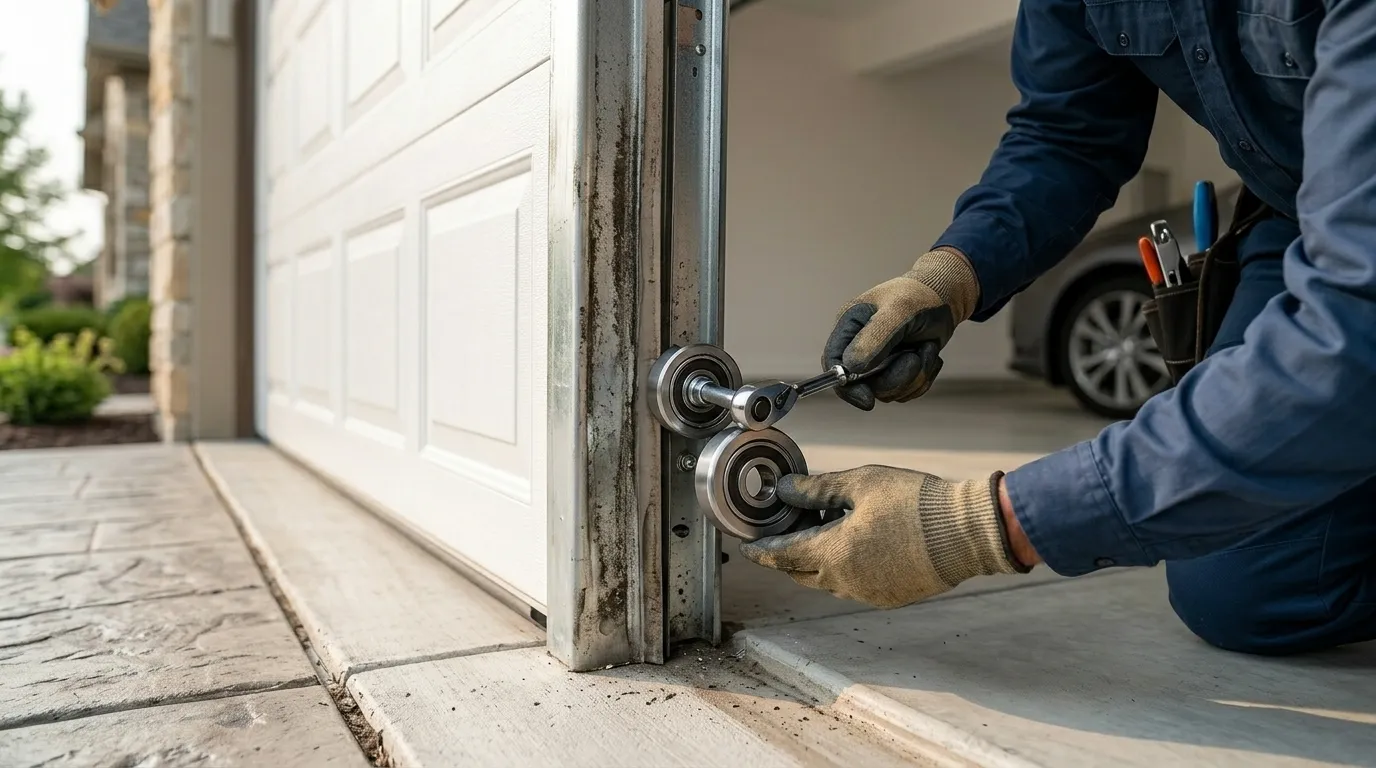
    Rollers we're replacing outright rather than patching, especially on doors old enough that steel wheels are still in place. Steel-on-steel wear doesn't stop with a spot lubrication, so a full swap holds up far longer than a partial fix.

  4. Check the opener before blaming the motor

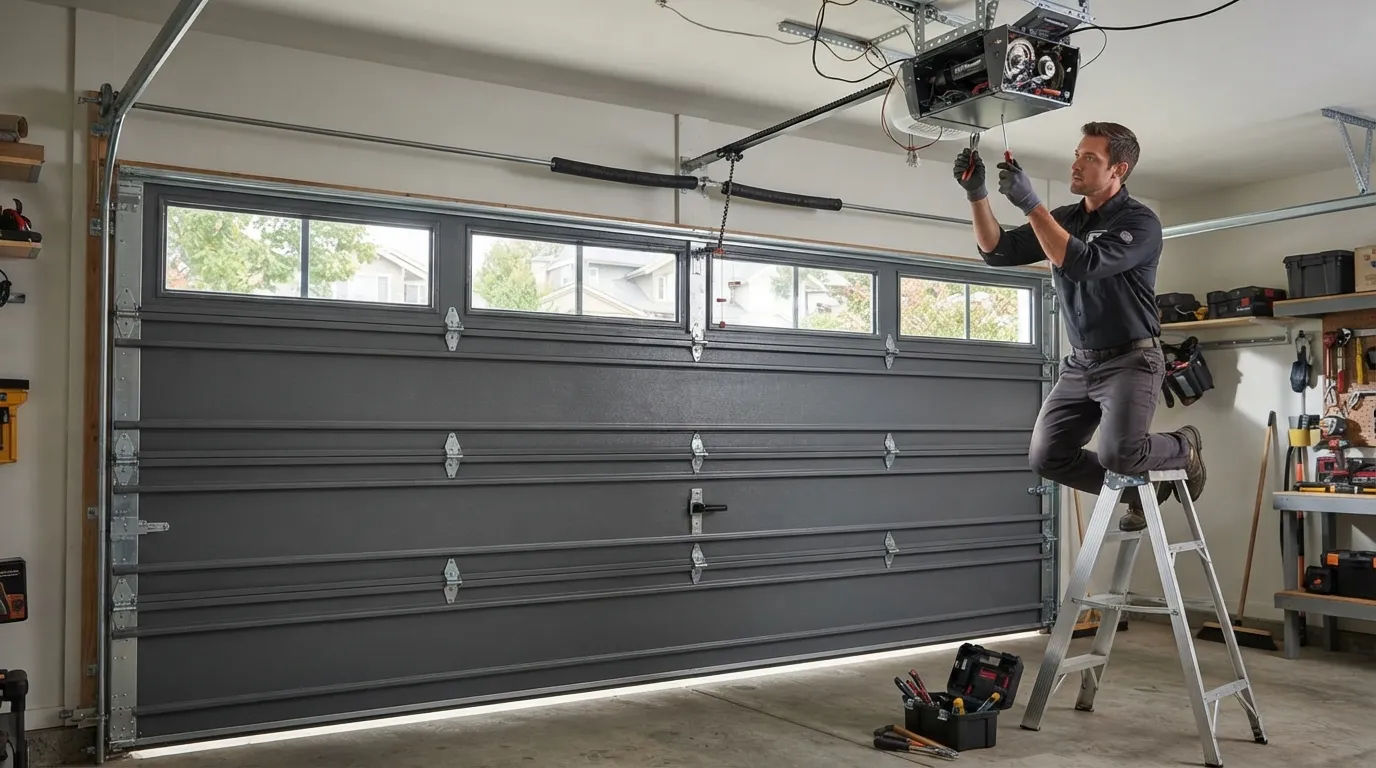
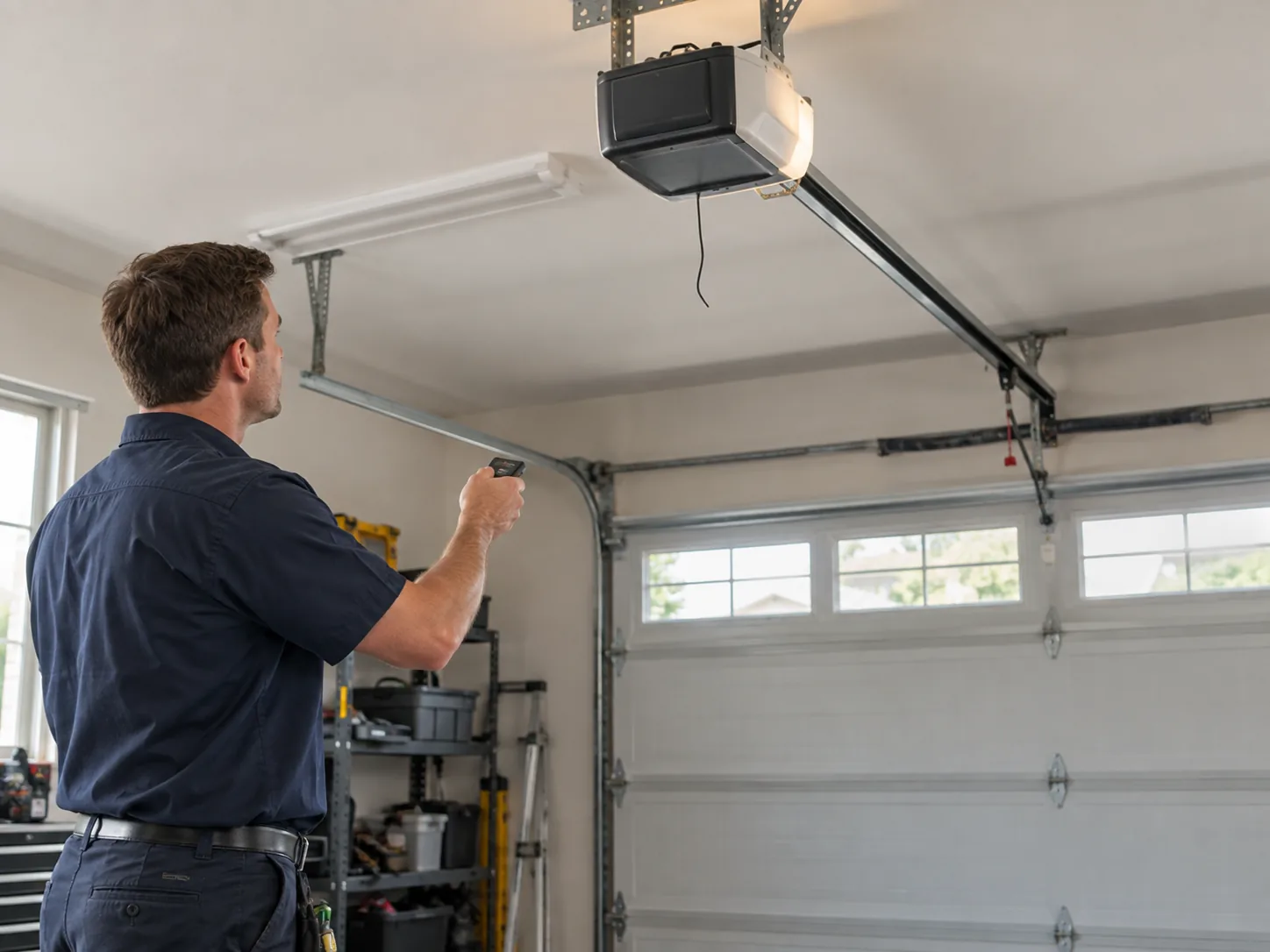
    If the opener is the issue rather than the door, we check the travel limits and force settings before assuming the motor's dead. Ruling out an adjustment issue first means we're not replacing hardware that didn't need replacing.

Where This Job Goes Sideways

Watch-outs

Where This Job Goes Sideways

There's a point on a door this old where repair stops making sense. If the panels themselves are rusted or bowed - common on originals from the 1964 era that were never insulated - putting new springs and cables on a door that's structurally tired just moves the next failure a few months down the road. Elmhurst's median household income runs $145,374, well above the $99,525 median across the rest of the service area, and we've noticed owners here are more willing to replace an aging steel door outright with an insulated one rather than keep patching original hardware. We'll tell you flat out when we think that's the better call, even though it's a bigger job than what got booked. One honest limit: if a part is obsolete enough that nobody stocks it anymore, we're not going to keep you waiting on a special order for a door that's due for retirement anyway.

Questions

Common questions

Why don't you have a location in Elmhurst?

We run out of Naperville and drive to Elmhurst for scheduled visits, about 15 miles each way. There's no local branch, so we build the drive time into the appointment rather than promise a response time tied to being based in town.

Are Elmhurst's garage doors different from newer suburbs?

Housing here centers on 1964, which is earlier than the 1976 median across the wider service area. That means more original single-layer steel doors on torsion hardware that's decades past its expected spring life, rather than the insulated doors common in newer construction.

Is it worth repairing an original 1960s door?

Sometimes. If the panels are sound and it's just springs, cables, or rollers, repair makes sense. If the steel is rusted or bowed, we'll usually recommend replacement instead of patching a door that's already structurally tired.

Ready when you are

Need a garage door sorted in Naperville?

Naperville Garage Door Pros repairs and installs garage doors, springs and openers in Naperville, IL and the surrounding area.

Call Now(331) 297-2514