New Garage Door Installation, Warrenville IL in Naperville

Warrenville, Naperville

New Garage Door Installation, Warrenville IL

New garage door installation for Warrenville homes, most built around 1980. Naperville Garage Door Pros covers the 5-mile drive with doors sized for this housing stock.

Serving Naperville, ILBackground-checked techsHonest, upfront pricingFast local response

Job timing

Time on the Job

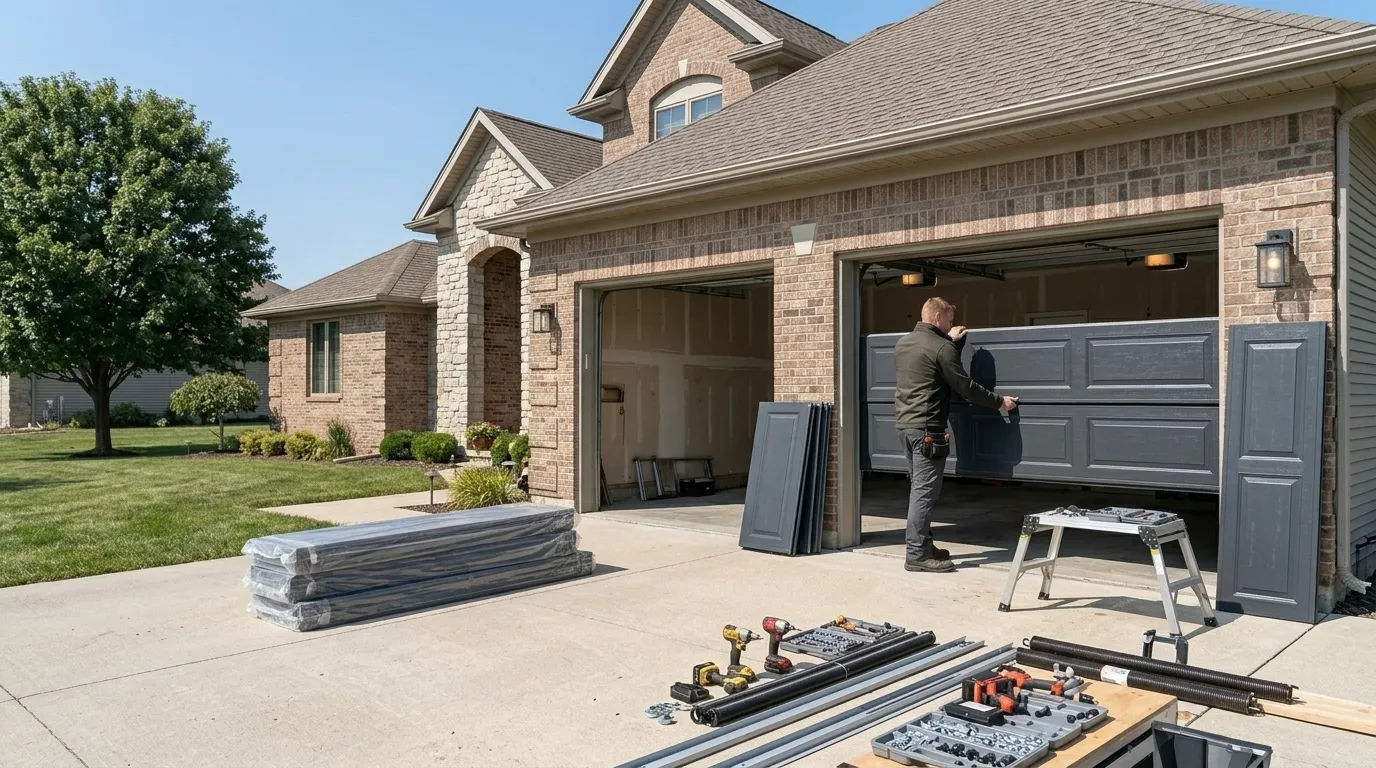
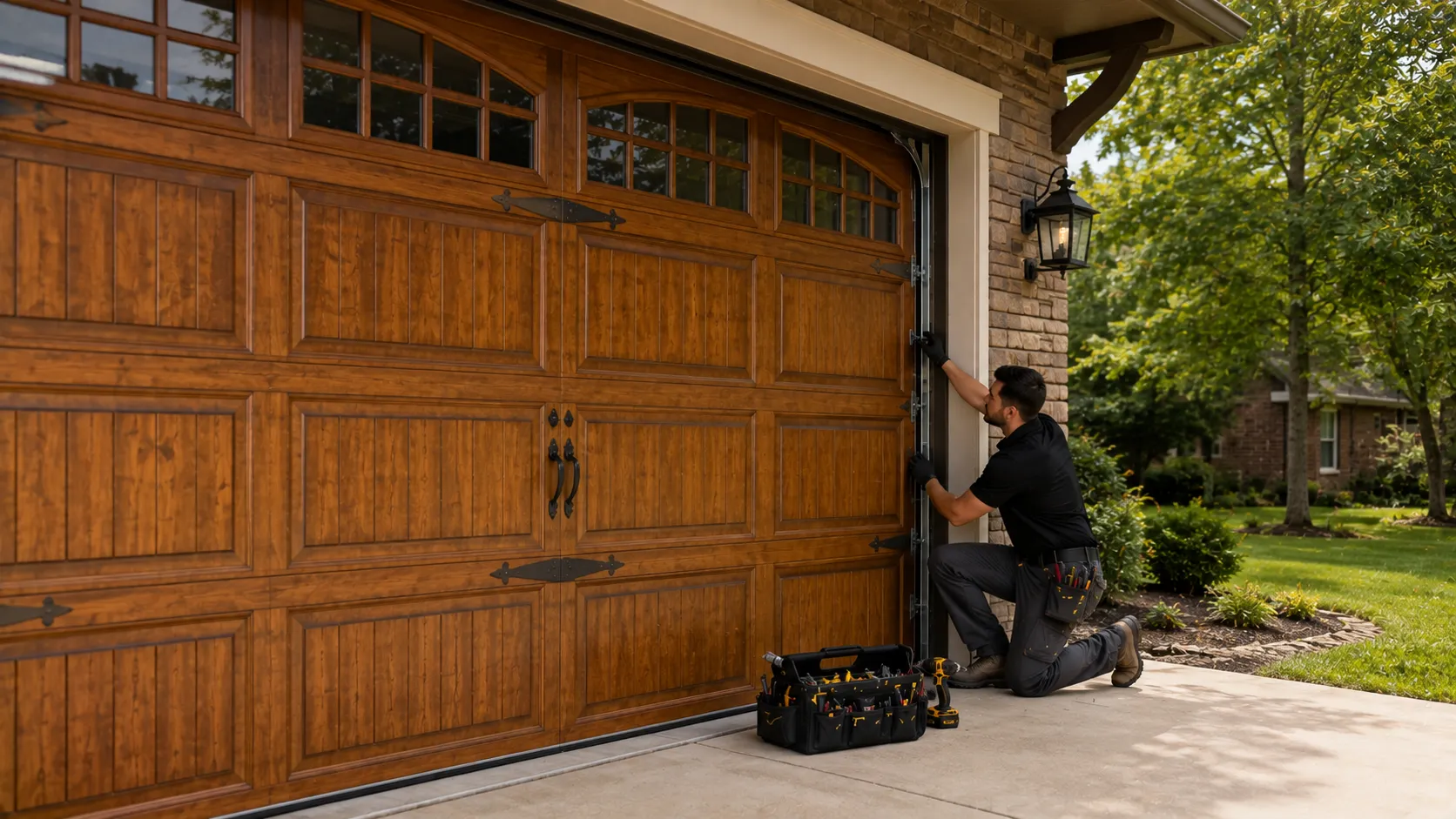
Warrenville sits five miles from our shop in Naperville, which is close enough that a new-door install doesn't turn into a half-day of driving before anyone touches a wrench. That distance matters more than it sounds like it should: on install day we're carrying a full-size door, sometimes two, plus track and an opener, and a short drive means less chance of something shifting in the truck before it gets hung.

The other number that shapes the job is the house itself. Warrenville's housing stock centers on 1980, a bit newer than the broader service area's 1976 median. That gap of a few years actually shows up on the job site - openings built in 1980 are more likely to already be sized for a standard 16x7 double door than the older stock scattered through the region's 1960s-70s core. We still measure every opening before we quote, because 'more likely' isn't 'always.'

This area sits in a cold moderate climate band, which is the other thing we account for before we ever talk color or panel style - insulation isn't an upsell here, it's a starting point.

Time on the Job
Booking a Visit

Booking

Booking a Visit

Because we run out of Naperville, every visit to Warrenville is scheduled, not walk-in. We ask what year the house was built and whether the door is original, because a 1980-era opening behaves differently than one from a later remodel, and that shapes what we load on the truck the first time instead of the second.

We don't quote a same-day or next-day promise for Warrenville specifically - we're honest that the five-mile drive gets folded into whatever the day's schedule already looks like out of Naperville. What we can commit to is showing up with the right measurements and the right hardware for a house this age, so the visit is about hanging a door, not diagnosing the opening from scratch.

Warning signs

How It Shows Up

With a median build year around 1980, Warrenville's original garage doors and their hardware share a handful of recognizable traits. Recognizing which one applies to a given house tells us most of what we need before we ever measure the opening in person.

Thin Foam-in-Place Panels

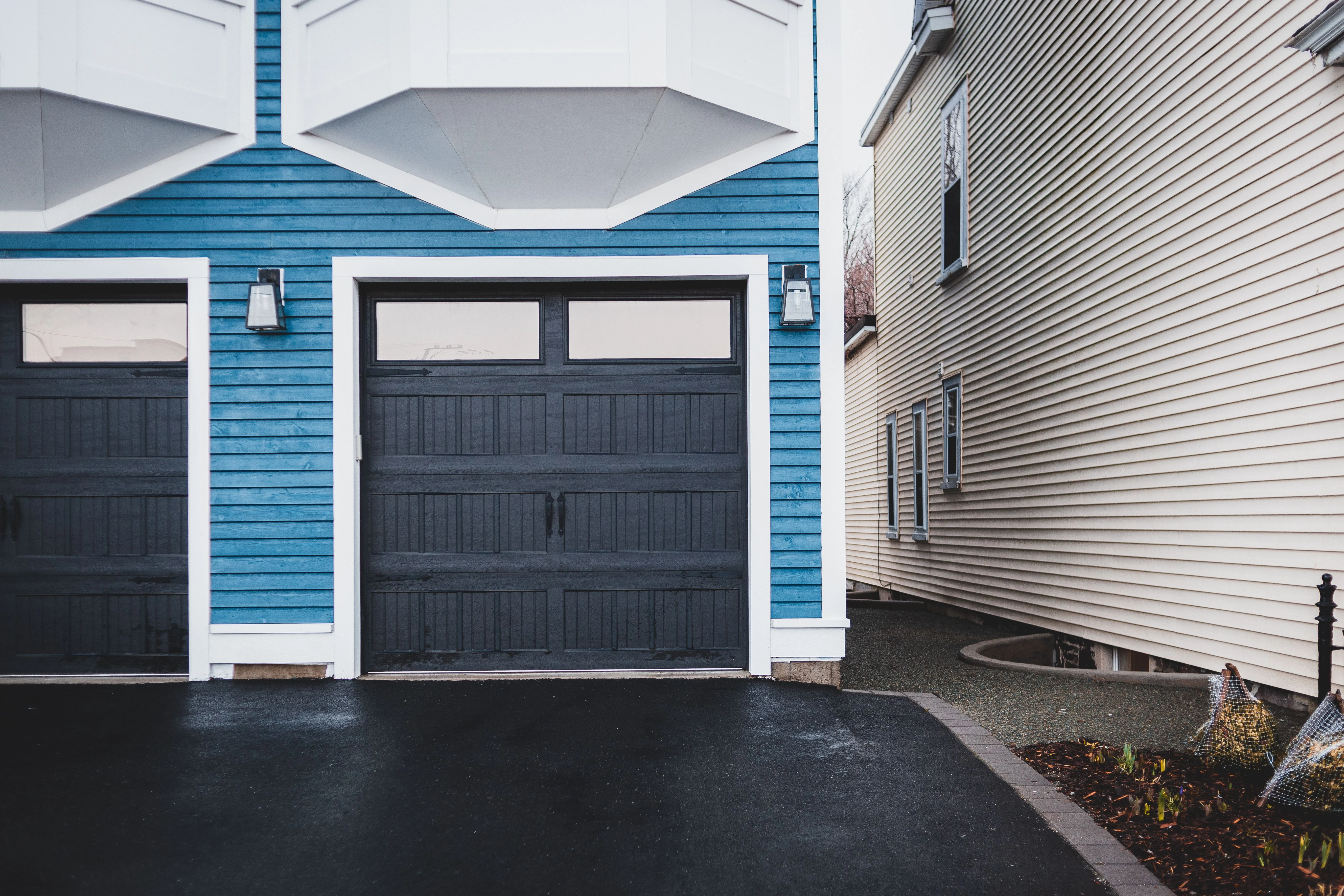
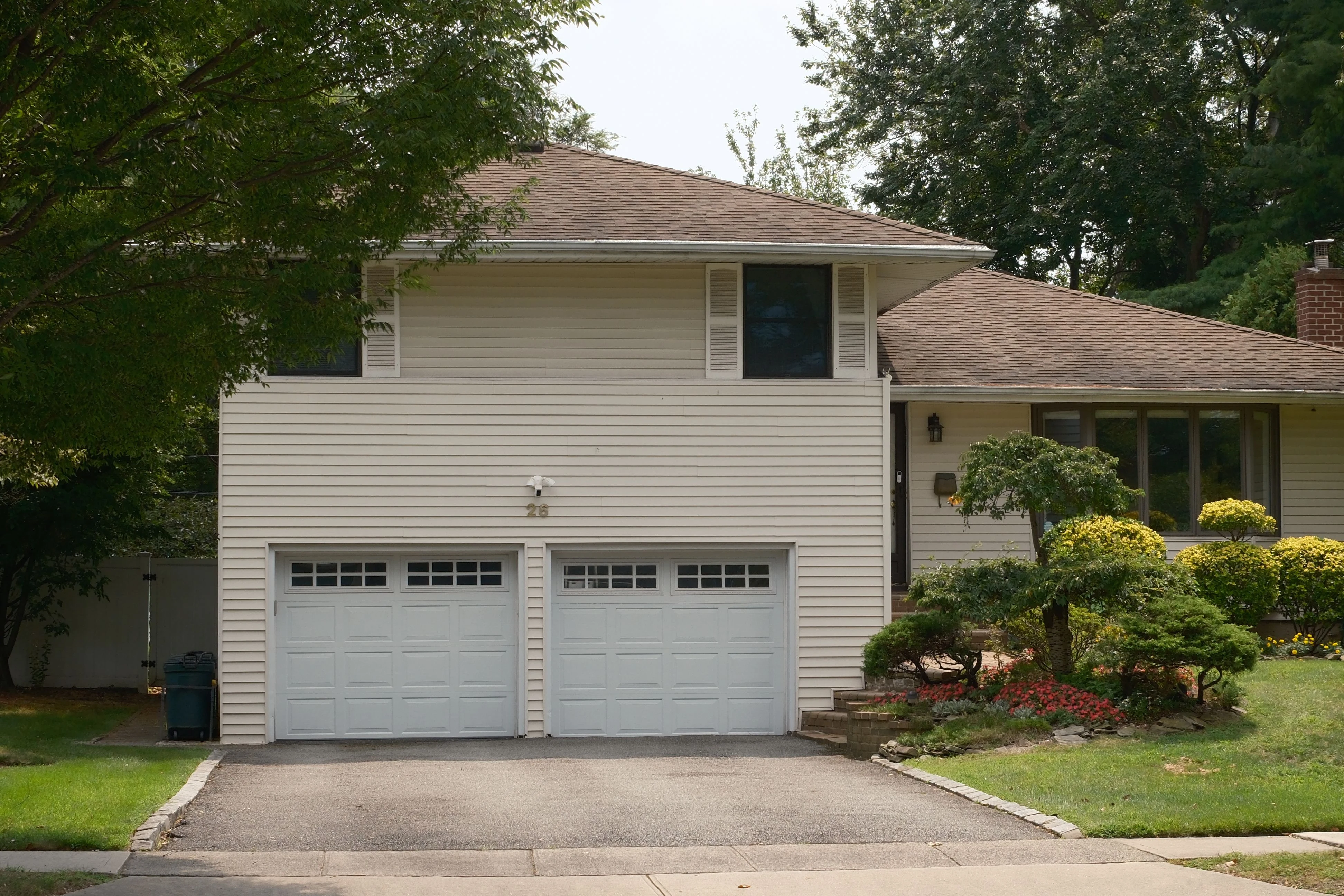
A lot of Warrenville's original garage doors are steel panels with foam-in-place insulation from the late 70s and early 80s, noticeably thinner than what's sold today. The seams on these panels tend to show their age after four decades of Illinois winters, even when the door still technically operates.
Pitted, Rusted Track

Track that's never been replaced often has the pitting you'd expect from a cold moderate climate, where condensation cycles through the seasons and eventually turns to rust at the rollers. It's a slow failure that's easy to miss until the door starts binding at the same spots repeatedly.

Original Chain-Drive Openers

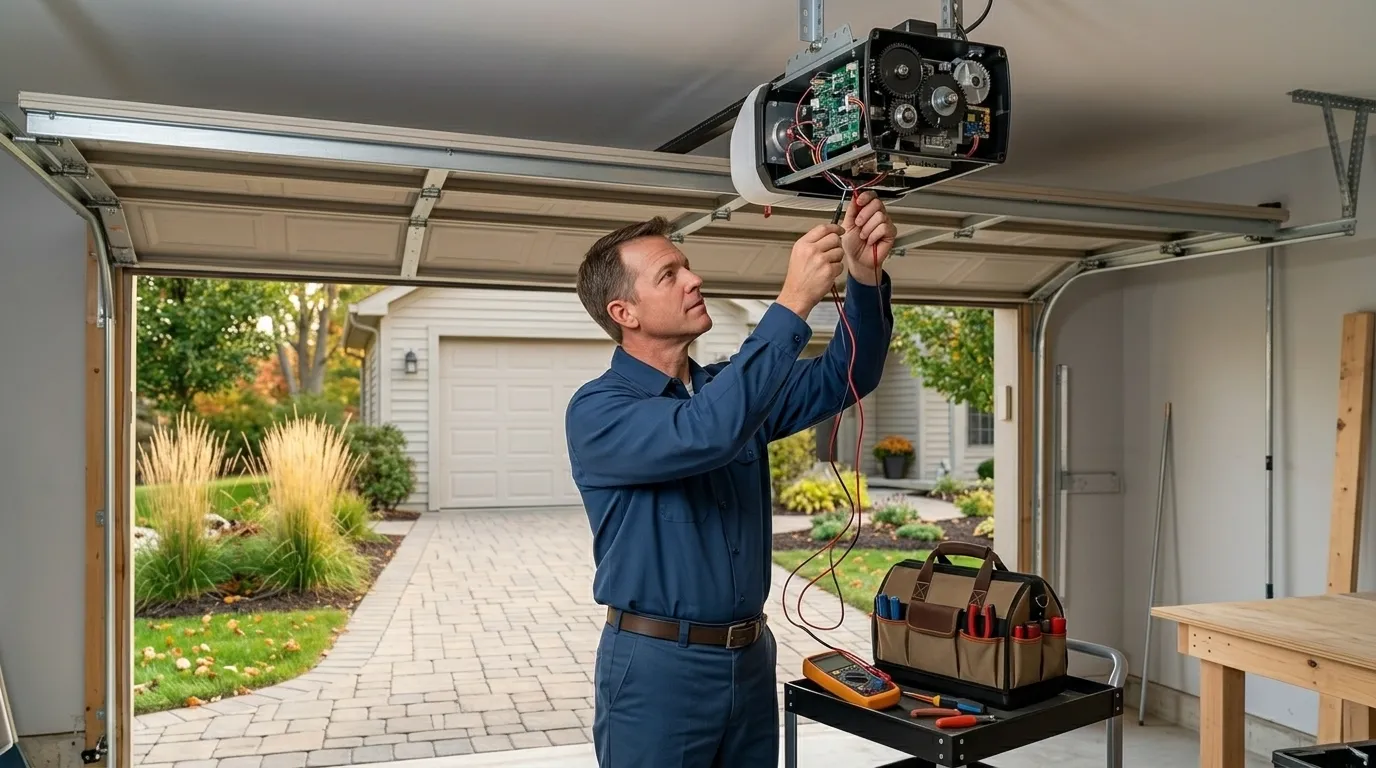
On openers, houses from this window frequently still have their original chain-drive unit, or a first replacement dating to the 90s - either way, old enough that parts backward-compatibility becomes the real question once we're looking at a full door swap. Matching a new door to an opener this age isn't always straightforward.

Standardized Double-Door Openings

We see fewer of the true oddball opening sizes here than in the older 1938-1960s pockets elsewhere in the service area, since 1980 construction had mostly standardized around the double-door width builders still use now. That makes sourcing a properly fitting replacement door more straightforward than on older stock.

Our process

How We Fix It

A new install starts with the opening, not the catalog, and follows a set sequence from there: measure first, square the frame, size the hardware to the door's actual weight, and confirm the balance by hand before the opener ever gets powered up.

  1. Measure the Opening, Not the Catalog

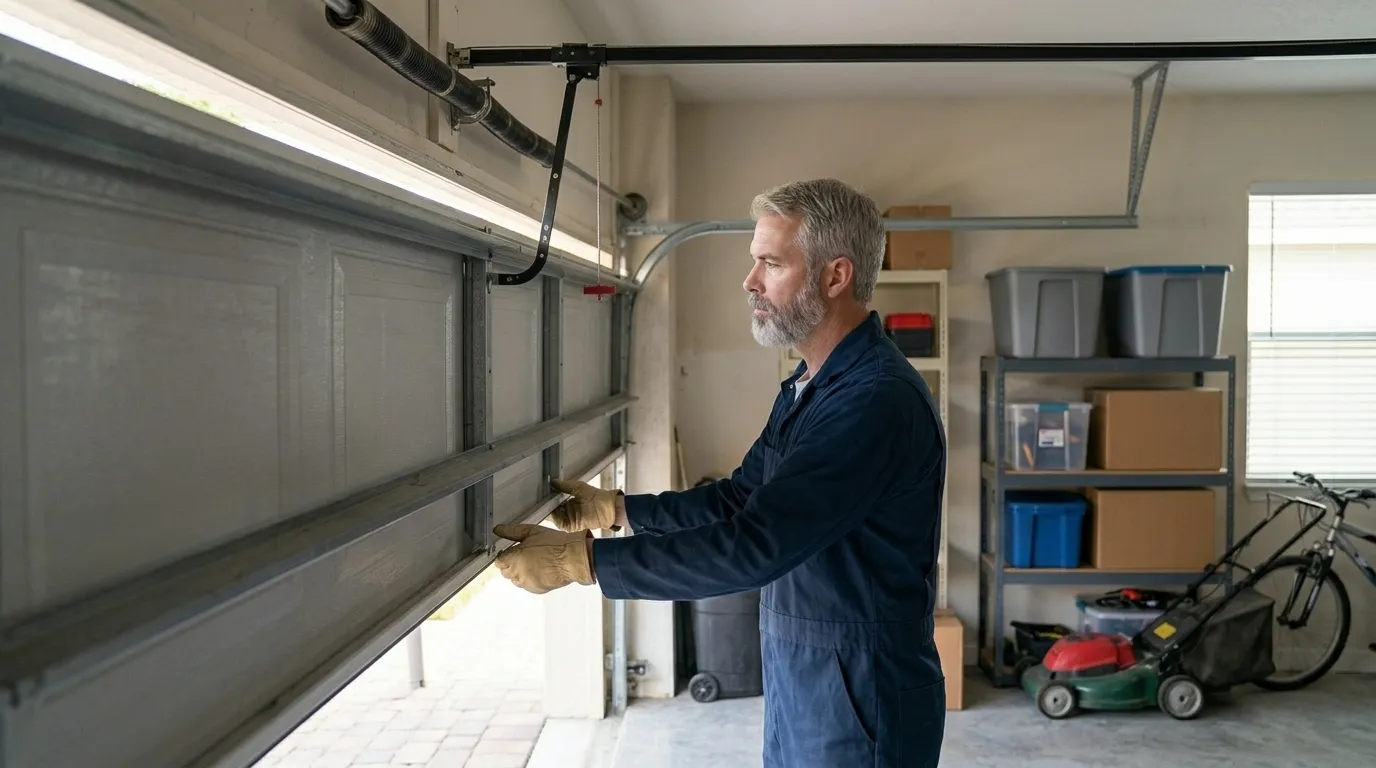
    A new install starts with the opening, not the catalog, so we measure width, height, headroom, and backroom before recommending a door. A house built around 1980 can still have shallower headroom than current code assumes, and that measurement decides whether a standard torsion setup works or we need low-headroom hardware.

  2. Pull the Old Door and Square the Jambs

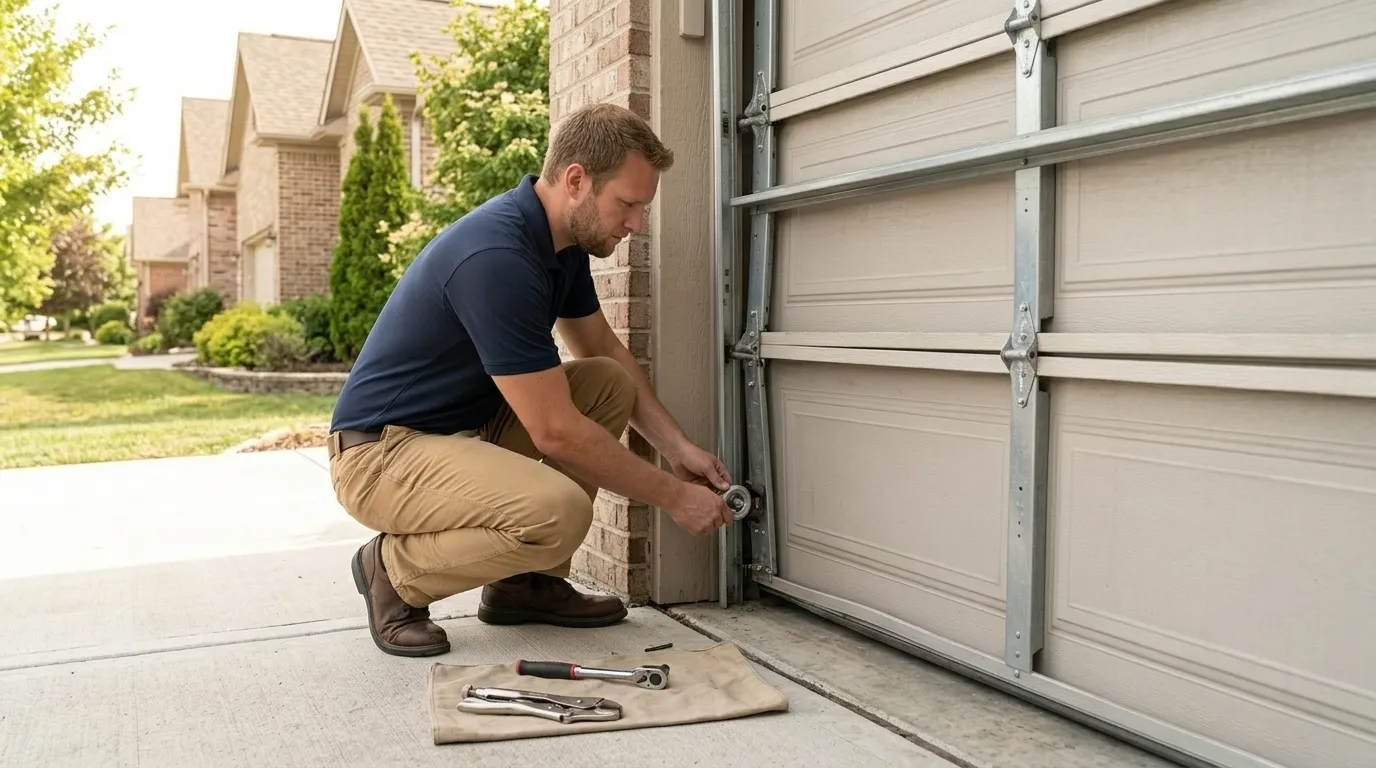
    From there it's a full swap: old door and track out, and new jambs squared if the old ones have shifted, which is common after this many years of seasonal expansion. Getting the frame square first is what keeps the new door from binding later.

  3. Size the Spring and Default to Insulated

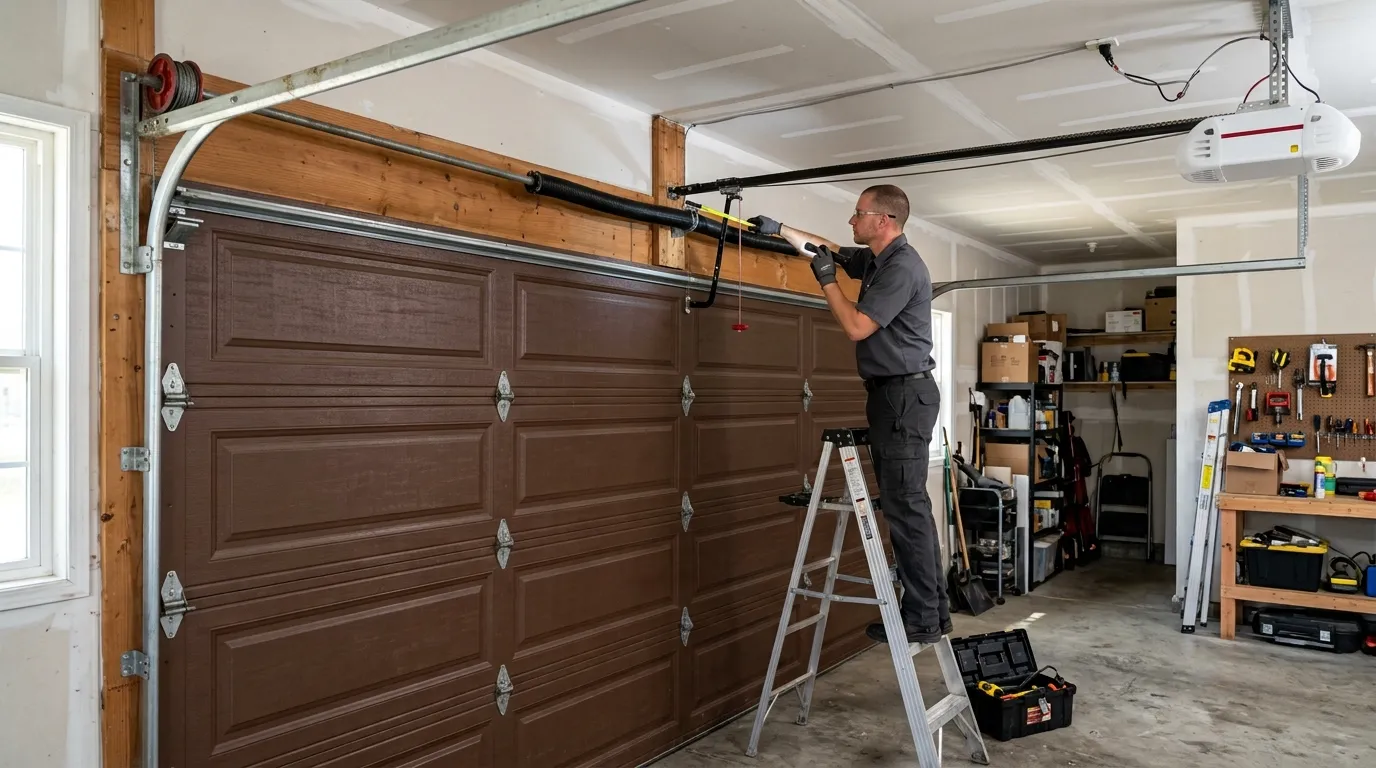
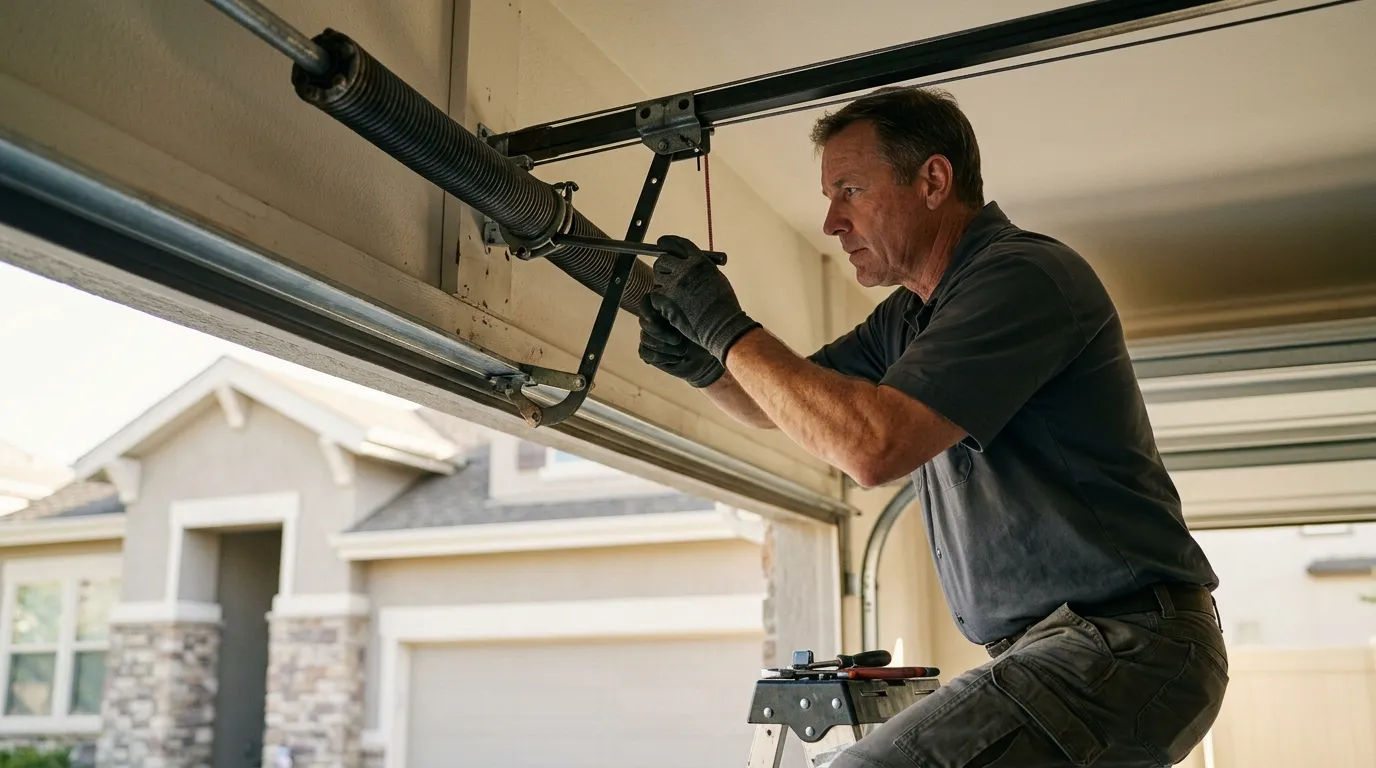
    We install a new torsion spring sized to the door's actual weight and an opener matched to the door rather than reused from the old setup unless it's genuinely still sound. Given the cold moderate climate here, we default to an insulated panel unless a homeowner specifically wants a non-insulated door for a detached garage or workshop use.

  4. Test Balance by Hand Before Powering the Opener

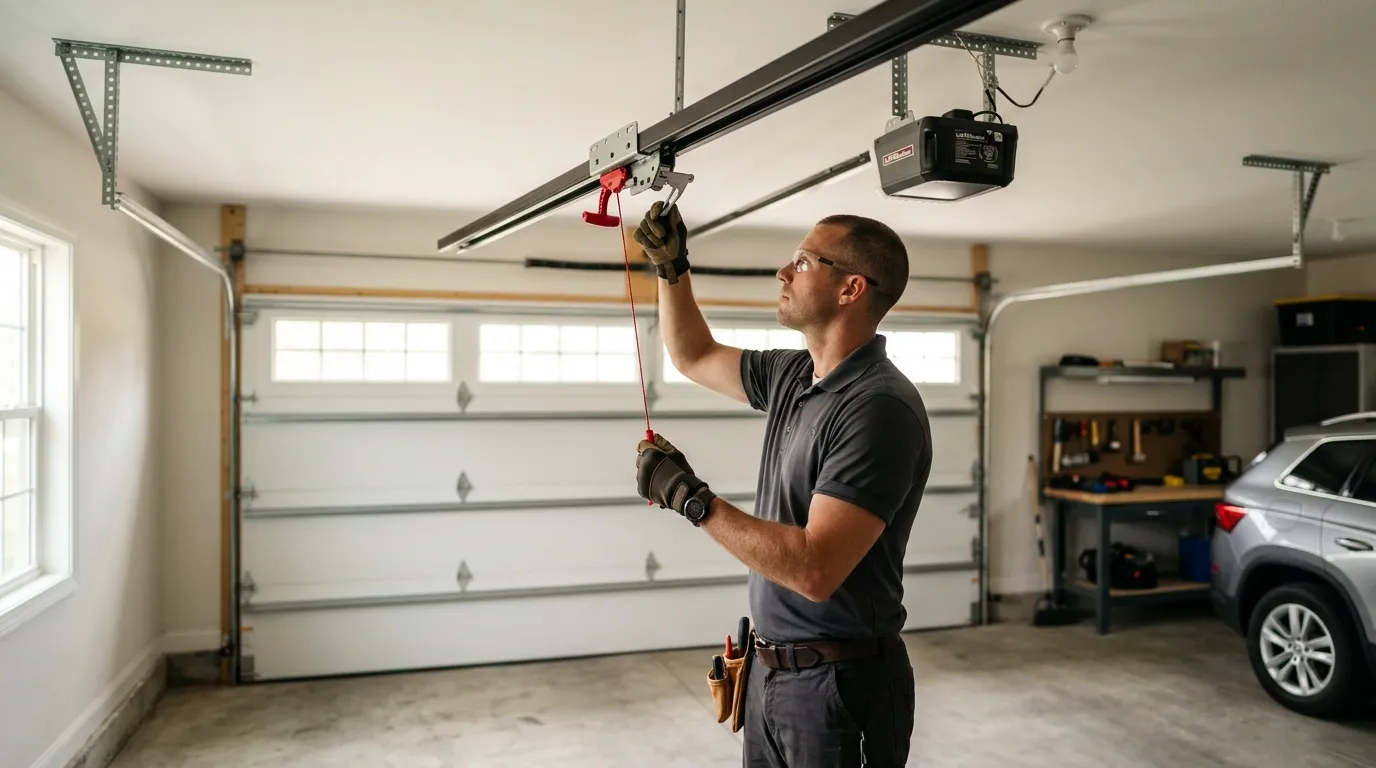
    We test the balance by hand before we ever plug in the opener, since a door that isn't balanced right will shorten the life of whatever opener you put behind it, insulated or not. It's a final check that catches problems before they ever reach the motor.

What You Pay

Pricing

What You Pay

We don't have a published price list for this page, and we're not going to guess at a number that isn't backed by a quote for your actual opening. What we can say is that Warrenville's median household income, $99,028, sits close to the wider service area's $99,525, and in practice that means the mid-range insulated steel doors are what most homeowners here choose - not the stripped-down base door, and not the top-tier composite lines either. That's a pattern, not a price, and your actual cost depends on width, insulation level, window inserts, and whatever the opener situation turns out to be once we're standing in front of it.

DIY or pro

Doing It Yourself

A garage door is not a good first DIY project, but that doesn't mean every part of it is off-limits to a homeowner. Some tasks are genuinely low-risk; others store enough force to cause a serious injury, and knowing which is which matters more than confidence with a wrench.

Not a Good First DIY Project

A garage door is not a good first DIY project, and we'll say that plainly. The torsion spring alone stores enough force to break a bone if it lets go while you're working near it, and balancing a door without the right winding bars is guesswork most homeowners regret exactly once.

Weatherstripping and Lubrication Are Fine

Swapping weatherstripping and lubricating rollers and hinges are jobs a homeowner can reasonably handle themselves, since neither involves anything under spring tension. These are also the maintenance tasks that most directly extend the life of the door between professional visits.

Replacing a Broken Remote

Replacing a broken remote is another reasonable DIY task, since it's purely electronic and carries none of the mechanical risk the rest of the door does. It's an easy win if the only problem is a remote that's stopped responding.

Spring, Track, and Cable Work Needs a Call

Spring replacement, track realignment, or anything involving the cables under tension is where we'd tell you to call someone rather than try it solo. If your door is original to a 1980-built house and you're not sure which category your problem falls into, that's a reasonable thing to ask about before you touch anything.

Questions

Common questions

How far out is Warrenville from your Naperville shop?

About five miles. We schedule Warrenville visits out of Naperville rather than running a separate crew or depot there, and that distance is short enough that it doesn't add meaningfully to how a job day is planned.

Do older Warrenville garage doors need special sizing?

Warrenville's housing stock centers on 1980, which tends toward more standardized double-door openings than the older 1960s and 70s stock found elsewhere in the region. We still measure every opening on-site before quoting, since 'typical for the era' isn't a guarantee for any one house.

Should I insulate a new garage door in this area?

We default to insulated panels here because the area sits in a cold moderate climate band, and an uninsulated door on an attached garage tends to show that in higher winter heating loss. It's optional for detached garages used as workshops, but we'll flag the tradeoff either way.

Can you fix my old opener instead of replacing the whole door?

Sometimes. If the door itself is sound and just needs a new opener, we'll say so rather than push a full replacement. If the door and opener are both original to a 1980-era house, though, a full swap is usually the more honest recommendation once we're looking at both.

Ready when you are

Need a garage door sorted in Naperville?

Naperville Garage Door Pros repairs and installs garage doors, springs and openers in Naperville, IL and the surrounding area.

Call Now(331) 297-2514