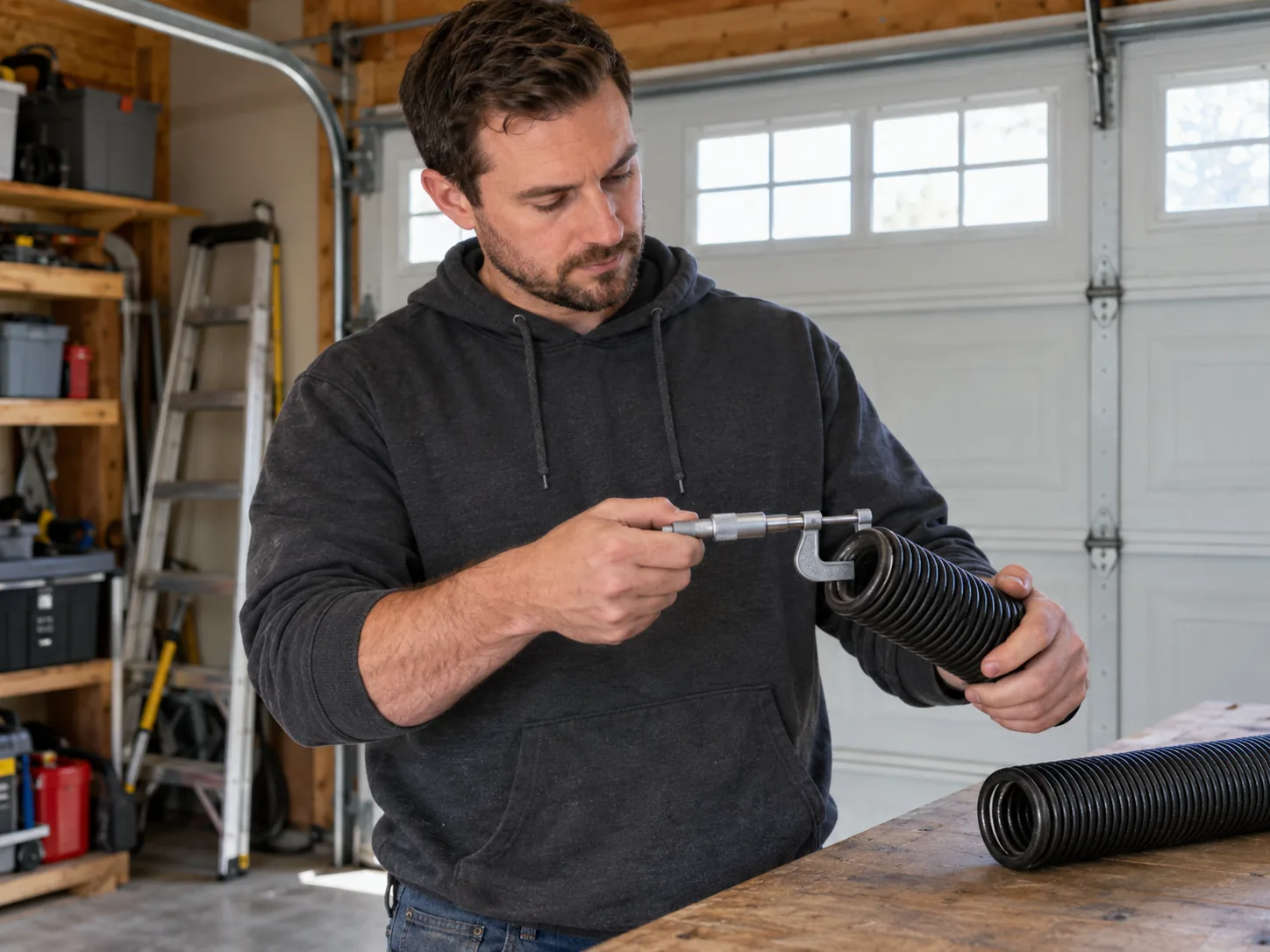
Roller Replacement for Homer Glen Garage Doors in Naperville

Homer Glen, Naperville

Roller Replacement for Homer Glen Garage Doors

Homer Glen's houses mostly date to the late 1980s, which means steel rollers on steel track. We drive out from Naperville, 15 miles away, to replace them.

Serving Naperville, ILBackground-checked techsHonest, upfront pricingFast local response

Our process

How We Fix It

Homer Glen only has about 8,001 households, so a roller job here is one trip out from Naperville to do the one door that needs it - not a stop on a bigger route. Here's how that visit actually runs, start to finish.

  1. Bring the right parts the first trip

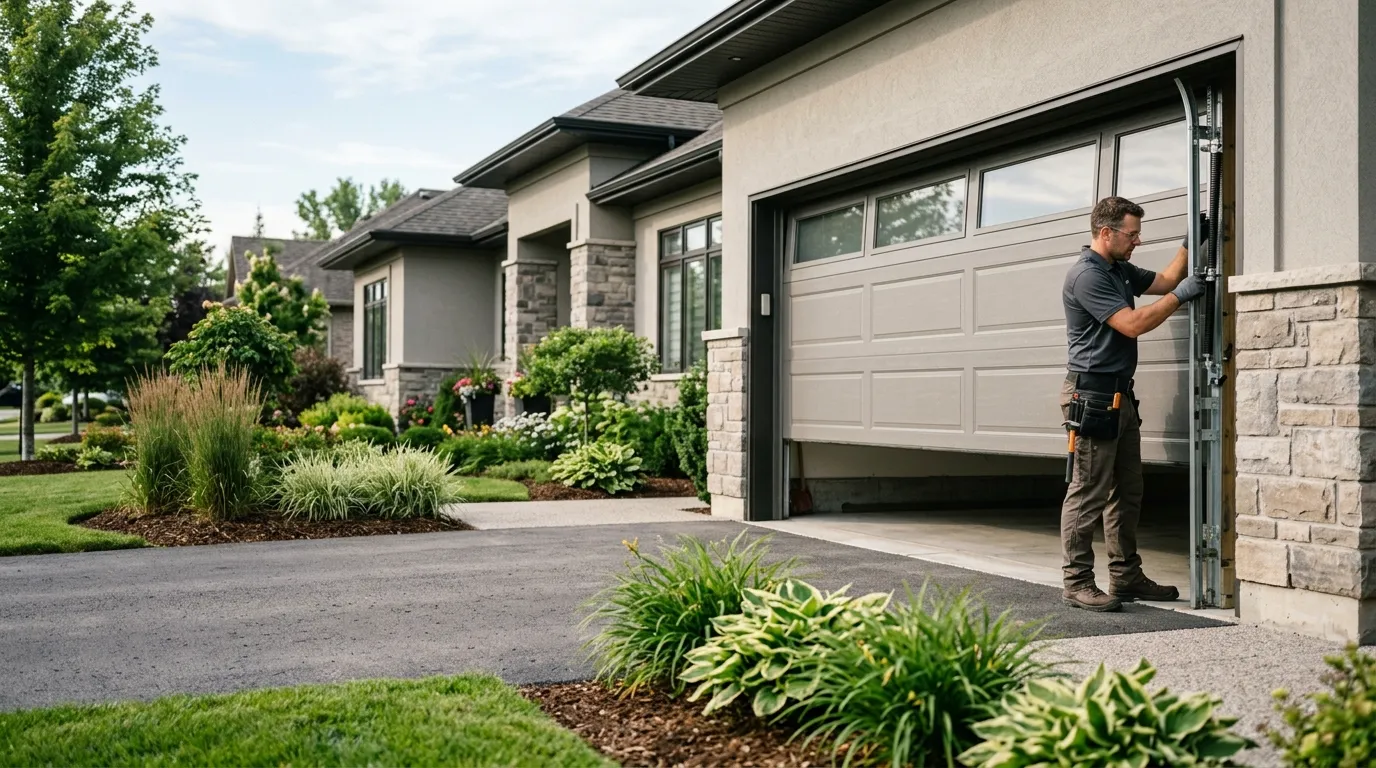
    Homer Glen only has about 8,001 households, so we're not driving past three roller jobs on the way to yours - we're making one trip out from Naperville, roughly 15 miles, to do the one door that needs it. We bring steel rollers, hardware for steel track, and torsion spring sockets in case wear has chewed at the bracket too.

  2. Pull the door off track section by section

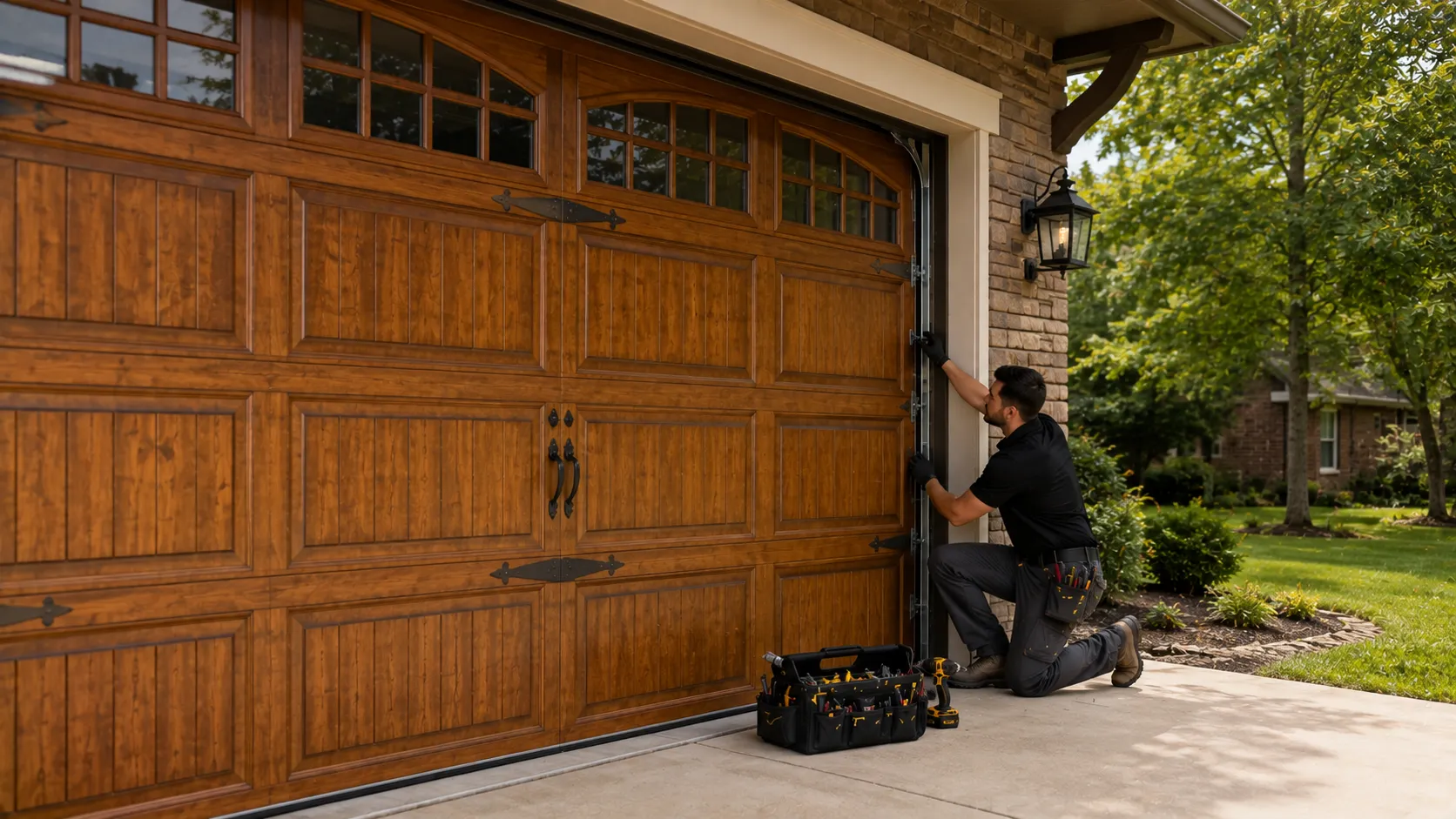
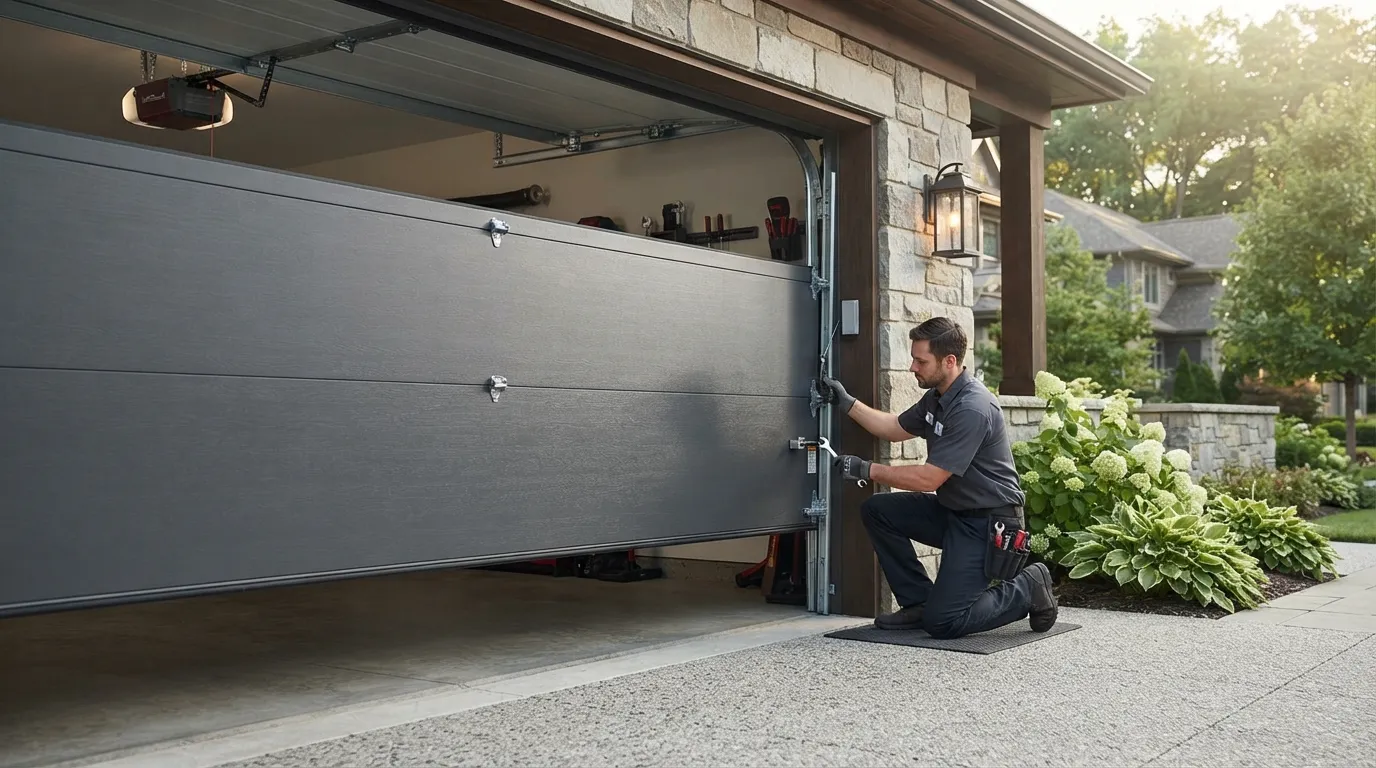
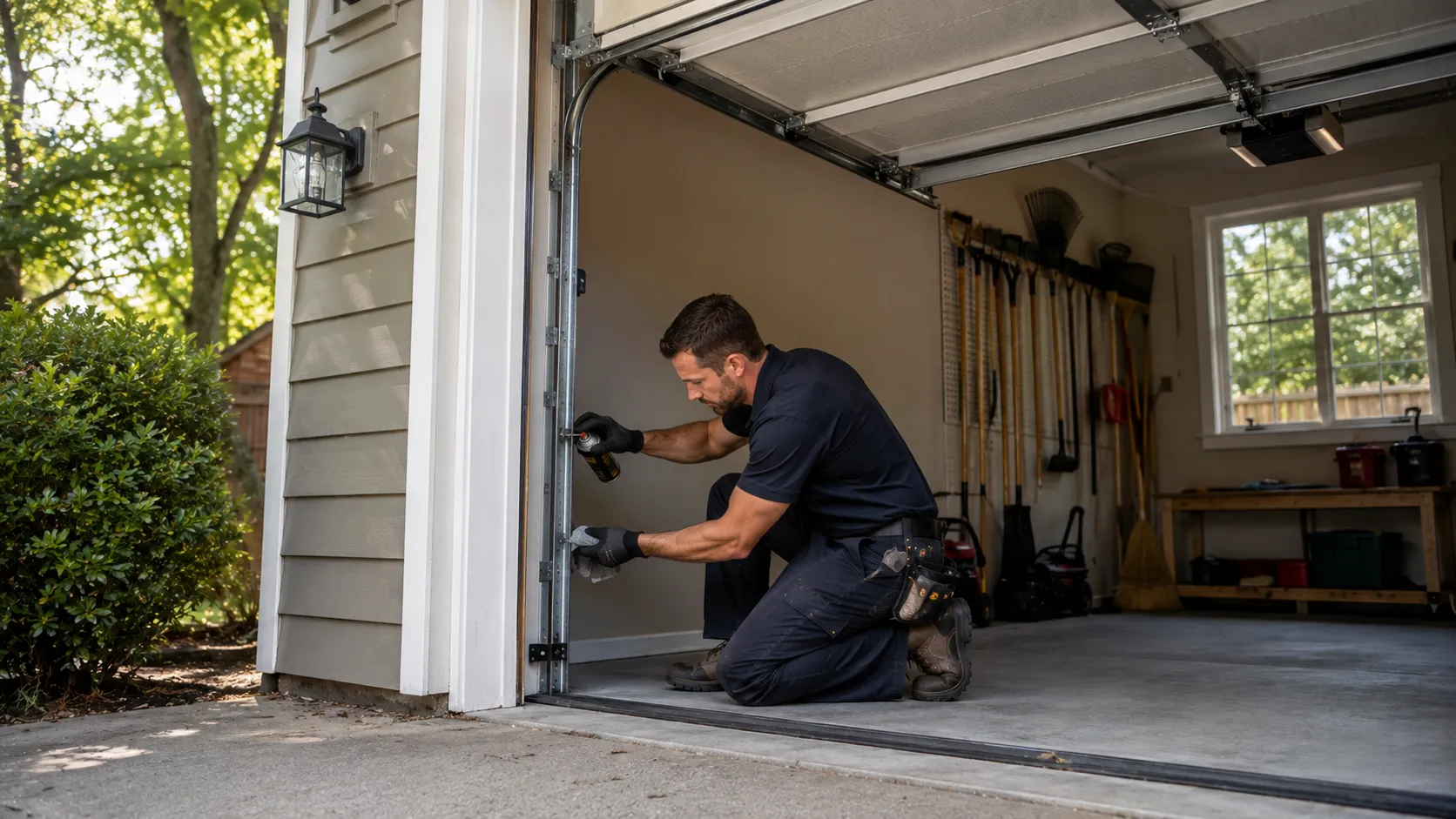
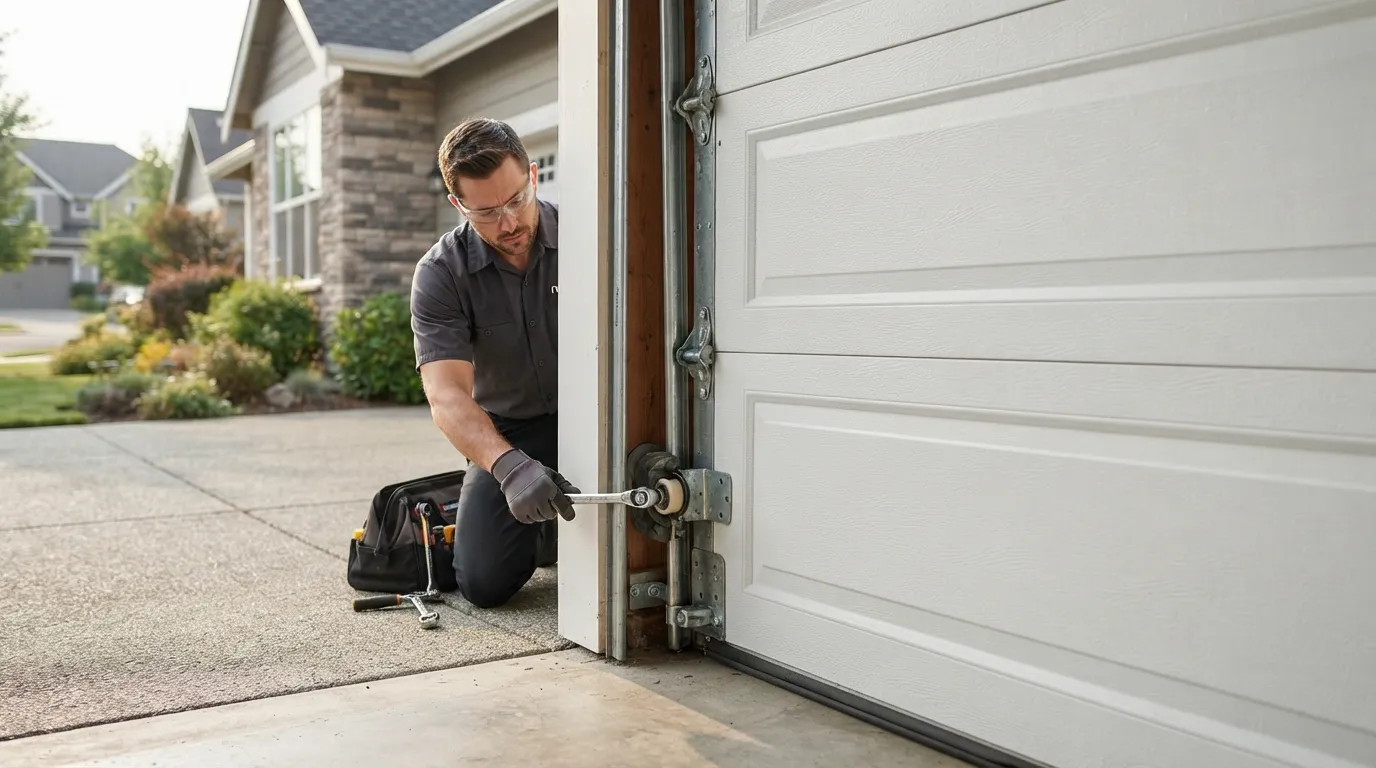
    Once we're on site, we pull the door off the track section by section and swap the worn rollers. We check the track for the flaring or dents that bad rollers cause over years of grinding against the same spot before reassembling anything.

  3. True or replace a bent track

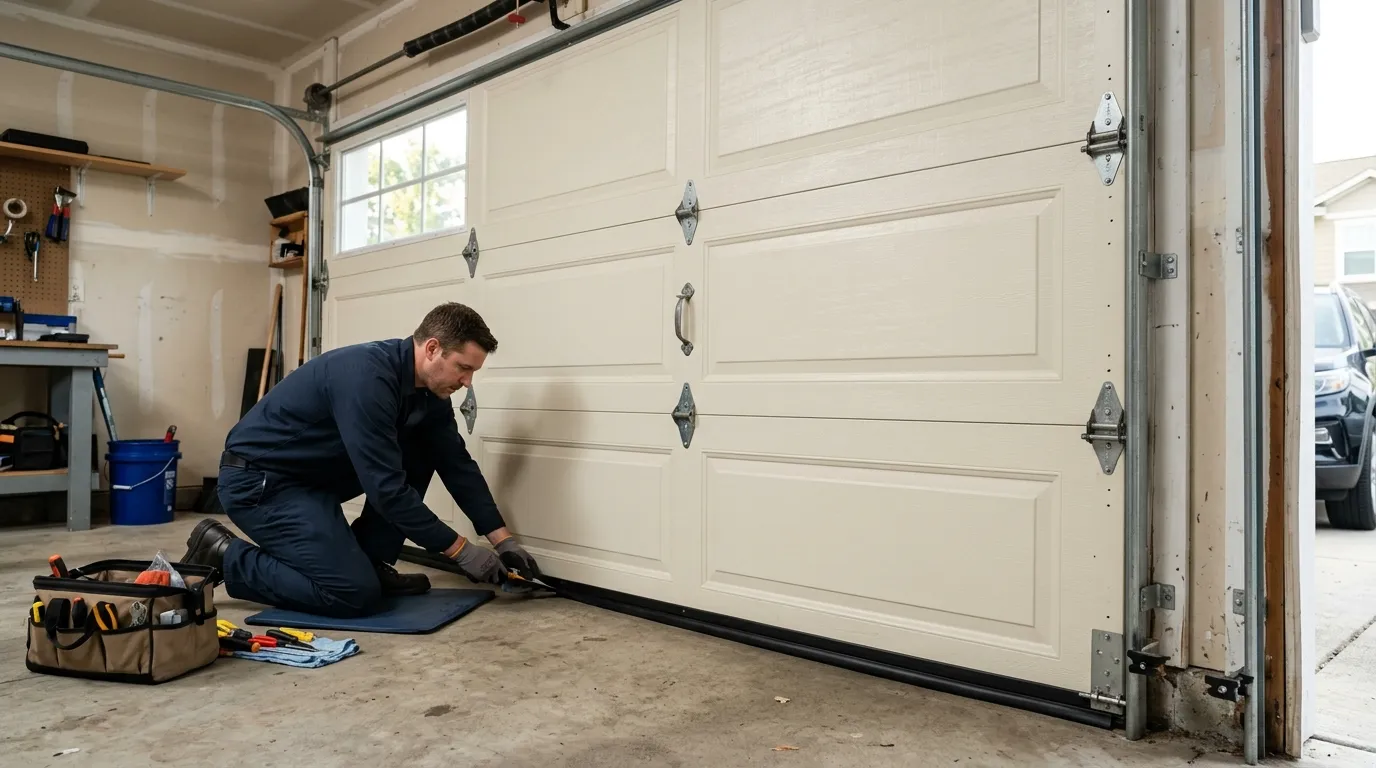
    If the track itself is bent from the wear, we true it or replace that section - a new roller on a warped track just wears out again in a year. We run the door up and down a dozen times before we call the job done.

  4. Replace only what's actually failing

    We don't push a whole new door on a homeowner because a $12 roller is worn - if the roller is the only failure, the roller is what we replace, and we'll say so plainly rather than pad the invoice.

Warning signs

How It Shows Up

A door with worn rollers doesn't fail all at once - it gets loud, then jerky, then cold weather finishes the job. Here's the pattern we see most often on Homer Glen's late-1980s doors, from first noise to full stall.

Grinding or clicking noise first

A door with worn rollers doesn't fail all at once. It gets loud first - a grinding or clicking sound as the roller flat-spots and stops rolling clean through the track - then it gets jerky, catching at the same point on the way up or down, usually where the curved section of track meets the vertical run.

Cold weather seizes cracked rollers

Cold makes it worse. This area sits in a moderate-cold climate band, and when temperatures drop, plastic or nylon rollers that have already started to crack lose what flexibility they had left. That's when a door that was merely noisy in October stalls halfway up in January.

One roller often means the set is close behind

If you're hearing a rhythmic thud as the door moves, that's often one roller, not the whole set - but by the time one has failed, the others on that door have usually put in the same miles.

On the truck

Parts We Carry

For a house built in the 1988 range, roller replacement usually means parts we already carry - steel or nylon rollers, matching track, and mounting hardware. Here's what's standard, and where an odd size means a short wait.

Steel and nylon rollers with bearings

For a house built in the 1988 range, the standard setup is steel rollers running in steel track, sometimes upgraded later to nylon by a previous repair. We carry both, plus the stems and bearings that go with them, so we're not guessing which one your door takes when we show up.

Replacement track and mounting brackets

We also carry replacement track sections, because a roller that's been grinding for months usually leaves a mark on the track itself, and putting a fresh roller into a damaged track just buys you a few more months before it's back to grinding. If the bracket that holds the roller has worn its mounting holes oval, we carry those too.

Odd sizes need a special order

What we don't stock on the truck is anything custom - odd-sized rollers for a non-standard door width, or parts for a door that's been retrofitted with hardware outside the normal residential range. Those get ordered, which adds a day or two. It doesn't happen often on a house from this build era, but it happens.

Booking

Booking a Visit

We're not based in Homer Glen - we run out of Naperville, about 15 miles off - so a roller job here gets booked as a scheduled visit rather than a same-hour drop-in. Tell us what you're hearing (grinding, catching, a specific loud spot in the travel) and we'll bring the parts that match a door from the late-80s stock that's common in this area.

If you're not sure whether it's the rollers or something else - a bent track, a dying opener, a spring going soft - describe when the noise happens and whether the door still moves the full distance under its own power. That's usually enough to tell us what to load on the truck before we come out, which keeps us from making two trips for one door.

Booking a Visit
What Causes It Around Here

Local causes

What Causes It Around Here

Homer Glen's median household income runs high for the area, around $128,546, and higher-income households in newer housing stock tend to have two-car, double-wide doors running heavier springs and more frequent daily cycles - two openings a day per car adds up fast over three decades. A door built around 1988 has had roughly 35 years to put miles on its original rollers, and steel rollers on steel track, while durable, aren't silent runners once they've worn past round.

The other factor is straight wear from cold. This area sits in a moderate-cold climate band, and repeated freeze-thaw cycles on a track mounted to an unheated garage wall cause tiny shifts in alignment year over year. A roller that's slightly misaligned works harder than one running true, and it shows up as noise and sticking long before it shows up as a full failure.

We don't see rust-driven roller failure here the way we might in a wetter climate - it's wear and cold-brittleness, not corrosion, that ends a roller's life in this area.
Questions

Common questions

Do you have a crew based in Homer Glen?

No. We work out of Naperville, about 15 miles away, and come out to Homer Glen for scheduled jobs. We don't claim a local branch or a guaranteed response window here - we book the visit and bring the parts a house from this area typically needs.

How do I know if it's the rollers and not the springs?

Rollers usually cause noise and a catching motion at the same spot in the travel, but the door still moves under power. A spring problem shows up as the door feeling heavy, refusing to stay open, or not moving much at all. If the door still runs but sounds rough, start by suspecting the rollers.

Will you replace just one roller or the whole set?

If only one is worn, we replace that one. Rollers on the same door usually wear at a similar rate though, since they carry similar loads, so if one has failed the others are often close behind. We'll tell you what we see on the door, not just push a full set by default.

Why does cold weather make roller noise worse?

This area sits in a moderate-cold climate band. Plastic and nylon rollers stiffen and can crack in low temperatures, and a roller that's already worn loses what flex it had left. A door that was just noisy in fall can stall or bind once winter sets in.

Ready when you are

Need a garage door sorted in Naperville?

Naperville Garage Door Pros repairs and installs garage doors, springs and openers in Naperville, IL and the surrounding area.

Call Now(331) 297-2514